
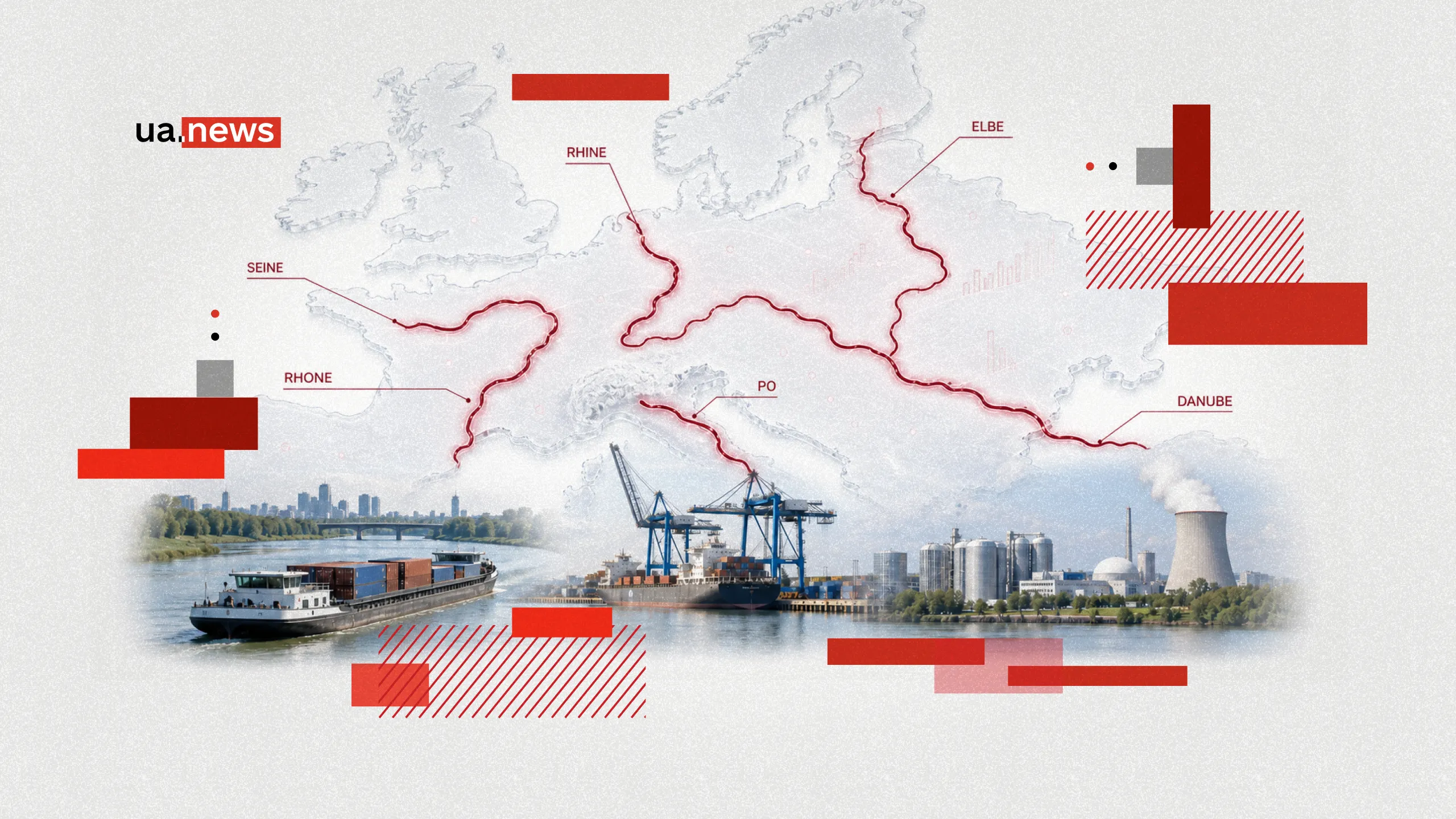
The European economy is usually described in terms of highways, railroads, seaports, power grids, and gas pipelines. However, in the summer of 2026, the continent was reminded of a much older form of infrastructure—the great rivers—without which much of modern industry cannot function properly.
Due to abnormal heat and a prolonged drought, water levels in the Danube dropped to critical levels. In Romania, the situation became so serious that on August 13, the operator was forced to shut down the last operating reactor at the Cernavodă Nuclear Power Plant: there was no longer enough water for the cooling system to function properly. The plant provides about one-fifth of the country’s electricity.
In neighboring Hungary, the Paks Nuclear Power Plant, which generates about half of Hungary’s electricity, had to reduce its output to nearly 10% in early August. As of August 13, it was operating at about a quarter of its capacity, and authorities were installing engineering structures directly in the Danube riverbed in an effort to raise the water level near the intakes.
The problems do not end there. Low water levels limit barge loading capacity, complicate the transport of grain, ore, fuel, and metals, reduce electricity production, and create water shortages for industry and agriculture. In August, the European Joint Research Centre explicitly stated that low water levels in the Danube and Rhine are simultaneously impacting transportation, hydropower, nuclear power generation, and the agricultural sector.
UA.News explains which major rivers the European economy actually depends on, what is transported along them, and which plants may feel the effects if the rivers continue to recede.
The Danube: The River Connecting Central Europe to the Black Sea
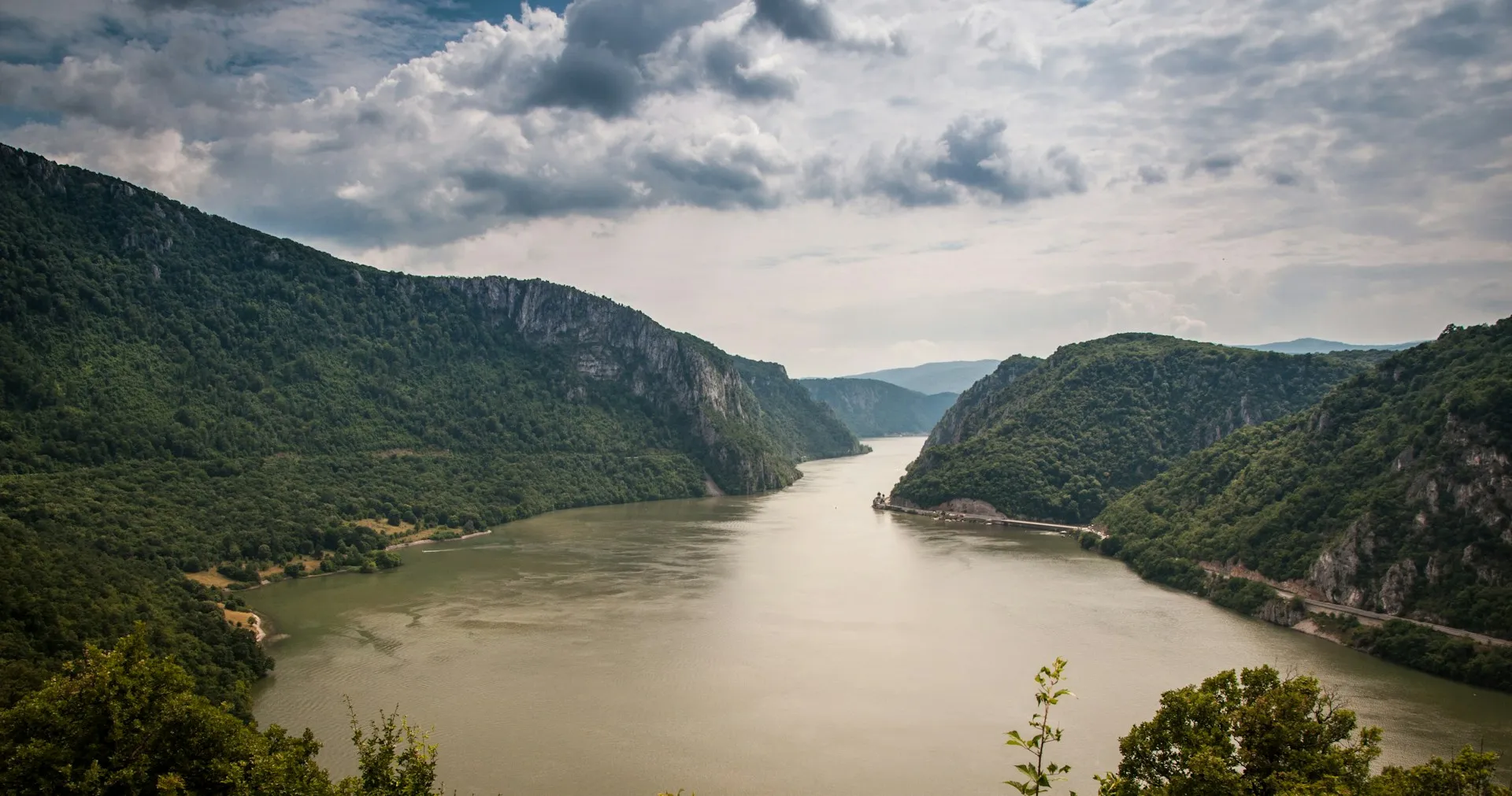
The Danube is essentially a transportation corridor that runs through the economic region from Germany and Austria to Romania, Bulgaria, and Ukraine. Together with the Main River and the Rhine-Main-Danube Canal, it forms part of the Rhine–Danube transport corridor, which the European Commission refers to as the main west-east transport axis of continental Europe. The corridor spans nine EU countries, as well as Serbia and Ukraine.
Grain, metal, iron ore, construction materials, petroleum products, and other bulk raw materials are transported along the Danube. For such cargo, barges offer a huge advantage: there’s no need to dispatch hundreds of trucks to transport the same volume. Agricultural products, ore and metals, petroleum products, and construction materials have traditionally accounted for a significant share of Danube cargo.
For Ukraine, the importance of the Danube has risen sharply since the start of the full-scale war. Izmail, Reni, and other ports on the Lower Danube have become an alternative export corridor for Ukrainian grain and for the import of essential goods. The Danube Commission emphasizes that following the suspension of the previous grain corridor, the role of the EU–Ukraine “Danube Solidarity Routes” has become even more important.
But transportation is only part of the story.
The Hungarian Paks Nuclear Power Plant is located on the Danube, and the Romanian Cernavodă plant is situated near the river and its tributaries. Both plants use Danube water for cooling. The four reactors at Paks account for approximately half of Hungary’s electricity production, while the two reactors at Cernavoda account for about 20% of Romania’s electricity generation.
In other words, a drop in the water level of a single river can simultaneously create problems for shipping, grain exports, the metallurgical industry, and the power sector in several countries.
The Rhine: Western Europe’s Main Industrial Lifeline
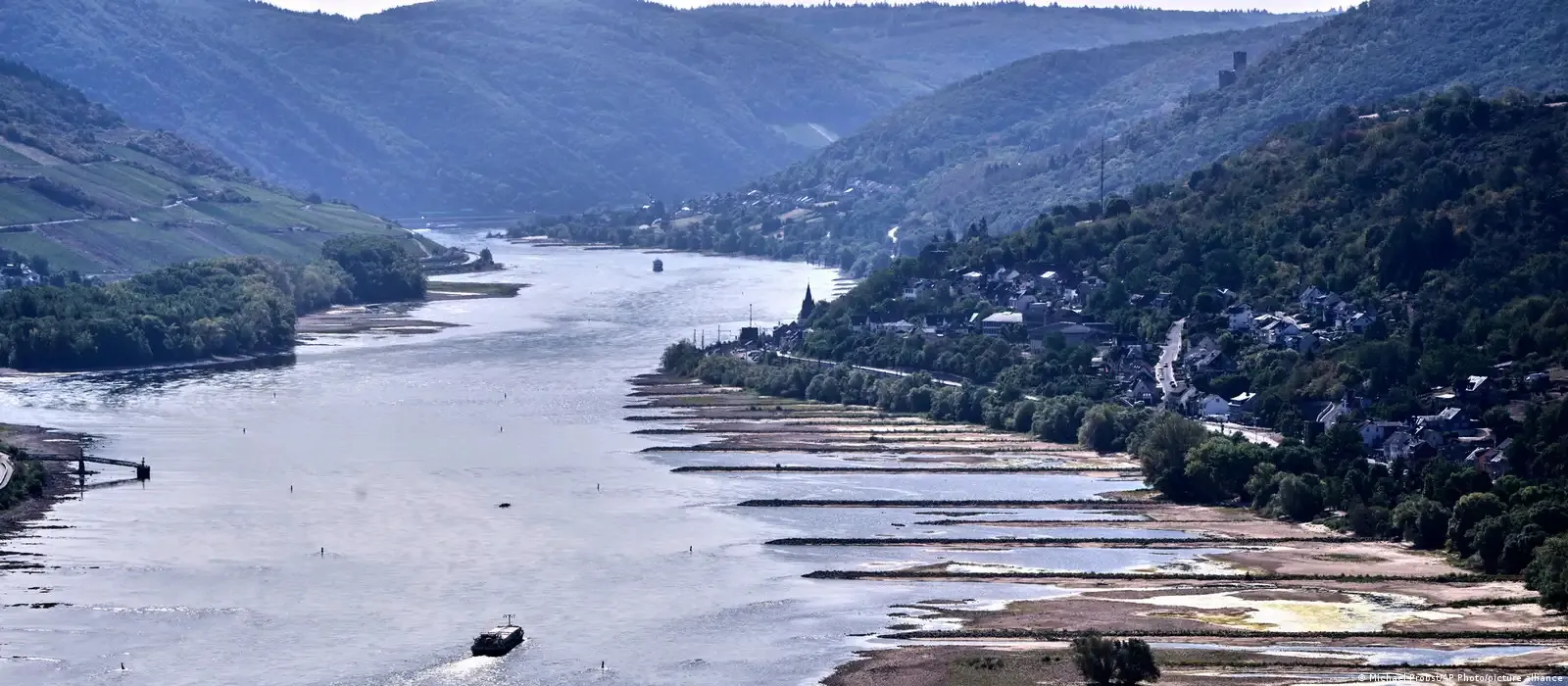
While the Danube can be called the main river of Central and Southeastern Europe, the Rhine is one of the cornerstones of the industrial model of Germany, the Netherlands, Switzerland, and parts of France.
In 2025, 281.9 million metric tons of cargo were transported on the Rhine, according to data from the Central Commission for Navigation on the Rhine. The main categories include petroleum products, chemicals, construction materials, coal, agricultural products, metals, iron ore, and containers.
The Rhine connects one of the world’s largest port clusters—Rotterdam and Antwerp—with the industrial regions of Germany and Switzerland. Raw materials arriving by sea from Brazil, Australia, the Middle East, or the United States can be transshipped onto river vessels and transported deep into the continent.
That is why huge factories have sprung up along the Rhine for decades.
One of the most striking examples is the BASF chemical complex in Ludwigshafen. The company explicitly calls the Rhine a vital artery: the river is needed not only for delivering raw materials and shipping products, but also as a source of process and cooling water.
Europe already saw just how great this dependence is in 2018. Due to extremely low water levels in the Rhine, BASF was unable to receive sufficient raw materials by ship and was forced to reduce production at its plants. According to the company’s own estimates, the problems with the Rhine reduced its profits that year by approximately 250 million euros.
BASF now even uses specially designed vessels capable of transporting cargo during periods of extremely low water levels. This is a good example of how the problem is no longer merely a theoretical one for industry.
Another major affected sector is the Ruhr metallurgical industry. Thyssenkrupp’s plants in Duisburg receive large volumes of raw materials via the river. A single tugboat can tow as many as six barges carrying materials for steel production.
Therefore, low water levels on the Rhine are no longer just a problem for shipping companies. They mean potentially more expensive ore, higher fuel costs, and more complex logistics for the chemical industry, metallurgy, and the automotive sector.
The Seine: From the Port of Le Havre to France’s Largest Consumer Market

Compared to the Rhine or the Danube, the Seine appears to be a less significant international transport artery. However, it plays a different role for the French economy: it connects Paris with the ports of Rouen and Le Havre.
These three hubs are now united under the HAROPA PORT system. Its economic zone encompasses approximately 25 million consumers—France’s largest consumer market and one of the largest in Europe.
Each year, more than 22 million metric tons of cargo are transported on the Seine, including about 200,000 TEU of containerized cargo. The river accounts for more than half of France’s domestic river transport.
Rouen is a major hub for grain exports, Le Havre for containers, petroleum products, and international maritime trade, while Paris consumes vast quantities of construction materials, food, and goods.
Therefore, the Seine serves as a sort of extension of the seaport into the interior of the country. When a container arrives from Asia at Le Havre, it does not necessarily have to be transported to Paris by truck—part of the cargo can be transferred to river transport.
For a metropolis with a population of millions, this means fewer trucks on the roads, cheaper transportation of heavy cargo, and direct access for the capital region to global maritime trade.
The Rhône: Water for France’s Nuclear Power Industry
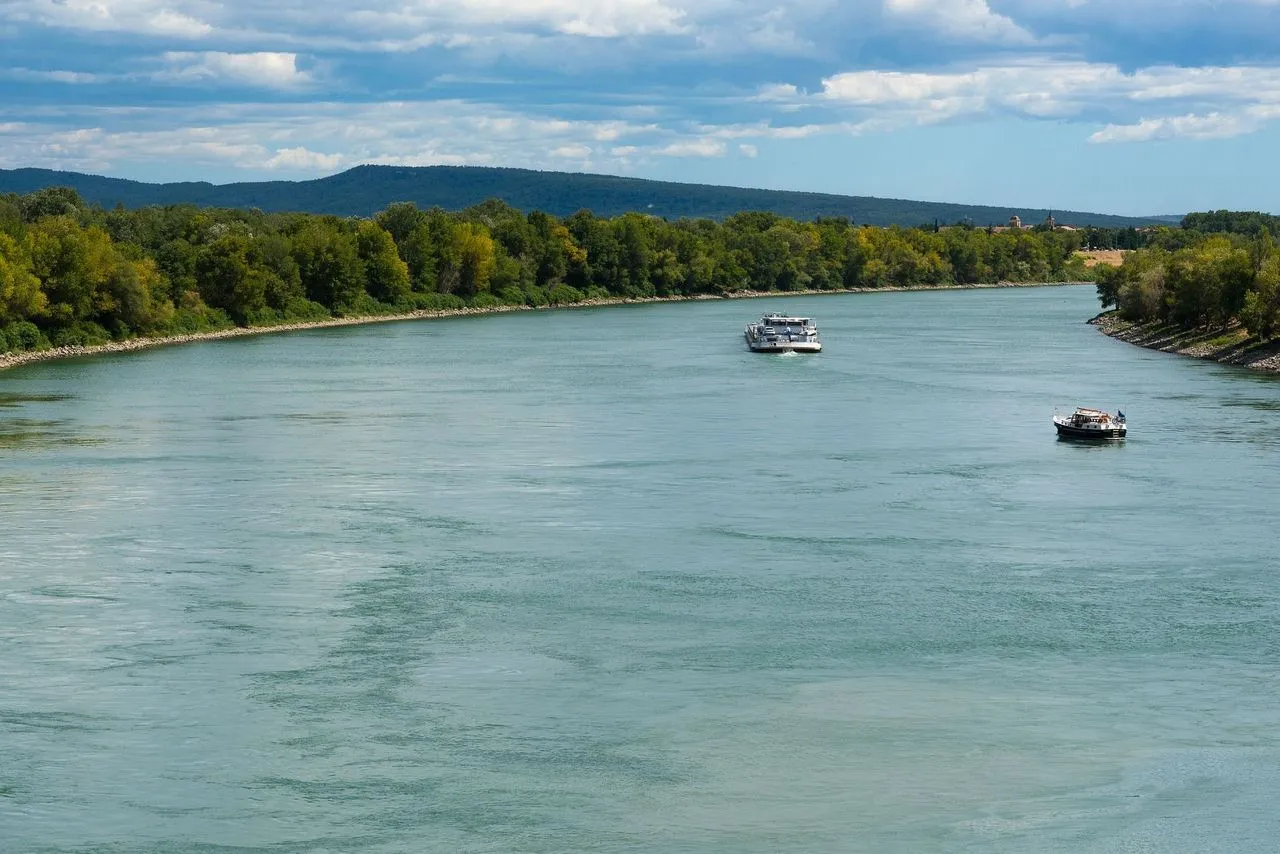
The Rhône plays a slightly different role. It is also used for transportation and flows through one of France’s most important industrial regions, but its special significance lies in energy.
The Rhône Valley is home to a whole cluster of large nuclear power plants. Among them are Bugey, Saint-Alban, Cruas-Meysse, and Tricastin. According to EDF, the four reactors at Tricastin alone have a combined capacity of 3.6 GW, Cruas-Meysse has another 3.6 GW, Saint-Alban has 2.6 GW, and Bugey has about 3.6 GW.
The dependence of French nuclear power generation on rivers is clearly evident during heat waves. The problem is not only the low water volume but also its temperature. If the river is already too warm, the power plant cannot indefinitely discharge even warmer water back into the river without violating environmental standards.
In August 2026, high temperatures and low water levels in French rivers had already forced EDF to reduce output at some of its reactors.
Thus, for France, the water problem is also becoming a matter of the stability of Europe’s largest nuclear power system.
The Po: The River on Which Italy’s Food Supply Depends
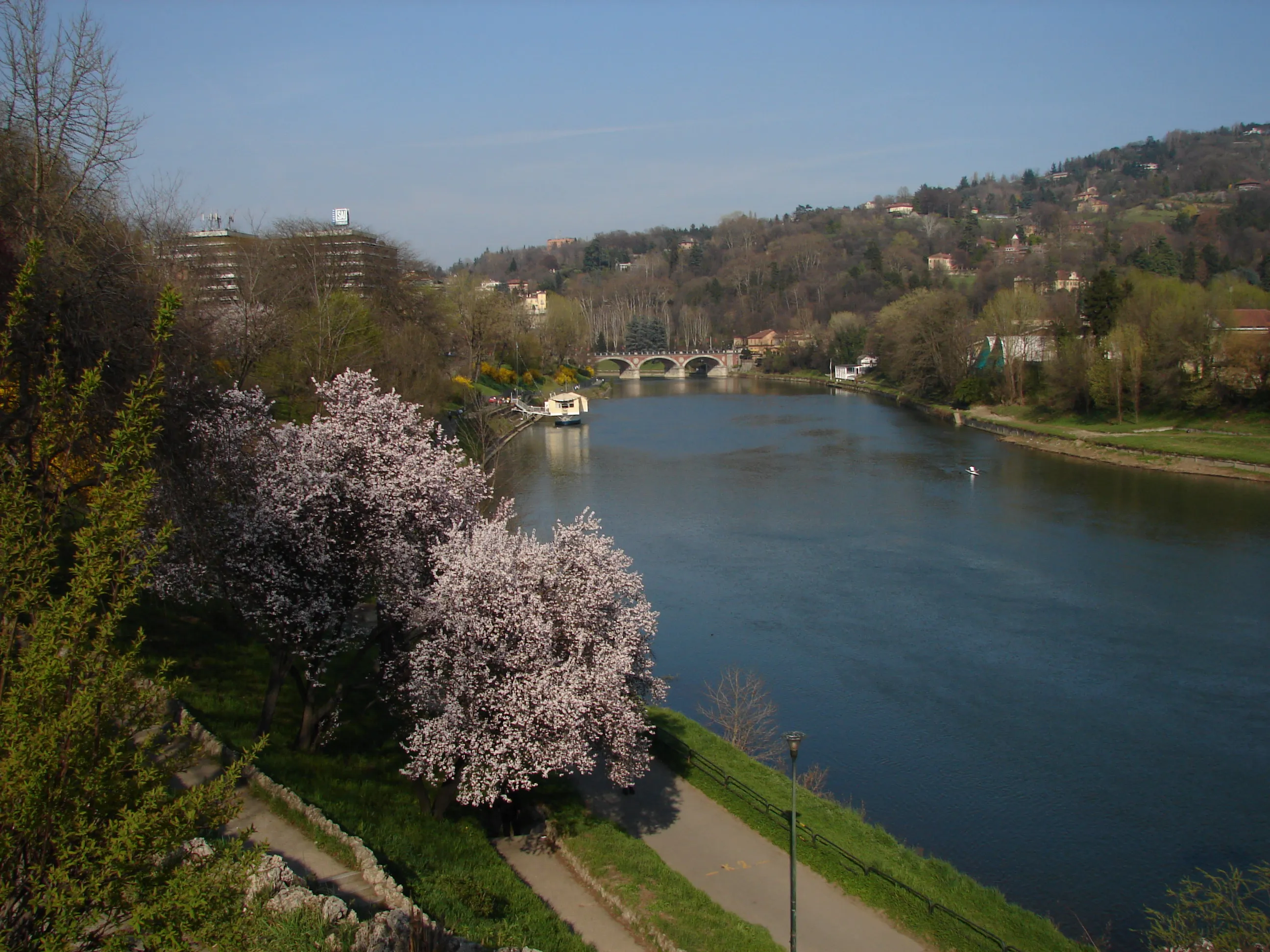
The Italian Po is a different kind of economic lifeline. It is not a second Rhine in terms of the scale of international shipping, but the Po basin is the heart of agrarian and industrial Northern Italy.
This is where the Po Valley is located—one of Europe’s most productive agricultural regions. The river system supplies water to fields of corn, rice, wheat, and forage crops, as well as to orchards and livestock farms.
At the same time, the north of the country is Italy’s main industrial belt—comprising Lombardy, Piedmont, Veneto, and Emilia-Romagna. Therefore, the drought in the Po River basin has a dual impact: farmers are losing water for irrigation, and the energy sector is losing opportunities to generate hydroelectric power.
Even during the severe drought of 2022, the European Commission warned that low water levels in the Po River threatened crops and electricity production. In August 2026, the JRC again recorded severe hydrological stress in the river basin.
For Italy, the Po’s low water levels pose, above all, the risk of higher food prices, lower crop yields, problems with hydropower, and competition among cities, industry, and farmers for the same resource.
The Elbe: Central Europe’s Gateway to Hamburg
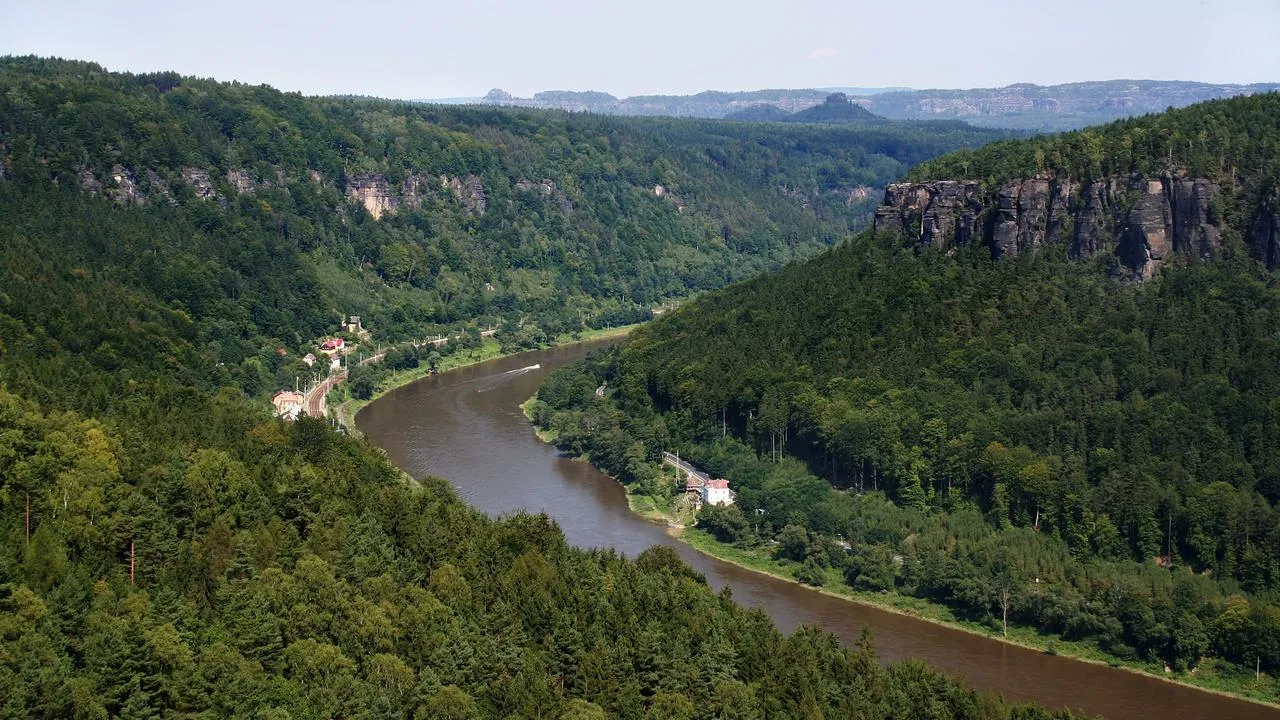
The Elbe lags significantly behind the Rhine in terms of river freight volumes, but it is of great geographical importance. It connects the Czech Republic and the eastern regions of Germany with Hamburg—one of Europe’s largest seaports.
From Hamburg, cargo ships can travel up the Elbe to Magdeburg, Dresden, and on to the Czech cities of Děčín, Ústí nad Labem, and Lovosice.
For the Czech Republic, this is effectively a natural transport route to the North Sea. That is why Prague and Berlin have been negotiating for years to maintain navigation and the necessary depth of the Elbe.
This route can be used to transport industrial equipment, fertilizers, raw materials, large-scale structures, and other cargo for which river transport is often cheaper or more technically convenient than road transport.
However, the Elbe is particularly sensitive to water levels. When the water level drops, its role as a fully-fledged transport corridor is drastically reduced, and some cargo is diverted to the already congested road and rail networks.
Why a Few Centimeters of Water Can Cost the Economy Millions
The main problem with European rivers is not even that they might become completely unnavigable. For the economy, the problems begin much earlier.
A barge is designed for a specific draft. When a river becomes shallower, the vessel simply carries less cargo. As a result, instead of one fully loaded barge, two or three are needed. The cost per metric ton of cargo increases.
BASF explains that when water levels on the Rhine are low, the cargo capacity of vessels must be reduced, and more ships are needed to transport the same volume.
This effect ripples further down the supply chain. More expensive ore shipments mean additional costs for the steel industry. More expensive chemical components mean higher costs for the automotive, pharmaceutical, and construction sectors. A shortage of water for cooling power plants leads to higher electricity prices. Less water for farmers means lower crop yields.
That is precisely why hundreds of millions of metric tons of goods are still transported via river shipping in the EU. According to Eurostat, 473 million metric tons of cargo were transported via the EU’s inland waterways in 2024. The most significant cargoes are ore and other mineral raw materials, as well as coke and petroleum products.
Europe May Face a New Type of Infrastructure Crisis
For decades, European industry was built along rivers precisely because water served multiple purposes. It was used to transport heavy cargoes at low cost, cool factories and power plants, support industrial processes, irrigate fields, and generate electricity.
Now this advantage is gradually turning into a risk.
The Rhine is essential for BASF, the steel mills of the Ruhr, and the ports of the Netherlands. The Danube is vital for the nuclear power sectors of Hungary and Romania, agricultural exports from Central and Eastern Europe, and, in particular, Ukrainian logistics. The Rhône is vital for French nuclear power generation. The Po is vital for agriculture and energy in Northern Italy. The Seine is vital for Paris’s logistics and France’s foreign trade corridor. The Elbe connects the Czech Republic and eastern Germany with Hamburg.
The worst-case scenario for Europe is not the disappearance of any single river, but simultaneous droughts in several major river basins.
This is precisely what is happening, in part, in the summer of 2026: critically low water levels are observed simultaneously on the Danube and the Rhine, the Po basin is under severe strain, and France is limiting part of its electricity production due to high temperatures and water shortages.
In such a situation, the problem can no longer be simply solved by shifting cargo from barges to trains or trucks. Railways and roads have limited capacity, and it is impossible to “move” a nuclear power plant away from a river that has run dry.
Therefore, in the coming decades, European rivers may become just as much a matter of economic security as power grids, seaports, or gas pipelines. As long as there is enough water, they go almost unnoticed. But a drop of just a few centimeters in water level at the right spot can stop barges, reduce a factory’s output, or take an entire nuclear power plant offline.


