
Von der Leyen announced new energy cooperation between the EU and the Middle East
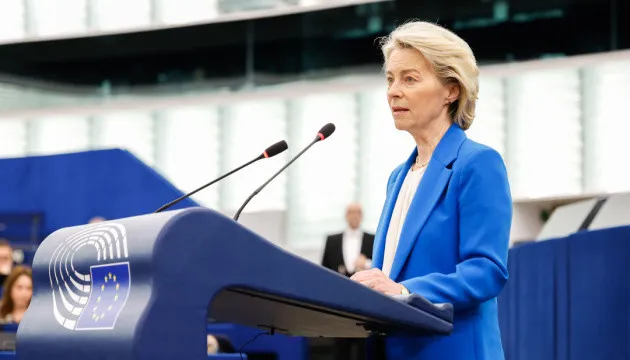
The European Union is ready to expand cooperation with the Gulf states to make energy supplies more stable and less vulnerable to wars and crises. Brussels is proposing new joint projects and the development of alternative routes. The idea is also linked to major geo-economic projects between Europe, Asia, and the Middle East. Von der Leyen made this statement following an informal meeting of EU leaders in the Cypriot capital.
The European Union is considering a new phase of energy cooperation with the Gulf countries, focusing on diversifying energy supplies and reducing dependence on unstable routes. Ursula von der Leyen emphasized that modern energy is already directly linked to security, and any threats at key trade hubs could have consequences for Europe’s economy.
“Our security is not merely linked; it is inextricably linked. A threat to a merchant ship in the Strait of Hormuz is a threat to a factory in Belgium,” von der Leyen stated. According to her, the EU is ready not only to purchase energy resources but also to help countries in the region develop their own infrastructure and restore damaged energy facilities.
She paid special attention to the IMEC economic corridor project, which is intended to connect India, the Middle East, and Europe. This route is viewed as one of the key future logistics and trade routes.
Von der Leyen emphasized that the European Union is ready to work with partners in the Persian Gulf to create alternative routes for energy exports so that they do not depend on a single narrow route, particularly the Strait of Hormuz. “We are ready to join forces to diversify export infrastructure and reduce dependence on risky regions,” she added.
In this way, the EU is seeking to simultaneously strengthen energy security and expand global economic ties that could serve as an alternative to traditional supply routes.
Estonia proposes introducing a special tax on Russian goods in the EU and directing the proceeds toward Ukraine’s reconstruction. The initiative is already being discussed among European leaders, but no decision has been made yet.
