
Inside eMerge Americas 2026: How Miami Is Redefining the Global Innovation Landscape
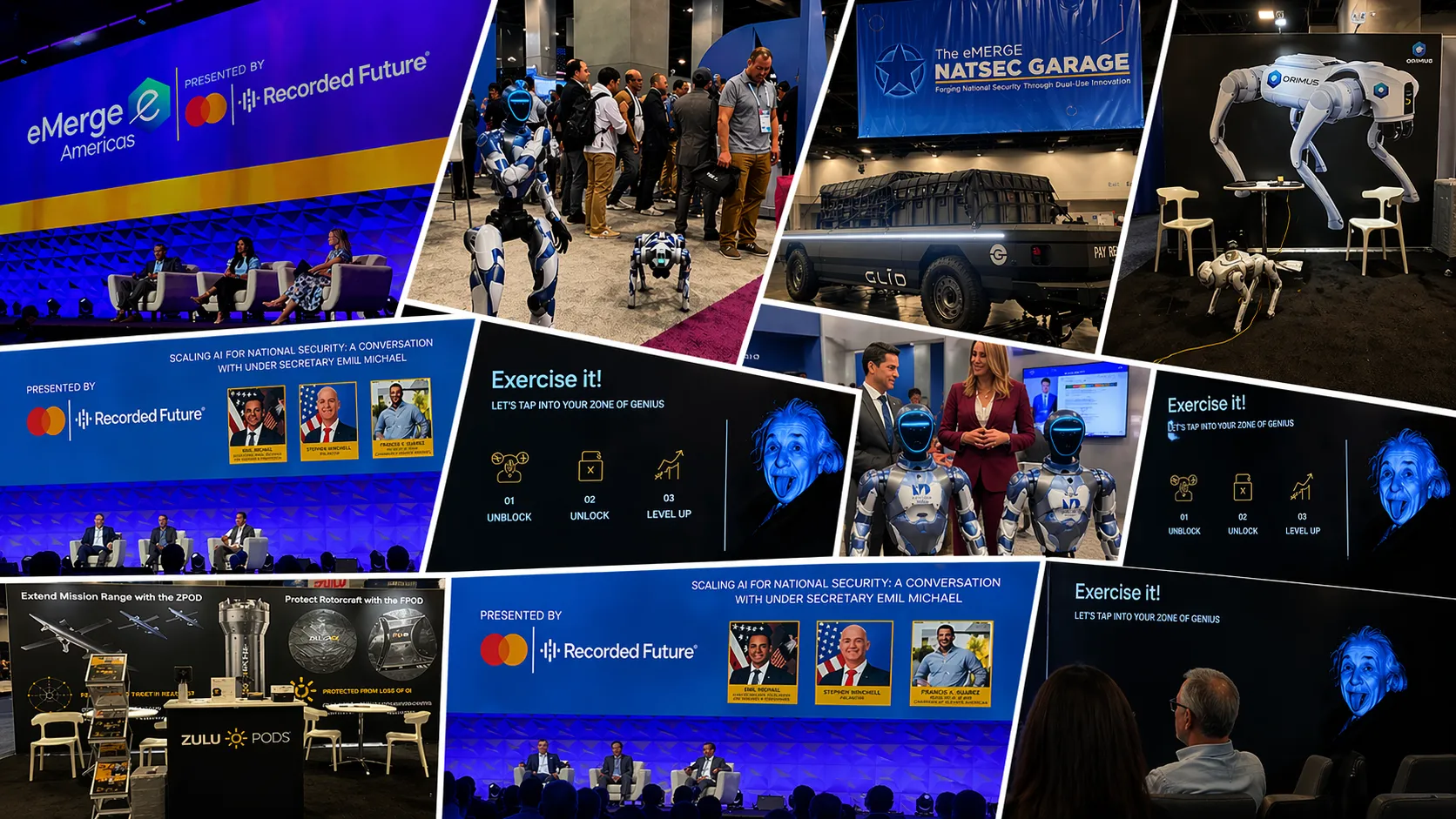
There are tech conferences, and then there are moments when entire ecosystems seem to crystallize into something tangible—something you can walk through, touch, question, and even challenge. This year’s eMerge Americas 2026 in Miami was exactly such a moment.
Held at the Miami Beach Convention Center, the event once again brought together over 20,000 innovators, investors, founders, policymakers, and engineers from more than 60 countries. But beyond the numbers, something deeper stood out: a decisive shift from talking about the future to actively creating it in real time.
As a special correspondent for UA.NEWS, I walked through the exhibition space, attended key presentations, spoke with founders, and—perhaps most importantly—witnessed how ideas are no longer isolated experiments but are becoming interconnected systems that shape global industries.
Miami as a Global Hub for Tech Leadership

For years, Miami has been described as a “developing city” in terms of technology. At eMerge Americas 2026, that description already seemed outdated.
The city is no longer developing—it is consolidating its influence.
The conference positioned itself at the intersection of four dominant trends: artificial intelligence, national security, healthtech, and fintech. These are not random categories—they form the foundation of geopolitical and economic influence in the 21st century.
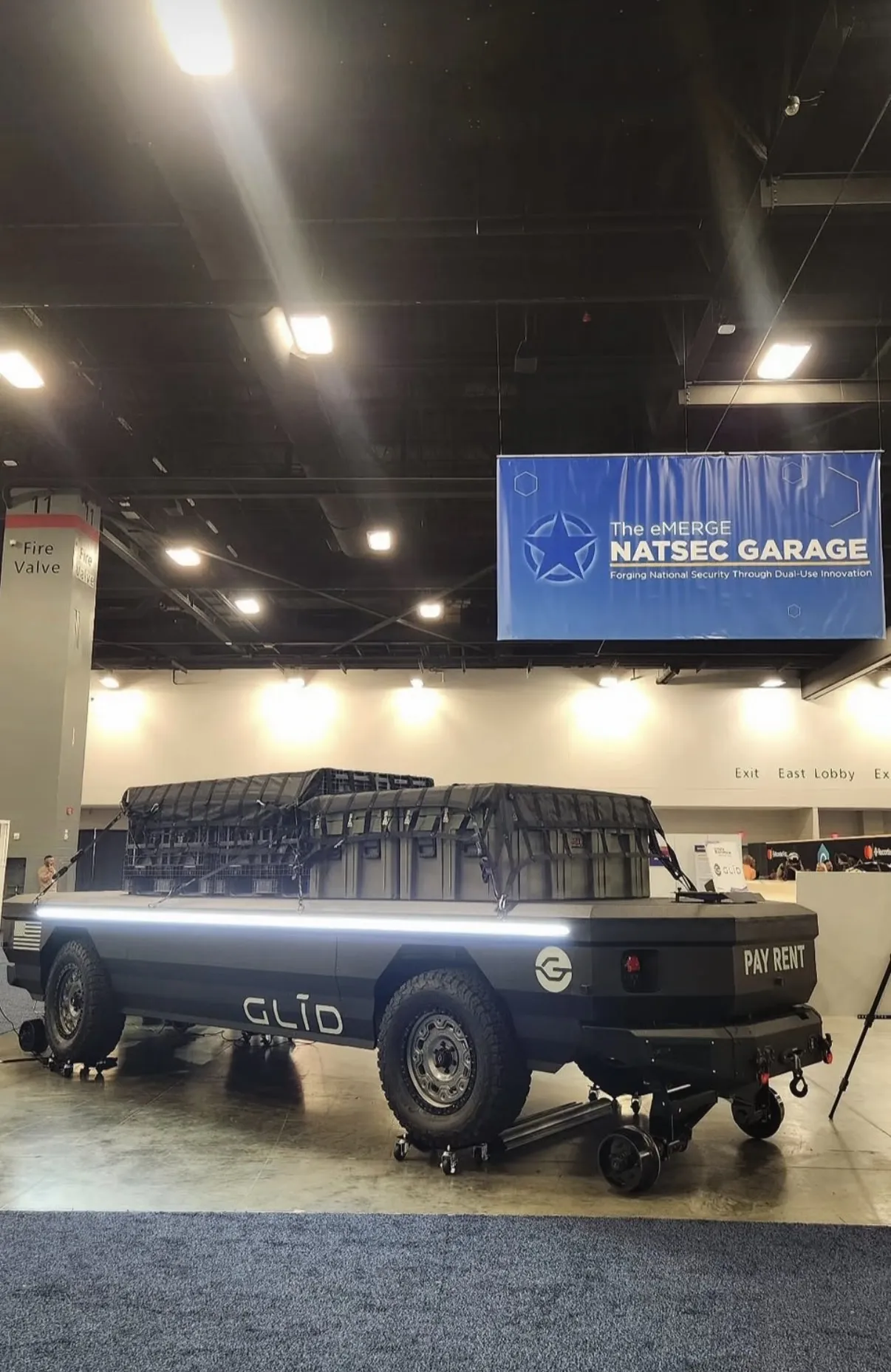
One of the key panel discussions featuring representatives from the U.S. defense sector emphasized that artificial intelligence is transitioning from experimental pilots to critical infrastructure in national security operations. This in itself signals a fundamental shift: technology is no longer just a market—it is a strategy.
From my perspective on the ground, Miami occupies a unique position. It serves as a bridge—between North and Latin America, between capital and talent, between startups and institutions.
The AI Boom—From Concept to Implementation
Artificial intelligence dominated nearly every conversation, panel, and demonstration.
But, unlike in previous years, the tone has shifted.
This time, the focus wasn’t on “what AI could become.”
It was about what AI is already doing—at scale.
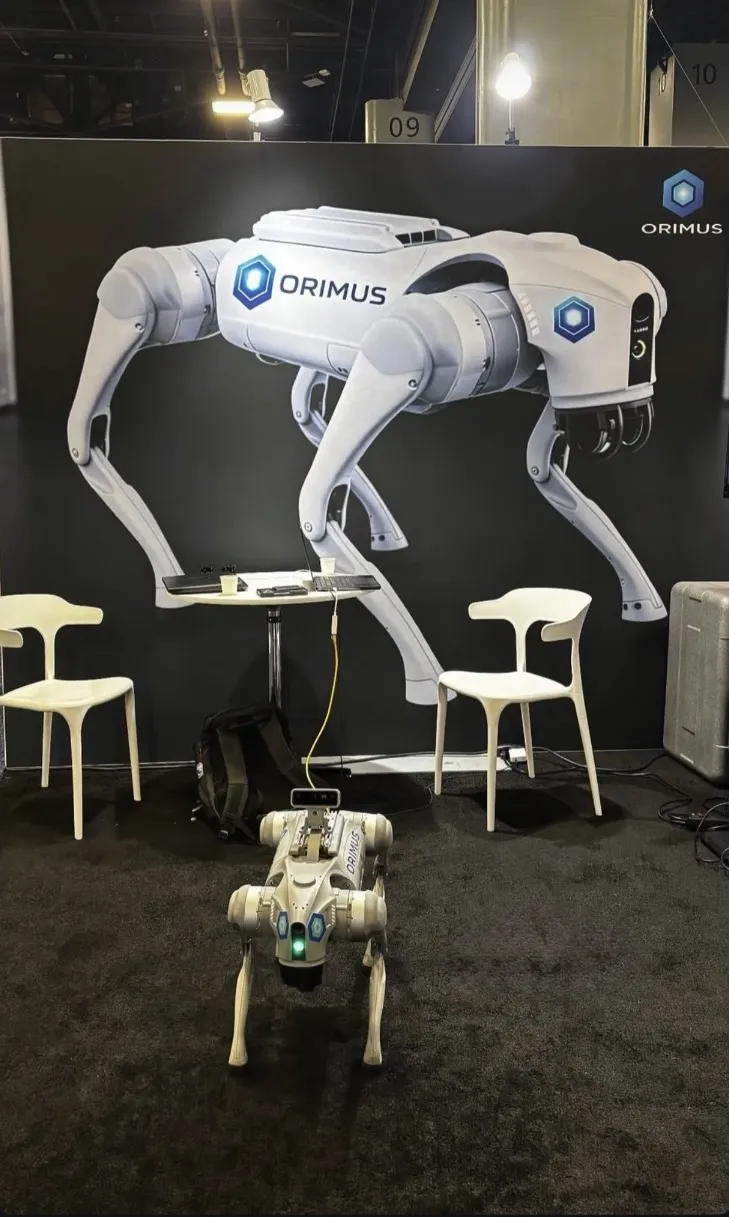
A dedicated AI + Quantum pavilion showcased real-world implementations—from predictive models in medicine to autonomous decision-making systems in finance and logistics. Meanwhile, workshops explored the integration of quantum computing and next-generation architecture, signaling that even today’s breakthroughs in AI may soon seem primitive.
A particularly striking moment: defense-grade AI
One of the most striking discussions concerned the integration of artificial intelligence into government operational systems. The focus was not on theory, but on execution—speed, scalability, and integration between systems.
From a journalistic perspective, this raises an important question:
Are we entering an era where technological leadership determines geopolitical dominance more than traditional military power?
At eMerge, the answer increasingly leaned toward “yes.”
Startup Alley: Where the Future Is Still Unwritten
If the keynote speeches symbolized power, then Startup Alley symbolized opportunity.

Over 100 startups participated in the global accelerator and exhibition, competing for investment, partnerships, and attention. Walking through this space, you feel the raw edge of innovation—imperfect, ambitious, and often disruptive.
One project that stood out: real-time AI infrastructure
Among dozens of presentations, one category kept recurring:
tools that don’t just use AI—they enable its scaling.
I spoke with founders building platforms that allow companies to deploy machine learning models across different environments instantly—from the cloud to edge devices. These systems solve one of AI’s biggest challenges today: not the intelligence itself, but integration.
The implications are massive:
- Companies can deploy AI in hours instead of months
- Real-time decision-making is becoming the norm
- Entire industries—from finance to medicine—are shifting to live data
From my perspective, this is where the real transformation is taking place. Not in flashy demonstrations, but in the invisible infrastructure.
Fintech and cybersecurity: the invisible foundation
Another key highlight was the collaboration among global players, who presented interactive solutions in the fields of financial infrastructure and cybersecurity.
What stood out here was not just innovation—but urgency.
As digital economies expand, the attack surface grows exponentially. The main message from industry leaders was clear:
Innovation without security is not progress, but vulnerability.
The exhibition demonstrated how AI is used not only to optimize financial systems but also to predict and prevent cyberattacks in real time.
HealthTech: Rethinking Medicine Through Data
At the HealthTech Innovation Hub, the conversation took on a more human tone—but was no less complex.
Here, AI is used to:
- Personalizing treatment
- Predicting disease progression
- Improving the patient experience at scale
The integration of medicine with AI, finance, and policy—all under one roof—has revealed an important truth:
modern innovation no longer exists within the confines of a single industry.
Education and innovation: a look into the future of talent
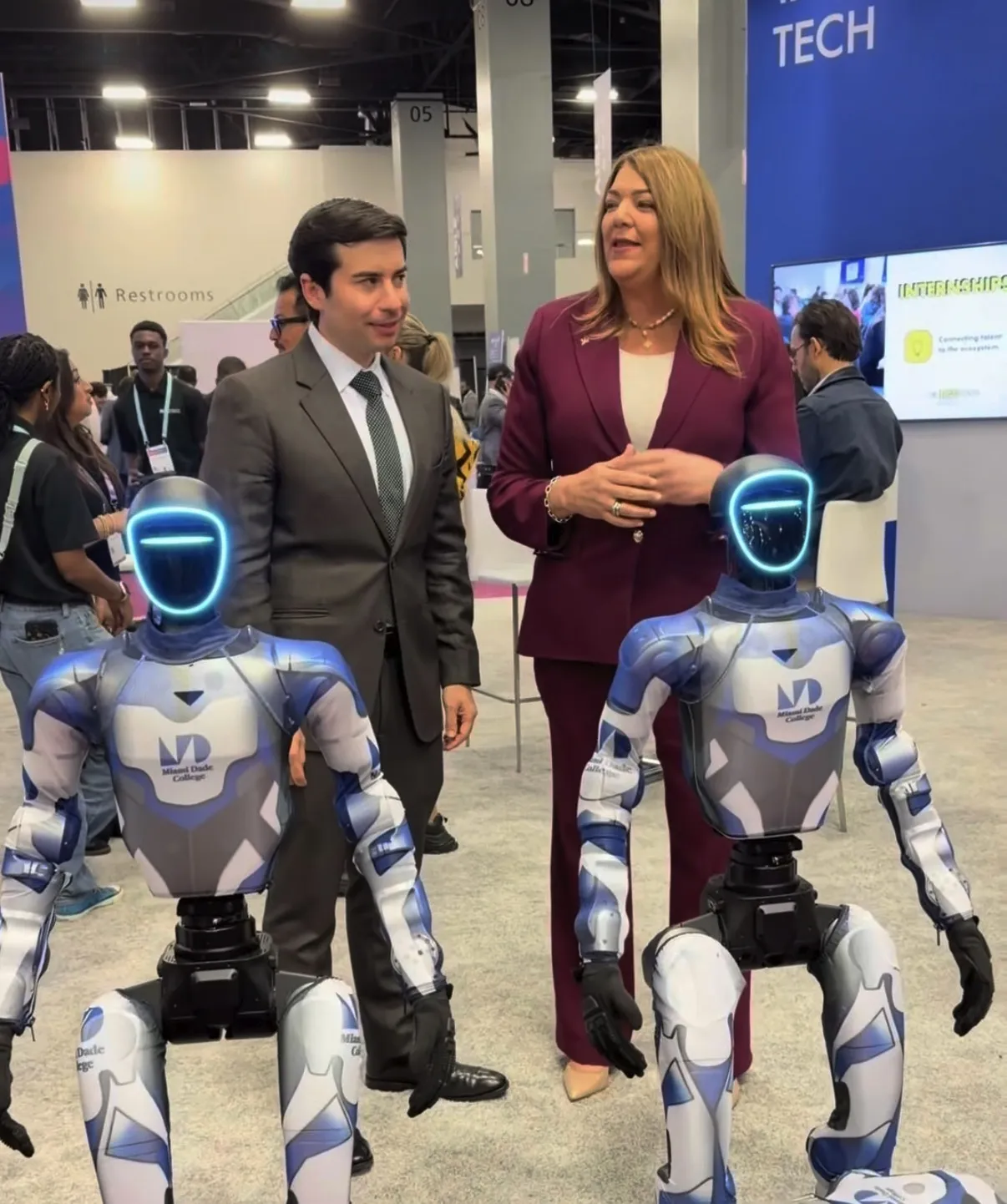
One of the most unexpected highlights was the interactive exhibition by Miami Dade College.
Visitors could test a Formula 1 simulator with real-time analytics, which demonstrated how cutting-edge technologies are integrated into education.
For me, it was more than a demonstration.
It was a reminder: innovation isn’t just about products—it’s about people.
The next generation of engineers, analysts, and founders is already taking shape within these systems.
The Big Picture: From Ecosystem to Infrastructure
Walking through eMerge Americas, one thing became clear.
This is no longer just a conference.
It’s an operating system for innovation.
- Startups are raising capital
- Governments are aligning with business
- Companies are testing and implementing technologies
- New talent is emerging
In other words, eMerge doesn’t just reflect the tech world—it shapes it.
Personal reflection: a journalist inside the system
Moving between panels, startups, and closed-door meetings, one realization never left me:
We are living in a moment of transition.
The era of isolated innovation is over.
We have entered the era of systemic innovation.
From a personal perspective, this changes the very understanding of progress.
It is no longer about who will create the best product.
It is about who will create the most effective system.
Conclusion: Why eMerge Americas Matters
eMerge Americas is often called the premier tech conference in the Americas—and after attending, that sounds entirely justified.
But its true significance runs deeper.
It’s a signal.
A signal that:
- AI is no longer an experiment—it’s the foundation
- Innovation is no longer isolated—it’s collaborative
- Cities like Miami are no longer on the periphery—they are the center
And perhaps most importantly:
the future isn’t what we’re waiting for.
It is what we are creating right now.




