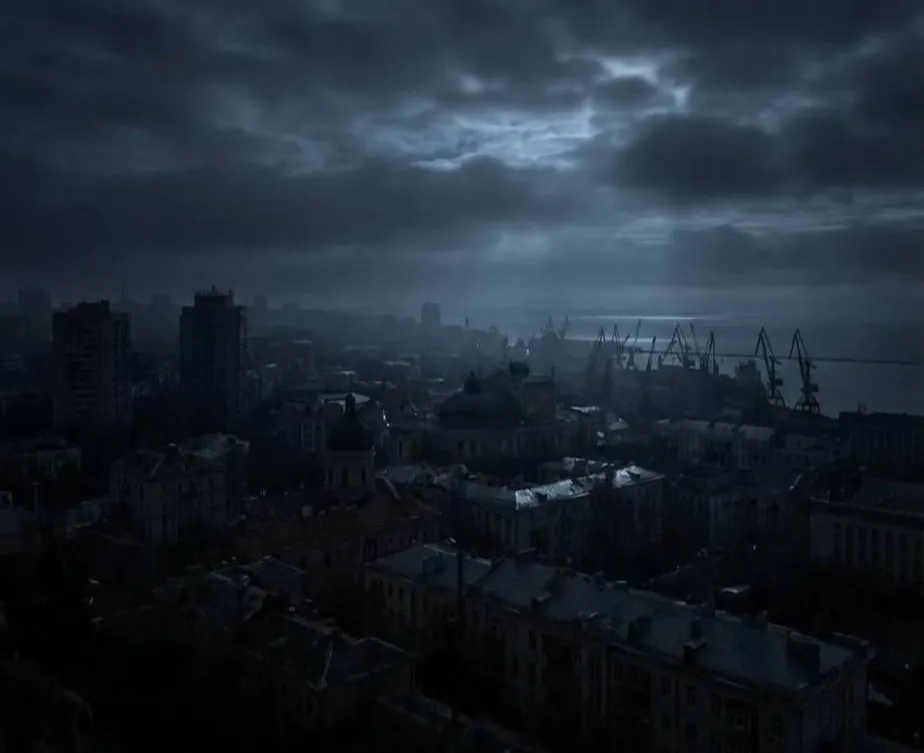
After the shelling on December 13, Odesa was left without electricity. Darkness covered the city both day and night. In many neighborhoods, water disappeared, and apartments quickly became cold. Not only residential buildings but also hospitals and social institutions were without power. Homes were dark and cold.
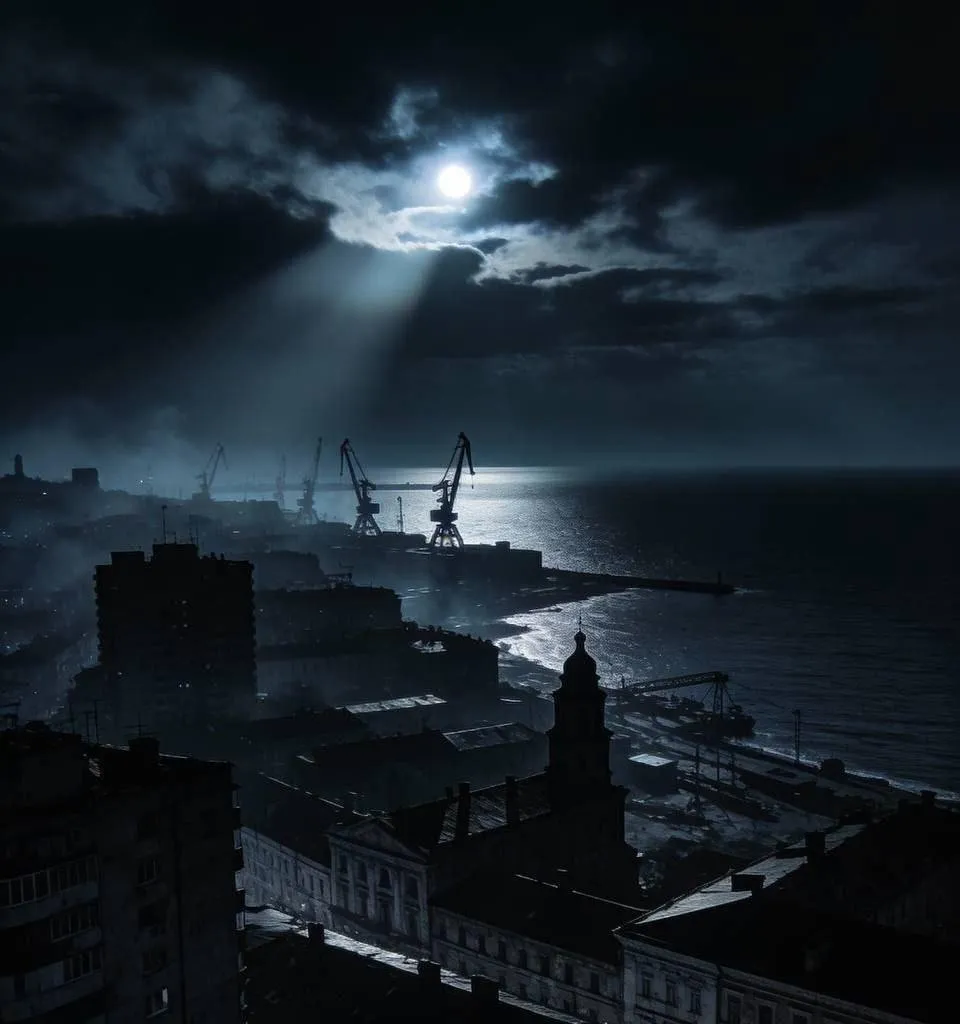
It was only from Sunday that electricity began to return to residents’ apartments. As of Monday morning, more than 430,000 people in the Odesa region remained without power.
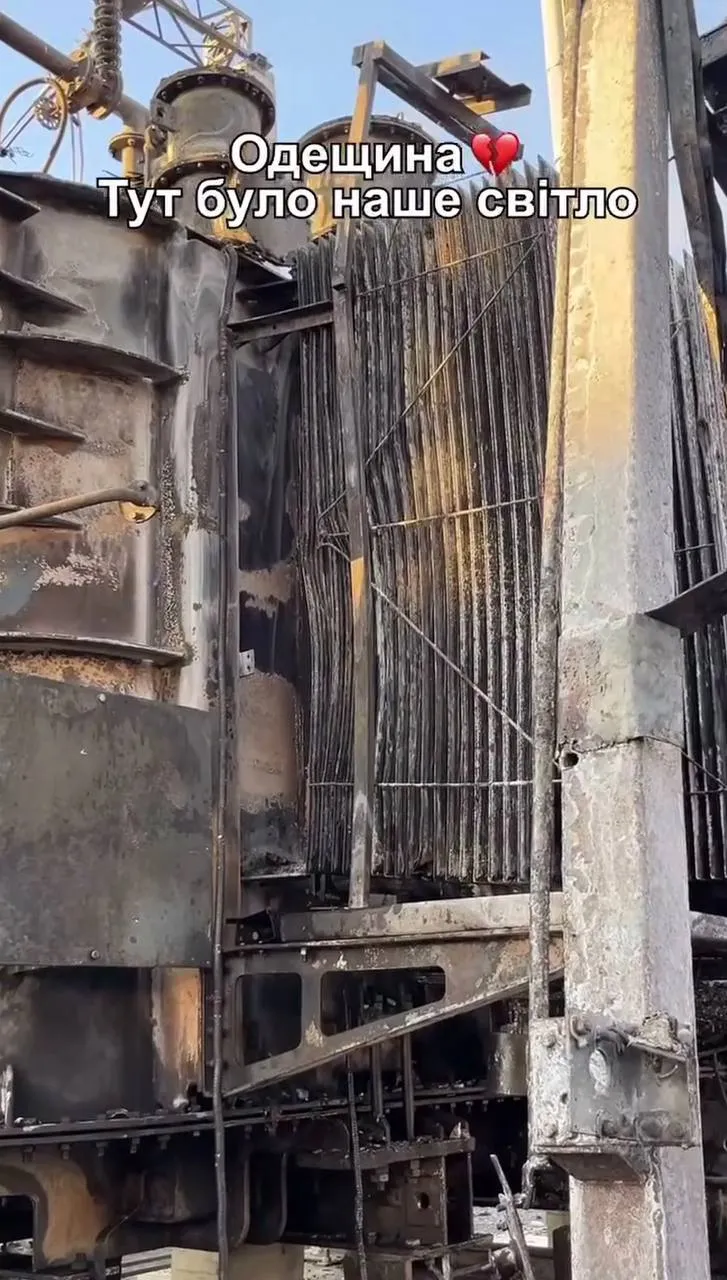
A journalist from UA.News shared how residents of Odesa adapt to difficult conditions and help each other.
My daughter and I spent two days without electricity. We used our home generator minimally — conserving charge so that it would be warm in the evening and everyone could wash in hot water. My husband took the station to work, where there was an opportunity to recharge it.
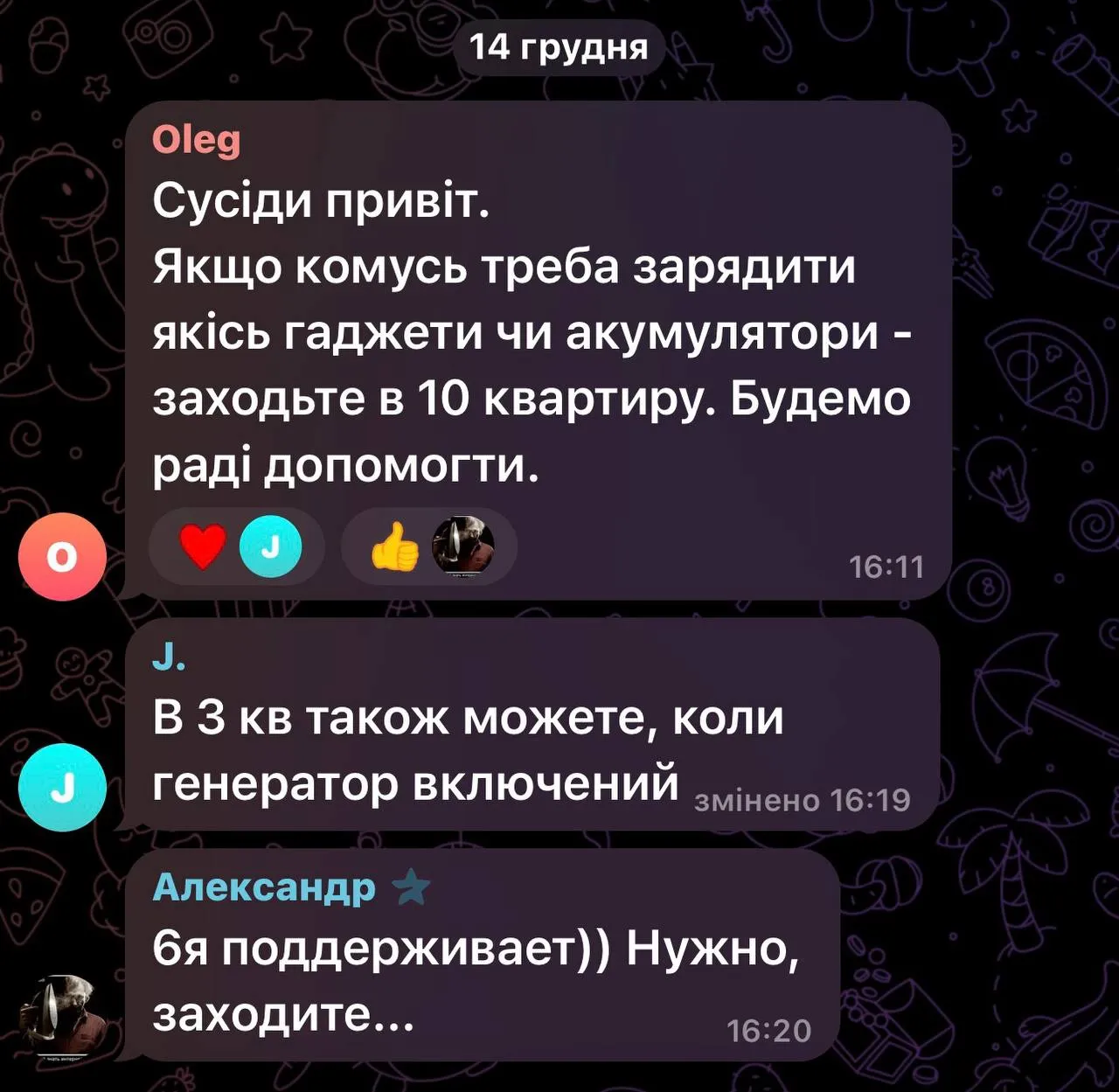
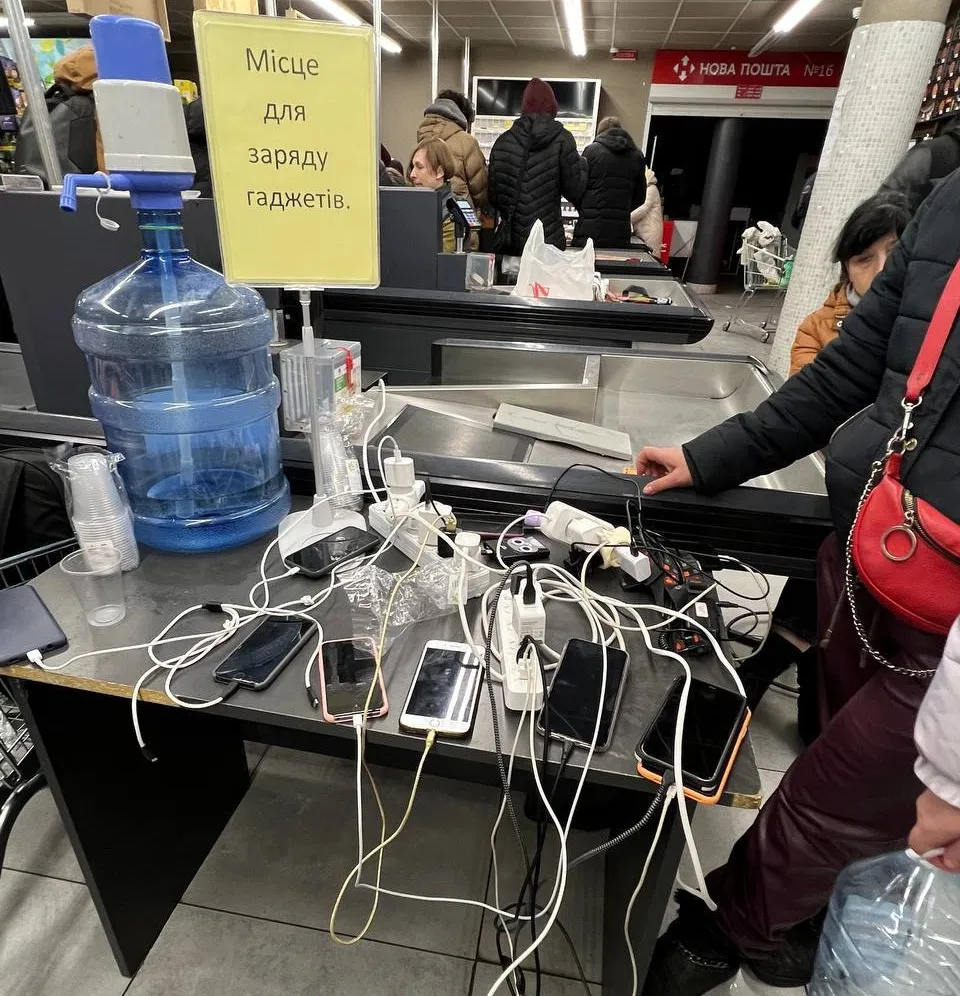
The city began to self-organize. Neighbors shared electricity, allowed stations to be charged from their generators, and brought extension cords so that everyone could use them. In our residential complex, the clinic even operated on the weekend so that people could come and recharge their devices.
Across Odesa, resilience points were operating. People came with phones, power banks, and charging stations — there was space for everyone. Many outlets, light, and warmth — without fuss. Cafes, shops, and shopping centers opened their doors for free charging. In shopping centers and “Nova Poshta” branches, people even dried and styled their hair with hairdryers, because there was light. In “Epicenter” stores, charging was organized calmly through extension cords.
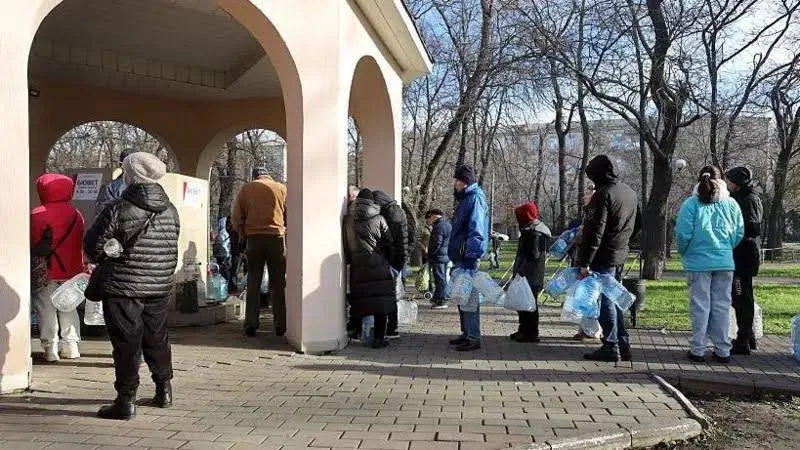
Due to the lack of water, people went to water kiosks, often standing in line for quite a while. Luckily, the weather in Odesa was sunny.
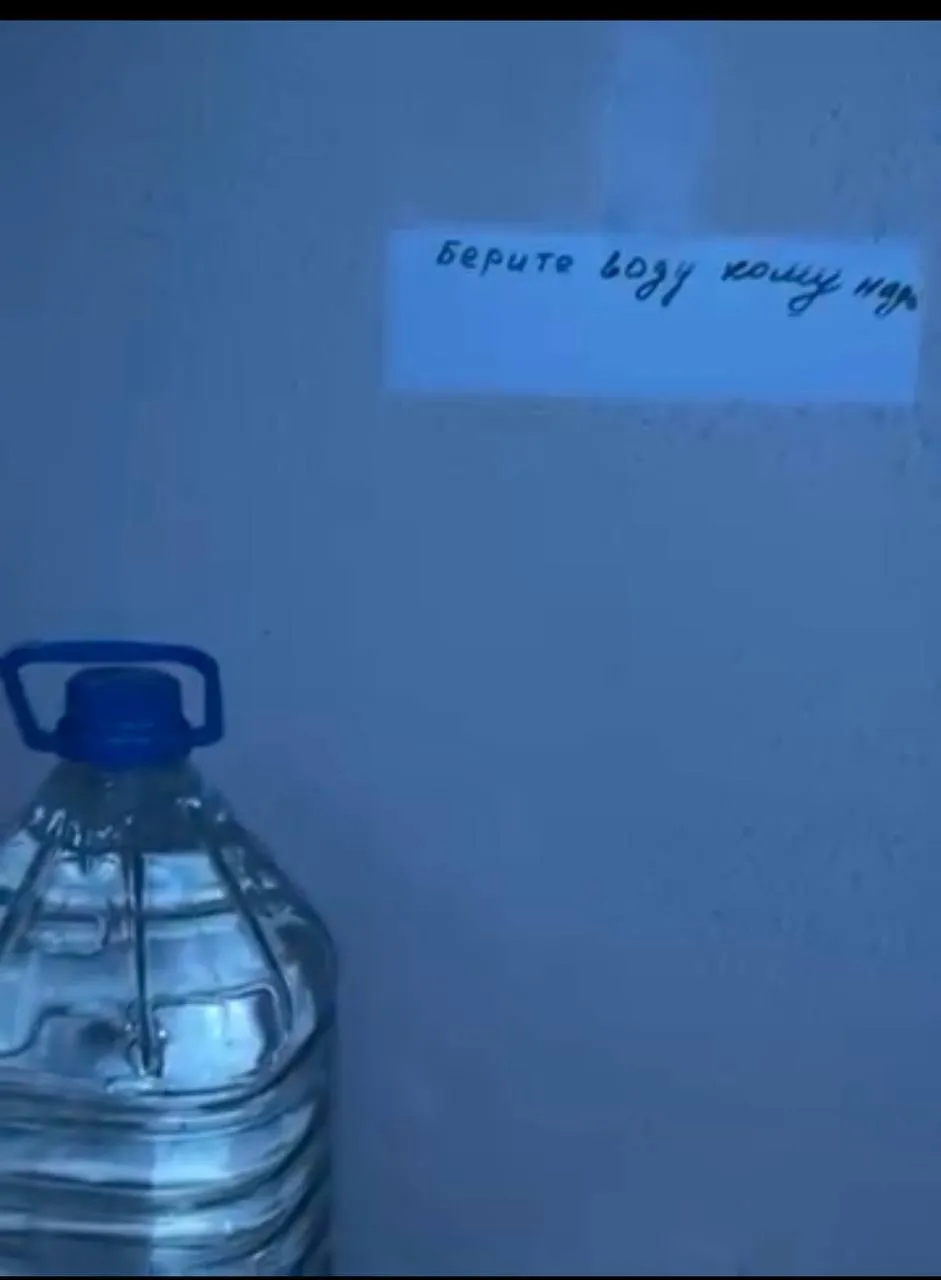
Some residents left water in 5-liter bottles on the streets for those who needed it.
On December 14, water distribution in the city began gradually. By December 15, about 100,000 families had received electricity, but approximately 20,000 residents were still without heating. In most homes, electricity and heat were still absent — apartments remained cold and dark.
At the same time, the prices of charging stations and generators rose sharply, creating an unpleasant and unfair feeling among people trying to provide basic needs for their families and for those who struggle to do so on their own.
There were also painful stories. A neighbor on the first floor had their generator stolen. They have a small child. The culprit is still being sought, and a reward is even being offered, as the family will struggle to get through the winter without it.
Our residential complex was among the first to have electricity restored. We felt this as a small victory, understanding that many buildings nearby were still waiting for power.
But the most important thing is different. When there is no electricity, all hope lies with resilience points, shops, shopping centers, and the people around you. Even in darkness, the city has not broken.
The resilience of Odesa inspires — in mutual help, calmness, and readiness to share the last. This is what keeps the city alive, even when electricity is completely absent.