
The UAE announced its withdrawal from OPEC due to frustration with its neighbors
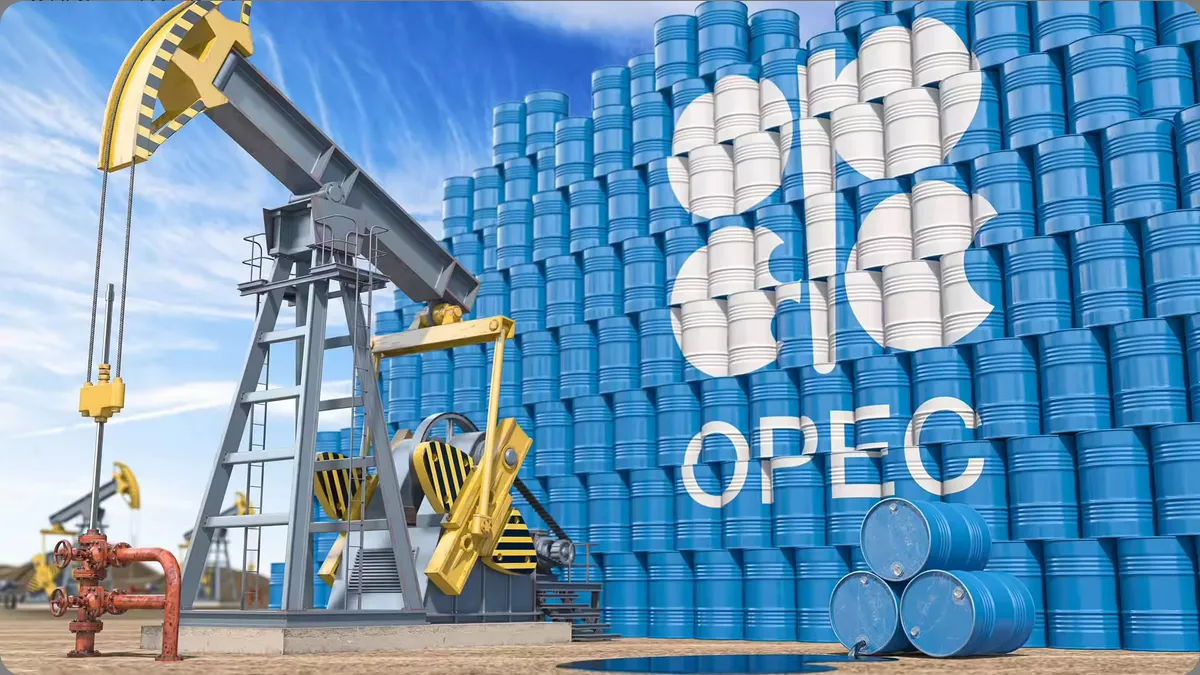
The United Arab Emirates has officially announced its withdrawal from the Organization of the Petroleum Exporting Countries, effective May 1, 2026. The country took this step after failing to receive support from other members of the organization—the Gulf states—during the war with Iran. The Emirates plan to independently determine oil production volumes, guided by their own interests and the development of new technological solutions in the sector.
The UAE’s withdrawal from OPEC and OPEC+ was reported by the state news agency WAM, according to the Associated Press. The document states that this decision reflects the country’s long-term economic strategy, which involves accelerating investment in domestic energy production and strengthening its role as a promising player in global markets.
This move could significantly weaken OPEC, which has typically demonstrated unity despite internal disagreements. Abu Dhabi’s decision is being hailed as a major victory for U.S. President Donald Trump, who has repeatedly accused the organization of artificially inflating prices. In addition to economic factors, the withdrawal was preceded by sharp criticism from the UAE regarding the weak stance of other Arab countries amid Iran’s military activity in the region.
The withdrawal of one of the key oil exporters from the alliance sets the stage for a shift in the global energy landscape and an increase in Western partners’ influence on pricing. At the same time, this poses additional challenges for the Russian budget, which critically depends on coordinated restrictions on oil production to maintain high energy prices.
As a reminder, OPEC oil exports plummeted to a record low in March.
Earlier, OPEC+ agreed to a minimally symbolic increase in oil production amid the war in Iran, starting in May 2026.


