
Russians are flocking to the islands of Vanuatu and Nauru in search of second citizenship
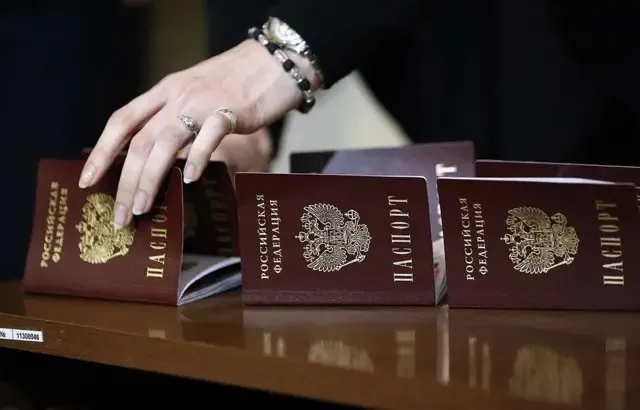
In the first half of 2026, Russians began actively seeking second citizenship and residence permits in island nations. Consultants are seeing the greatest increase in demand for programs in Vanuatu and São Tomé and Príncipe, as well as in other countries in Oceania and Africa. Experts attribute this to a desire to travel more freely, conduct international business, and provide additional opportunities for their families.
In the first half of 2026, interest among Russians in second citizenship and residence permits in island nations increased. These include, in particular, Vanuatu, São Tomé and Príncipe, the Republic of Naoero (formerly Nauru), and Mauritius. According to representatives of the international real estate agency Tranio, Russians are currently most interested in obtaining Vanuatu citizenship. There is also high demand for San Tomé and Príncipe.
This trend was also confirmed by the consulting firm Intermark Real Estate. According to its data, the number of transactions related to Vanuatu tripled over the past year compared to the same period the previous year. At the same time, São Tomé and Príncipe has quickly caught up with Vanuatu in terms of demand. The country’s citizenship-by-investment program was launched only at the end of 2025.
How Much Does Citizenship Cost?
Obtaining citizenship in such countries requires significant financial investment. In Vanuatu, according to consultants, applicants must contribute between $130,000 and $130,000 to a special state fund. In São Tomé and Príncipe, the amount is lower—starting at $90,000.
These are specifically citizenship-by-investment programs, in which an applicant meets the financial conditions set by the state and, upon fulfilling other requirements, can obtain the country’s passport. Overall, Tranio estimates that demand among Russians for second citizenship programs and residence permits in island nations has grown by approximately 30% over the past year.
Why Do Russians Want a Second Passport?
Experts attribute this interest to more than just the desire to have another document. According to them, Russian entrepreneurs and wealthy families seek additional citizenship to gain greater freedom for international travel, expand their businesses outside Russia, and give their children the opportunity to study abroad.
Another reason cited by consultants is the desire to “diversify personal risks”—that is, to have a backup option for living, studying, working, or doing business in another country. Previously, Caribbean countries were significantly more popular among Russians seeking citizenship through investment. These included Antigua and Barbuda, Grenada, St. Kitts and Nevis, Dominica, and St. Lucia.
However, it has now become much more difficult to obtain citizenship or a residence permit through investment programs in these countries. As a result, according to experts, some of the demand has shifted to other regions. In particular, Russians have begun to take a closer look at countries in Oceania and Africa.
Such programs come with their own risks
At the same time, experts emphasize that the conditions for obtaining citizenship are subject to change. This is influenced not only by the decisions of the countries themselves but also by international politics and relations with other states. Vanuatu is a prime example. Previously, citizens of this country could travel visa-free to the European Union and the United Kingdom. Subsequently, these opportunities were restricted, so simply obtaining a Vanuatu passport no longer guarantees the benefits it once provided.
This is an important point for those who view citizenship by investment specifically as a way to gain broader travel opportunities. International agreements can change, and with them, the practical value of such a passport.
What Happened to Malta’s “Golden Passports”
Prior to this, Russian businesspeople had also shown active interest in other European programs. In previous years, dozens of Russian entrepreneurs obtained Malta’s so-called “golden passports”—citizenship in exchange for meeting investment requirements.
But in 2025, Malta shut down this program. Prior to that, the Court of Justice of the European Union ruled that the scheme violated EU law. Since then, opportunities to obtain EU citizenship through similar investment programs have become even scarcer. Against this backdrop, as consultants note, the interest of some Russians has shifted to less obvious destinations—in particular, Vanuatu, African countries, and other island nations. RBC reports this, citing lawyers and consultants who specialize in real estate and immigration programs abroad.
Russian President Vladimir Putin signed a law that, starting January 1, 2027, will allow government agencies to regulate price changes for goods and services factored into inflation calculations.


