
In Siberia, temperatures rose to a record 35 °C
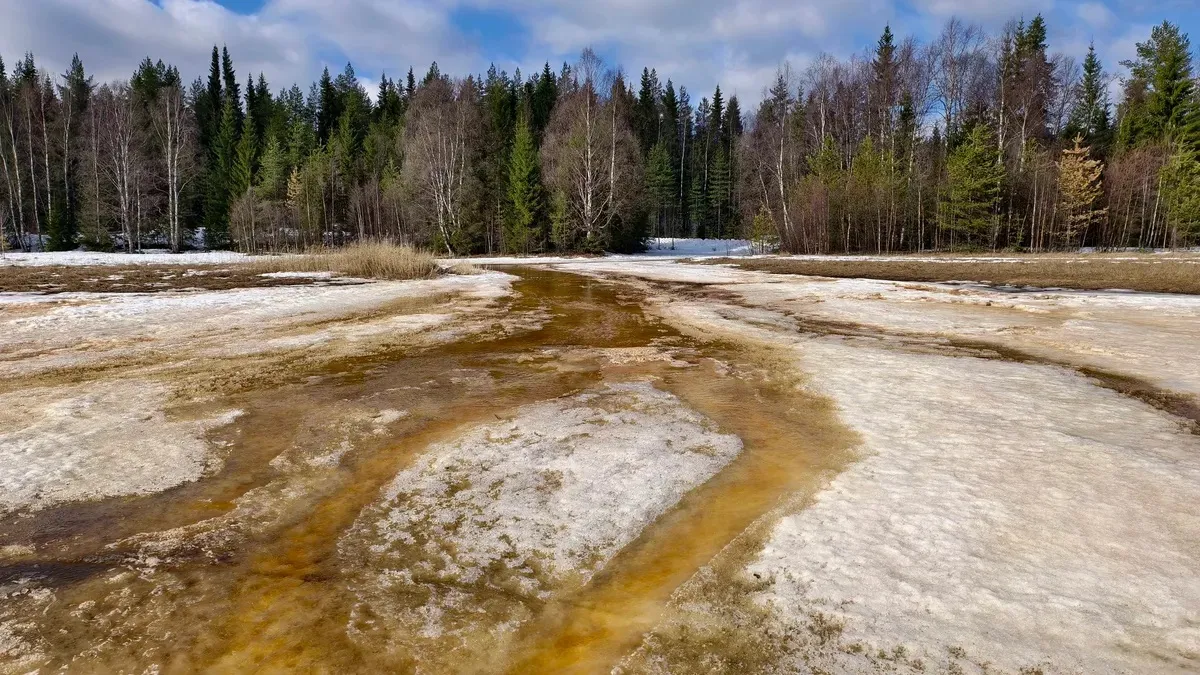
July 2026 was one of the hottest months on record for the Arctic landmass: more than 70% of the Arctic’s land and sea areas were warmer than the 1991–2020 average.
In the central part of the Lena River Valley in Eastern Siberia, temperatures exceeded 35 °C on July 9 and 10, while Central Siberia recorded its warmest July since 1969. At the same time, July saw the third-highest Arctic surface temperature on record since 1950, with the five warmest years all occurring since 2010.
According to scientists, air temperatures in the Arctic are rising about three times faster than the global average. This is due to a feedback loop caused by melting sea ice: as the ice cover decreases, the ocean loses its reflective capacity, absorbs more heat, and accelerates further warming in the region.
IFLScience reports on this.
In July 2026, the surface temperature of the world’s oceans reached its highest level in recorded history. This could exacerbate global warming and negatively impact marine ecosystems.




