
AI track enters Melon Top 100 in South Korea for the first time
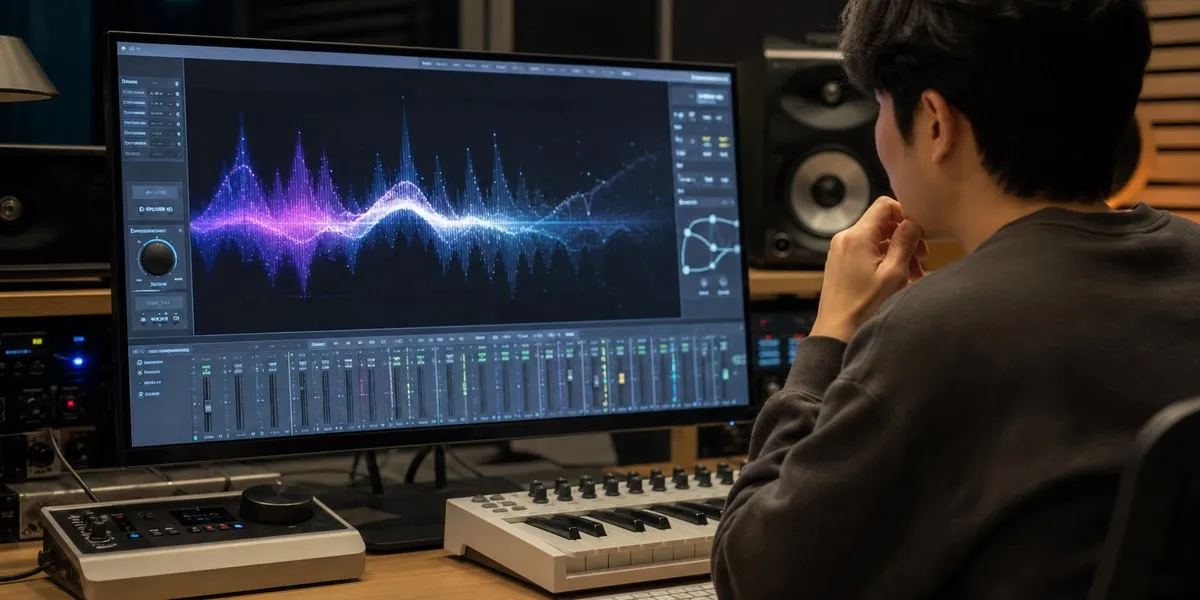
In South Korea, the song “Forest of the Heart,” created with the help of generative artificial intelligence, became the first AI track in the Melon Top 100 chart on September 6. The song was released in May by the YouTube channel Joseon Hiphop and dropped out of the ranking on September 8, The Korea Herald reports.
AI compositions in Melon charts
Joseon Hiphop has more than 175,000 subscribers on YouTube. As of Sunday, three of its compositions were also in the Melon Hot 100 chart: “As I Lived...,” “A Well Called Heart,” and “Just Do It.” This ranking tracks hourly use of music released between 30 and 100 days ago.
All these songs were created using the Suno music AI generator, which was used for composition and vocals. The music creator told local media that, in his opinion, listeners like lyrics that allow them to rest after what they have gone through rather than tell them what to do. He also said he was pleased that “Forest of the Heart” entered the chart because, according to him, the 100–110 positions on Melon are the hardest to reach.
More current news is available on the UA.News Telegram channel Telegram.
Rights to music created by AI
According to Melon, 38% of its listeners are aged 40–49, 33% are aged 30–39, and 11% are aged 20–29.
Joseon Hiphop is preparing a remake of “Forest of the Heart” in which the vocal part will be performed by a human. At the same time, the channel does not receive copyright royalties for AI compositions. In South Korea, copyright is currently not granted for music created by artificial intelligence; instead, creators can receive remuneration under neighboring rights when songs are used or listened to via streaming.
On August 3, the Korea Music Copyright Association announced new guidelines: if a person actively participated in writing lyrics, composition, or arrangement using AI, the part they created could be registered with the organization’s administration. However, the document did not take effect after objections from representatives of the cultural sector. South Korea’s Ministry of Culture, Sports and Tourism stated that the policy requires broader public discussion.


