
The Tisa River receded to a record low, revealing the remains of a 460-year-old bridge
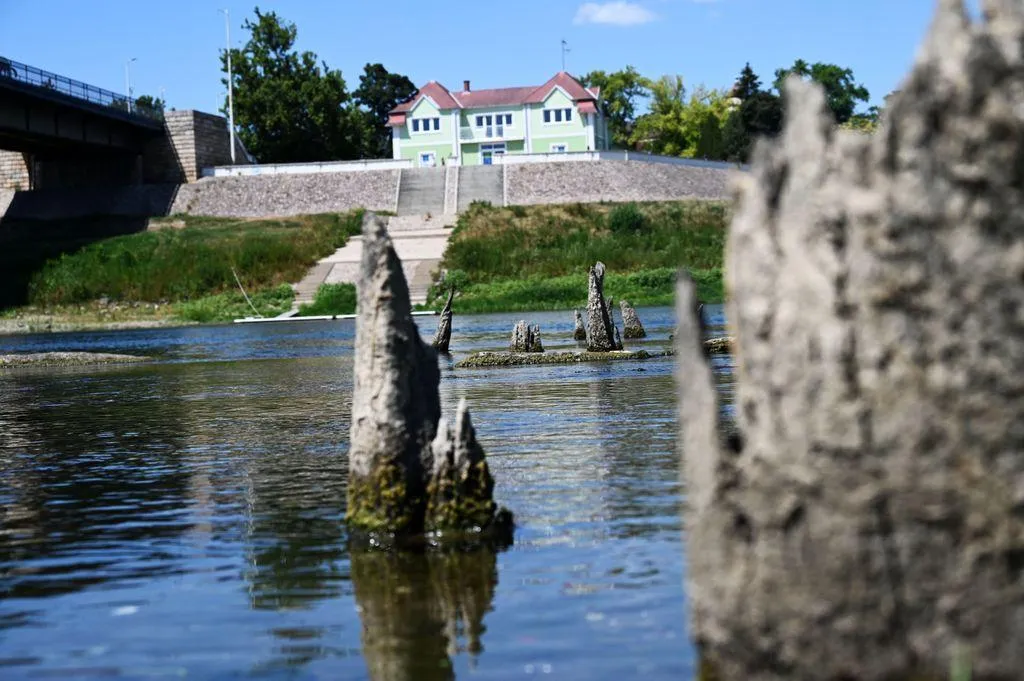
Due to a significant drop in the water level of the Tisa River near the Hungarian city of Szolnok, the remains of the oak piles of an ancient bridge dating back to the Ottoman Empire have become visible once again. In 2026, the water level reached a new record low of minus 302 centimeters, revealing the historic structure built over 460 years ago.
Reportedly, the remains of the wooden structure are located next to the modern bridge across the Tisa, not far from the city center. As the water level continues to drop, more and more of the ancient structure is emerging, creating a striking sight.
However, experts note that for the ancient wood, this “exposure” is more dangerous than beneficial. Over the centuries, the piles have been preserved thanks to their constant submersion in water. With prolonged exposure to air, the wood begins to dry out, crack, warp, and gradually deteriorate.
Archaeologists have also determined that the piles visible today do not belong to a single bridge. Research has shown that the remains of four wooden bridges, built in different eras, have been preserved in the Tisa Riverbed. Some of them were rebuilt practically in the same spot.
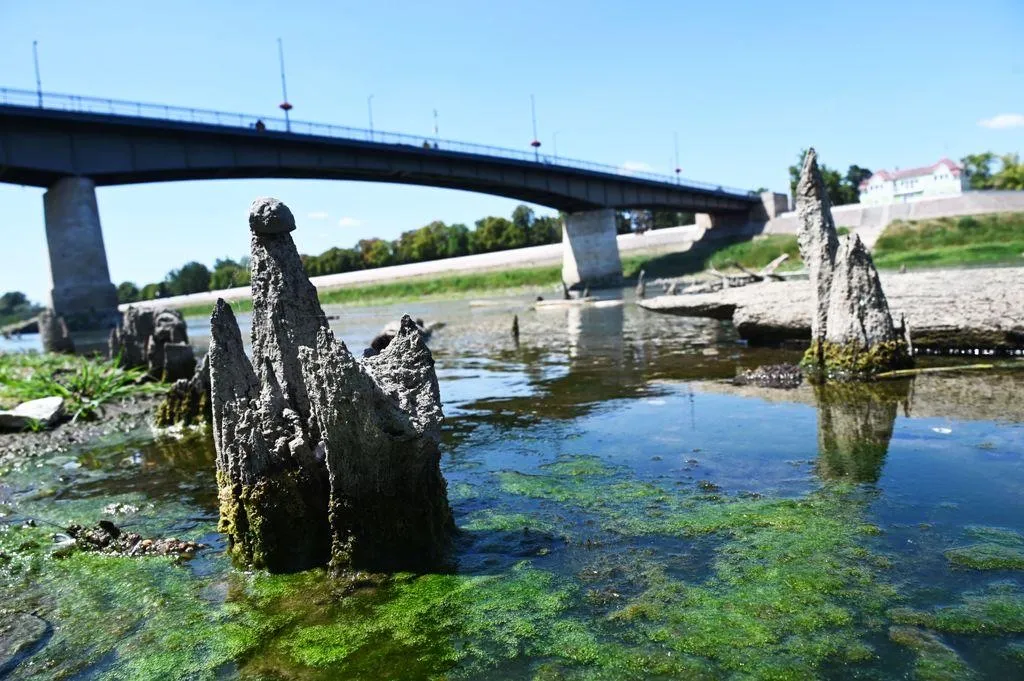
The history of these crossings spans the period from the 16th to the early 20th century. The first known bridge across the Tisa was built in 1562, ten years after the Ottoman Empire captured Szolnok. That is why the preserved piles are often referred to as “Turkish,” although in reality they are a legacy of several historical periods.
Szoljon reports on this.
Earlier, archaeologists in Turkey discovered one of the largest Roman villas in Anatolia.
Earlier, British archaeologists uncovered 800-year-old remains of a medieval castle beneath the Crown Court building in Chester. The find was an unexpected discovery during surveys of the area and helped reveal new details about the city’s history.
As a reminder, gold jewelry dating back to before the Bronze Age Catastrophe was found in Cyprus.
Near Halych, archaeologists have discovered unique medieval artifacts.


