
European Commission urges EU countries to cut energy demand — Taipei Times
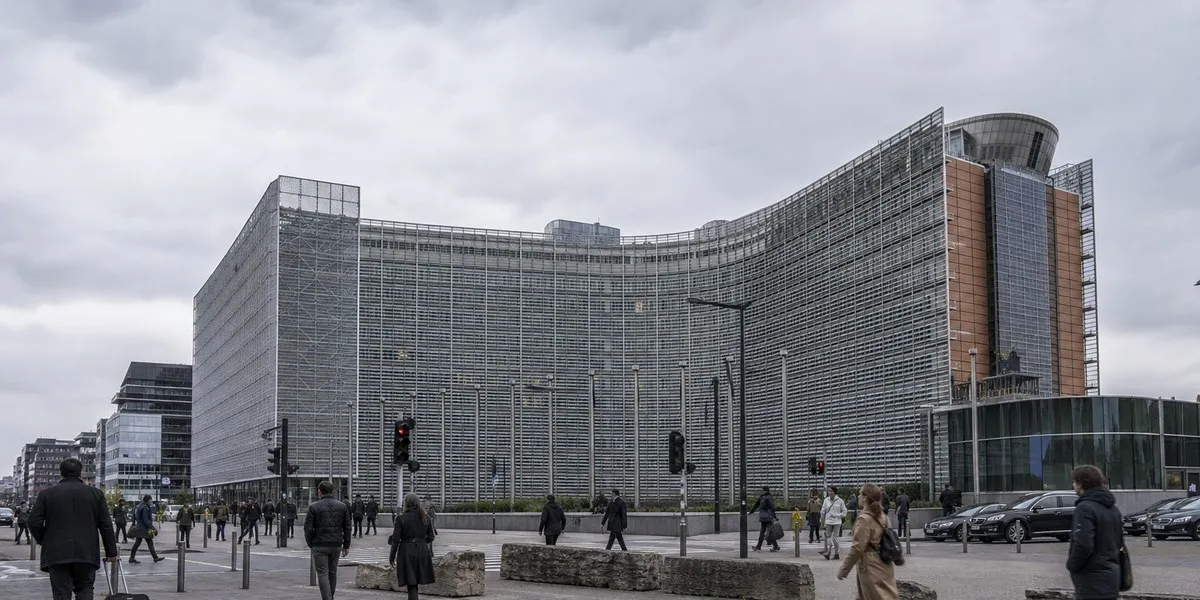
In Brussels, Belgium, the European Commission called on EU member states to consider measures to reduce gas and electricity consumption, as well as to continue filling gas storage facilities ahead of winter. In a letter to the energy ministers of the bloc’s 27 countries, European Commissioner for Energy Dan Jørgensen warned of a possible price crisis linked to a supply crisis amid the conflict in the Middle East.
Jørgensen said that the EU is facing a price crisis associated with a supply crisis. As reported by Taipei Times, Europe’s dependence on imported fossil fuels makes the region vulnerable to shocks in energy markets.
Gas prices have more than doubled
Foreign suppliers meet about 80% of the EU’s gas needs. The effective closure of the Strait of Hormuz due to the war in Iran has affected global prices: about 20% of global oil and liquefied natural gas volumes are usually transported through this waterway.
Since the start of the US-led war against Iran in late February, gas prices in Europe have more than doubled. Earlier this month, they reached their highest level since late 2022. Companies in the EU said that rising energy costs are weakening Europe’s competitiveness, while governments are under pressure due to increasing household bills.
More current news is available on the UA.News Telegram channel Telegram.
More flexible targets for gas storage facilities
Filling gas storage facilities is more difficult this year because current gas prices exceed the cost of winter contracts. This makes summer fuel injection less economically viable. According to Gas Infrastructure Europe, the region’s storage facilities are filled to just over 70%, while the seasonal figure for this period is 86%.
EU rules allow a deviation of 10 percentage points from the target of filling storage facilities to 90% before the start of the heating season. Under unfavorable market conditions, a further five percentage points of flexibility may be applied. Jørgensen noted that lowering the target level to 80% could ease pressure on prices and the costs of injecting gas.
Among possible demand-reduction measures, he named limiting temperatures in public buildings, preventing outdoor heating, and switching off unnecessary outdoor lighting.




