
Canadian oil gains new access to the U.S. Gulf Coast — OilPrice
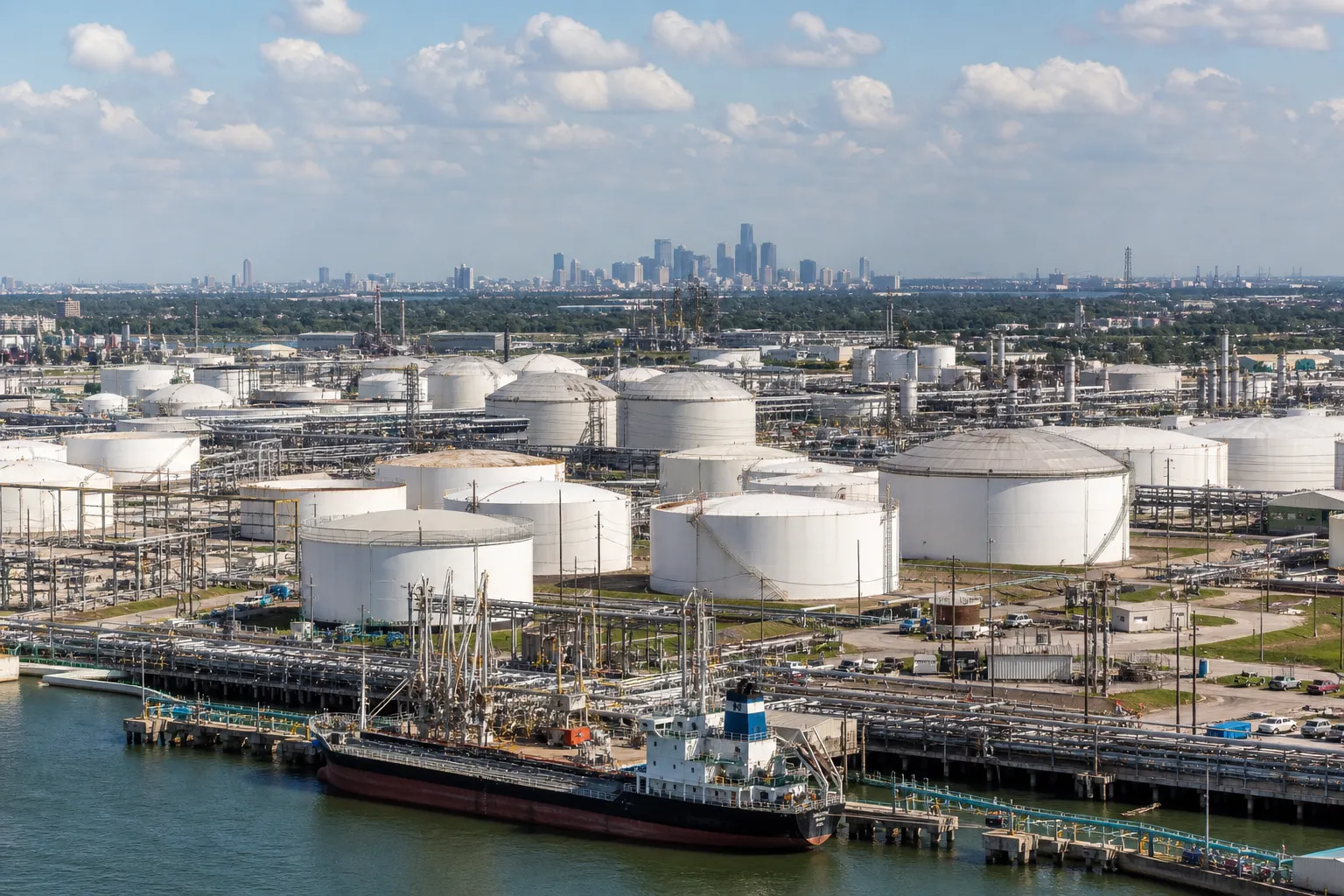
Canada is gaining additional access to the U.S. Gulf Coast market thanks to Enbridge’s terminal in Houston. The Houston Oil Terminal, which began operating in July, provides Canadian heavy crude with access to the region’s refineries and export docks, OilPrice reports.
Exports to the United States
After meeting domestic refining needs, Canada exports about 80% of the oil it produces, with approximately 90% of these volumes supplied to the United States. In 2025, the country exported a record 4.3 million barrels per day, of which 3.9 million barrels per day, or slightly more than 90%, went to the United States.
According to the Canada Energy Regulator, U.S. imports of Canadian oil averaged more than 4 million barrels per day in the first half of 2026. In June, total Canadian crude oil exports were 6.4% higher than a year earlier. In 2024, Canada exported crude oil, liquefied hydrocarbon gases, and natural gas worth $160 billion, while Canadian oil accounted for more than 60% of U.S. crude oil imports.
Gulf Coast market
The U.S. Midwest remains the largest American market for Canadian oil: in 2025, the region received an average of 2.75 million barrels per day, and about 2.92 million barrels per day in the first half of 2026. At the same time, the Gulf Coast processed approximately 337,000 barrels of Canadian oil per day in the first half of 2026, compared with 416,000 in 2025 and 526,000 in 2024.
More current news is available on the UA.News Telegram channel Telegram.
Enbridge plans to increase the Houston Oil Terminal’s storage capacity from 2.5 million to 15 million barrels. Joe Calnan, vice president for energy at the Canadian Global Affairs Institute, noted that the region has significant heavy sour crude refining capacity, and some refineries were designed for Venezuelan and Mexican grades.
Pacific route and tariffs
Canada is also expanding export opportunities through the Pacific. Following its expansion, the Trans Mountain system’s capacity nearly tripled to 890,000 barrels per day, and in June the pipeline reached full utilization for the first time. The company plans to add another 90,000 barrels per day in the fourth quarter and 210,000 barrels per day by the end of 2028; according to Reuters, most of the additional volumes are expected to be supplied to Asia.
According to OilPrice, the White House excluded energy products, potash fertilizers, and critical minerals from the 50% tariffs under Section 338. Canada responded by imposing duties of 15%, 25%, and 50% on U.S. goods worth a total of C$27.6 billion, but Canadian crude oil was not included in this round of tariffs.


