
Oil prices remain below $100 despite tensions surrounding the Strait of Hormuz
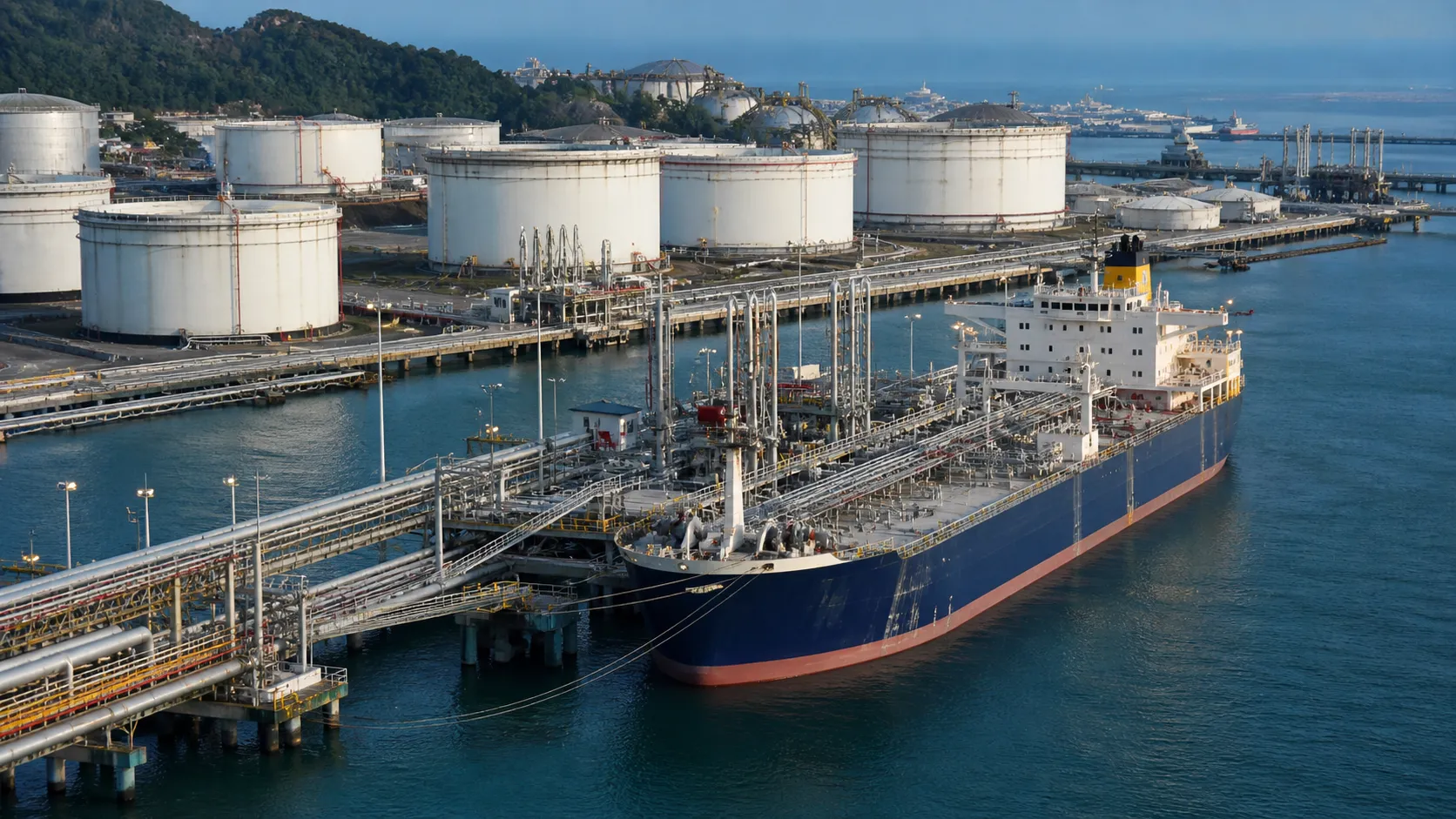
Oil prices remain below $100 per barrel despite tensions surrounding the Strait of Hormuz and uncertainty regarding the volume of oil flows from the region. According to CNBC, after hitting lows in July, prices rebounded by about $15, but at the time of this report’s publication, a barrel was trading at around $85.
Over the course of the week, U.S. crude oil initially fell by nearly $10 per barrel but then partially recovered from that decline. Over the months since the start of the war with Iran, the price of oil has fluctuated by 40% between its peak and its recent low. The market is assessing how much oil is currently leaving the Persian Gulf region. U.S. Energy Secretary Chris Wright stated that more ships are leaving the region than some tracking maps might suggest.
JPMorgan analyst Natasha Kaneva cited three factors that, in the bank’s view, have held back a sharp rise in prices: the drawdown in inventories was smaller than expected, demand in China has declined, and production in various regions grew faster and on a larger scale than forecast. According to her assessment, producers’ efforts to maximize output have brought new volumes of oil to the market, particularly from the U.S. and South America.
For more breaking news, follow the UA.News Telegram channel.
At the same time, Goldman Sachs considers the physical oil market to be tighter. According to the bank’s estimates, visible inventories have fallen by more than 6 million barrels over the past two weeks. Analysts cited lower flows from the Persian Gulf and the Red Sea, a decline in Russian exports, and stronger Asian imports—including from China—as some of the reasons.
In its monthly report, OPEC slightly lowered its estimate of oil demand compared to the previous month but expects growth to resume next year. The International Energy Agency forecasts a decline in global demand of 1.6 million barrels per day in 2026 and notes that the closure of the Strait of Hormuz and high fuel prices are weighing on consumption. At the same time, the IEA expects demand to resume growing in the fourth quarter and to increase by 2.4 million barrels per day in 2027.


