
In the US, 93% of new energy capacity this year will come from clean energy — Live Science
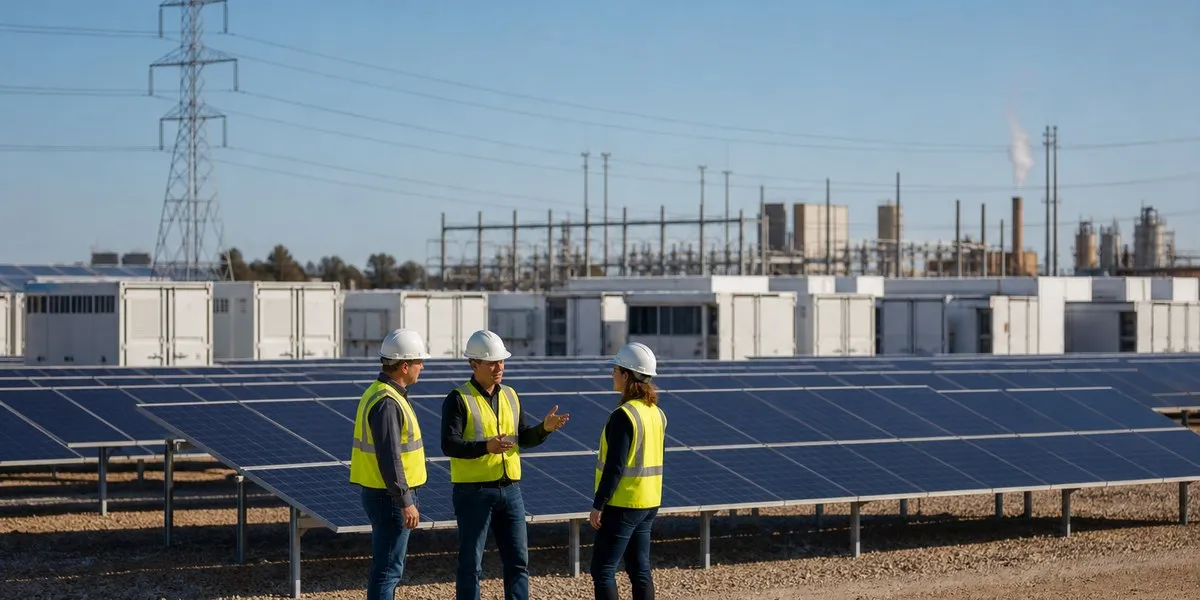
In the United States, 93% of new power generation capacity this year is expected to come from solar and wind generation and energy storage systems. Leah Stokes, an associate professor of environmental policy at the University of California, Santa Barbara, wrote about this in an opinion piece for Live Science.
In her assessment, the development of renewable energy is determined primarily by costs: more than 90% of new renewable energy projects are already cheaper than new fossil fuel facilities. Stokes argues that tariffs on solar panels and batteries raise costs for Americans but will not stop the overall decline in the cost of clean energy.
Coal is losing competitiveness
The author notes that since 2015, most new energy facilities in the United States have belonged to clean generation. At the same time, fossil fuels currently generate 57% of the country’s electricity, while clean sources account for 43%.
Coal provides approximately one-sixth of US electricity generation. According to data cited in the opinion piece, keeping 99% of US coal power plants operating is more expensive than replacing them with new solar and wind capacity and energy storage systems.
More current news is available on the UA.News Telegram channel Telegram.
Stokes also mentioned the J.H. Campbell power plant in Michigan, which the Donald Trump administration ordered to remain open after its planned retirement. According to her, this decision cost consumers $600,000 a day, and on September 11 a federal court rejected the relevant order.
Solar plants are built faster than gas-fired ones
Demand for electricity is growing, including due to the development of artificial intelligence, data centers, and electrification. At the same time, more than three-quarters of proposed gas power plants for data centers are at an early stage of implementation, while deliveries of gas turbines are being delayed into the 2030s, Stokes writes.
In her assessment, solar power plants and battery systems can be built in less than two years. The author also points to opportunities for states and cities to accelerate the transition: simplify the installation of plug-in solar panels, encourage electricity consumption during hours of excess solar generation, and introduce flexible electrical systems in buildings.




