
Twenty years since trastuzumab subsidisation in Australia — ABC News Australia
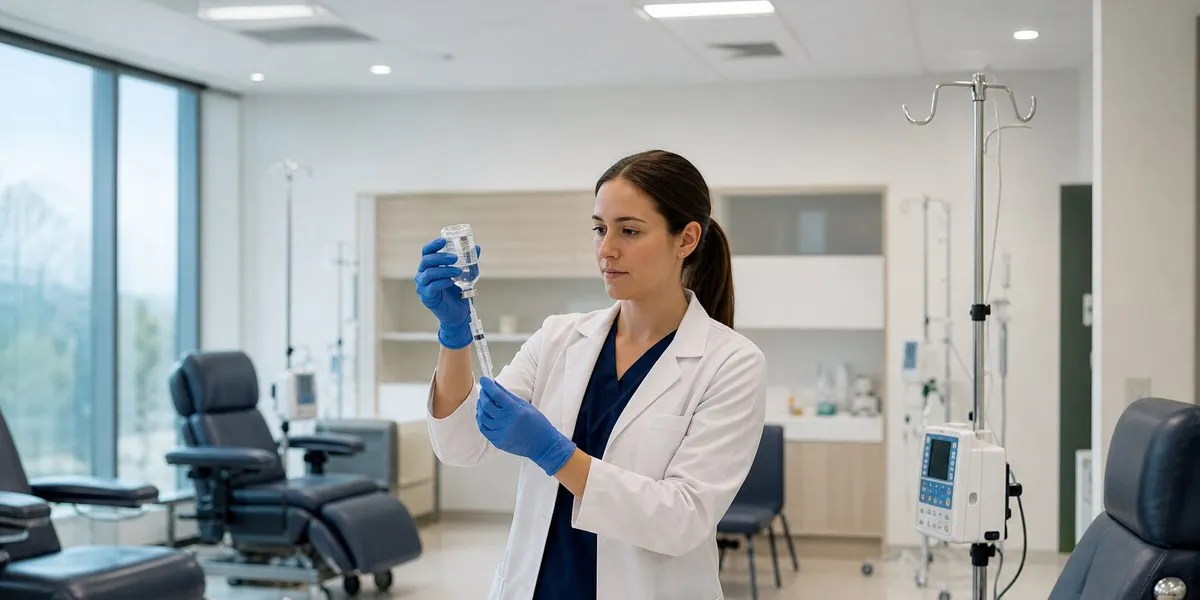
Twenty years have passed in Australia since trastuzumab was included in the Pharmaceutical Benefits Scheme, the state medicine subsidy program, for patients with early-stage HER2-positive breast cancer. The decision took effect on October 1, 2006, opening access to a therapy that had previously cost many people between A$50,000 and A$70,000 per year, ABC News Australia reports.
Access to treatment
Before the drug was included in the program, women who were not taking part in clinical trials either paid for treatment themselves or did not receive it. Breast Cancer Network Australia founder Lyn Swinburne said she had heard of patients selling homes, farms and other property to buy the drug.
At the end of 2001, the Australian government introduced a special program providing free access to trastuzumab for women with HER2-positive metastatic breast cancer. According to Swinburne, subsidising the drug for early-stage disease changed the lives of thousands of Australian women.
The role of the clinical trial
In 2001, 40-year-old Donna Rullo, who was diagnosed with HER2-positive breast cancer, became the first participant in the HERA study. Before that, she underwent chemotherapy, surgery and radiation therapy. Rullo drove five hours from her fruit farm in the region to Melbourne to attend a lecture by oncologist Richard Bell, who was involved in the trial of the new drug.
More current news is available on the UA.News Telegram channel Telegram.
More than 5,000 patients from 39 countries took part in the HERA study. It showed that a one-year course of trastuzumab significantly improves long-term disease-free survival in patients with early-stage HER2-positive breast cancer.
Improved survival
HER2-positive cancer accounts for up to one in five cases of breast cancer. It is characterised by an elevated level of the HER2 protein, which promotes the growth of cancer cells. Trastuzumab attaches to the HER2 receptor on a cancer cell; it is now the most widely used HER2-targeted therapy in Australia and New Zealand.
According to Breast Cancer Network Australia, the likelihood of living for at least five years after a breast cancer diagnosis in Australia was 93% in 2017–2021, compared with 75% in 1987–1991. Oncologist Rachel Dear attributes this to early detection, better diagnostics, and the development of personalised and targeted treatment.




