
Pakistan’s KSE-100 index falls amid expensive oil — Dawn
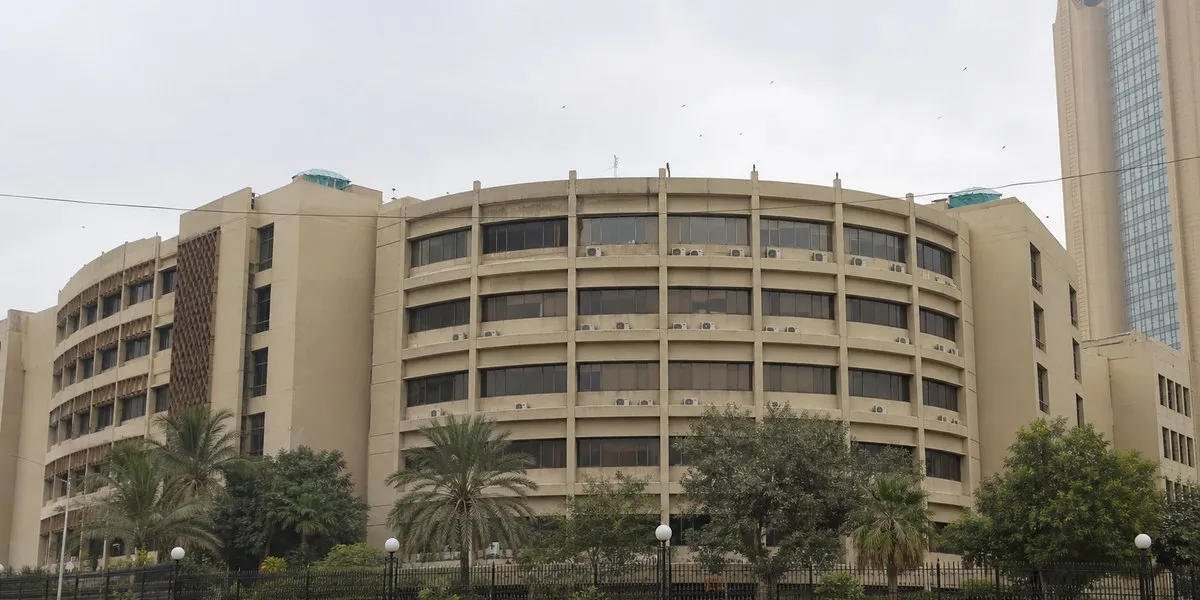
In Pakistan, the KSE-100 index on the Karachi Stock Exchange fell by 339.60 points, or 0.20%, to 170,425.62 points at the close of trading. Investors cautiously assessed geopolitical uncertainty and rising oil prices, Dawn reports.
Index fluctuations
During the session, the KSE-100 traded in a range from 170,120.50 to 171,126.52 points. According to Topline Securities, rising energy prices intensified concerns about inflation and the state of Pakistan’s external sector.
Brent crude oil rose above $106 per barrel. Dawn noted that high oil prices are increasing Pakistan’s energy import costs amid a lack of progress in U.S.-Iran negotiations on ending the war.
Shares and investor activity
TRG Pakistan Ltd, Fauji Fertiliser, Oil and Gas Development Company, Attock Refinery and Hub Power made the largest positive contribution to the index’s performance, adding about 265 points combined. Shares of United Bank, Habib Bank and Lucky Cement, by contrast, collectively lowered the indicator by about 235 points.
More current news is available on the UA.News Telegram channel Telegram.
Ali Najib, deputy head of the trading division at Arif Habib Ltd, said investor sentiment remained fragile due to geopolitical uncertainty. According to him, market participants also reacted to media reports that U.S. President Donald Trump had rejected an Iranian ceasefire proposal concerning the Strait of Hormuz.
Trading volumes declined
Trading volume on the exchange fell by 12.78% to 421 million shares, while the value of transactions decreased by 8.02% to 17.7 billion Pakistani rupees. Cnergyico PK shares were the most actively traded, with a volume of 61.5 million shares.
Analysts expect market volatility. In their view, its performance will be influenced by energy prices, risks to the external sector and the progress of the International Monetary Fund programme review.




