
S&P 500 has been in oversold territory for 14 sessions in a row — CNBC
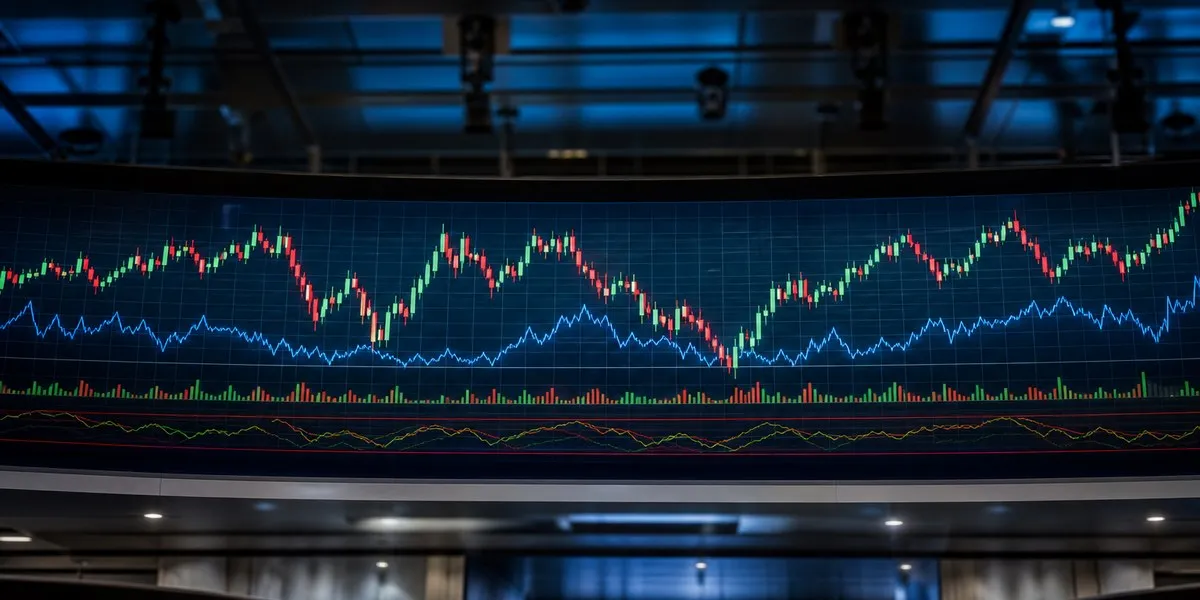
In the United States, the S&P 500 short-term oversold indicator has signaled an oversold market condition for 14 trading sessions in a row. At the same time, high yields on U.S. government bonds are pressuring stock valuations, as they make debt instruments more competitive for investors.
High rates put pressure on stocks
As CNBC reports, the Federal Reserve raised interest rates in early September for the first time in three years. The market expects at least one more increase before the end of the year. The yield on 30-year U.S. Treasury bonds rose to its highest level since early 2002, while the yield on 10-year securities approached highs not seen in nearly two decades.
Higher rates usually reduce the present valuation of companies’ future earnings in discounted cash flow models. For investors focused on dividend income, higher-yielding debt securities may also be an alternative to stocks. According to the publication, more than half of S&P 500 companies are trading below their 200-day averages.
More current news is available on the UA.News Telegram channel Telegram.
Company selection is becoming more important
The author of the article notes that rising rates are not the same signal for all stocks. High rates may reflect an active economy in which consumers are spending money, while companies are investing and experiencing steady demand. According to updated data from the U.S. Department of Commerce, the country’s GDP grew by 2.2% in the second quarter at an annualized rate, while the preliminary estimate was 1.5%.
In the author’s view, under such conditions it is worth separately assessing companies’ financial resilience, revenue stability, profit margins, earnings quality, cash flows, and growth prospects. The impact of rates may be more substantial for businesses whose demand directly depends on borrowing costs, including companies related to home sales or repairs.
CNBC also emphasizes that the investment horizon is important for long-term investors: interest rates change throughout economic cycles, so stocks should be assessed with regard to the specifics of a particular company rather than only the overall level of bond yields.




