
Experts warn of risks of excessive skincare among girls
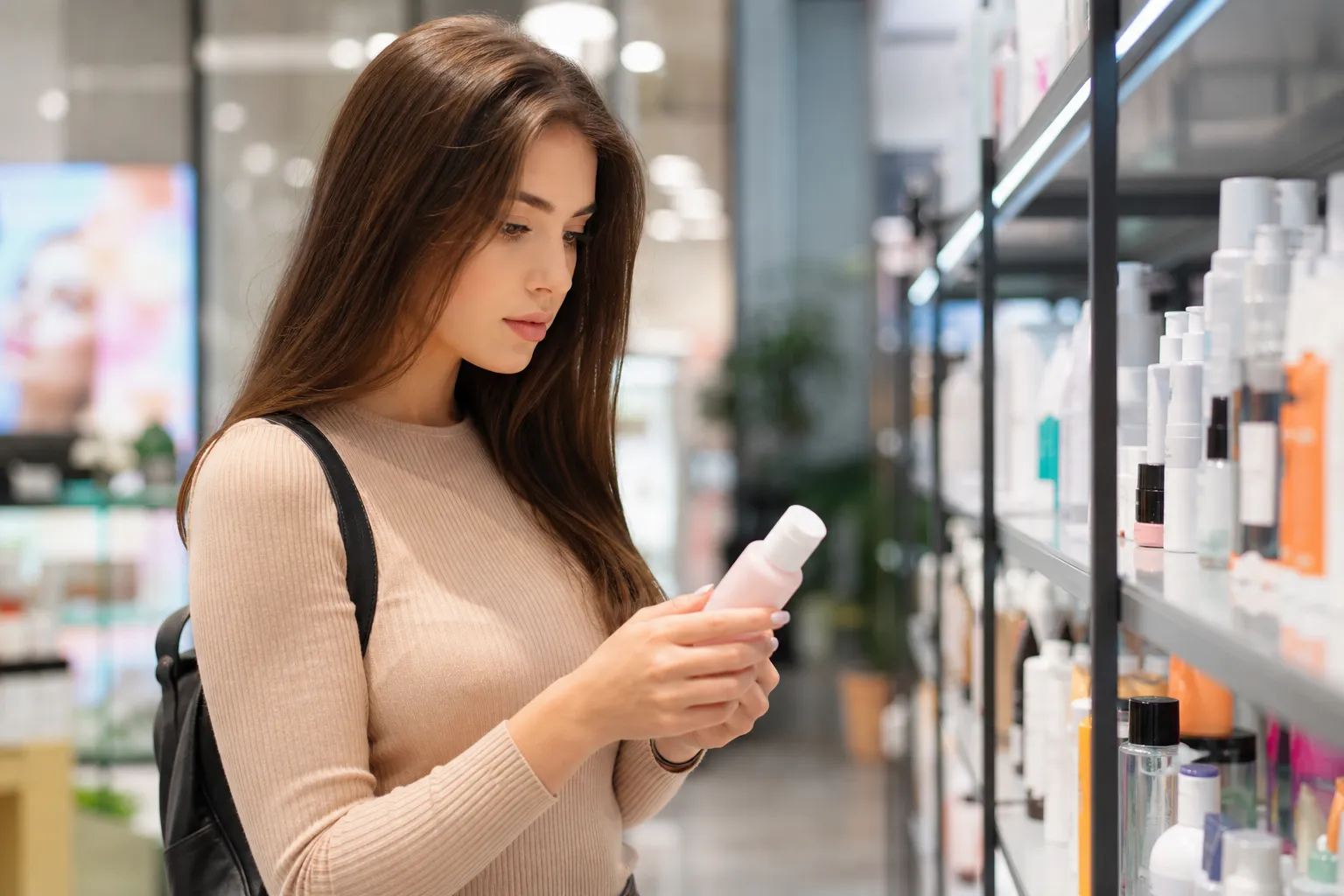
Dermatologists and psychologists interviewed by Channel NewsAsia drew attention to the excessive interest some girls take in cosmetics and multi-step skincare routines. Specialists link this to the influence of social media, marketing, and societal perceptions of appearance.
Dermatologist Lynn Chiam called this fixation on “flawless” skin cosmeticorexia. According to her, the term encompasses an unhealthy drive to use cosmetics or undergo cosmetic procedures that may be excessive, compulsive, or inappropriate for a child’s age. The doctor noted that her patients include teenagers who are well versed not only in creams and serums, but are also interested in laser procedures, energy-based devices, Botox, and other injections.
Risks to skin and self-esteem
According to Chiam, some girls become upset if they skip one product in a multi-step routine or constantly buy new products to correct perceived flaws. In some cases, this can take money intended for lunch or school supplies. In the doctor’s view, appearance can become the central component of self-esteem for such children.
Mark Koh, head and senior consultant in dermatology at KK Women’s and Children’s Hospital, stressed that children usually do not need a separate skincare routine. If necessary, he advises limiting it to a gentle cleanser, a basic moisturizer for dry or irritated skin, and sunscreen with SPF 30 or higher when outdoors.
More current news is available on the UA.News Telegram channel Telegram.
Koh also advised avoiding retinoids, strong chemical exfoliants with alpha- and beta-hydroxy acids, and anti-aging serums. Such products are usually designed for the needs of adult skin and, according to him, may damage a child’s protective barrier, cause painful rashes, allergic reactions, or chemical irritation.
The influence of social media
Clinical psychologist Annabelle Chow said she had noticed more preteen and teenage patients showing an increased interest in cosmetics and makeup. In her view, due to incomplete brain development, children may be more impulsive and more inclined to imitate friends in an effort to fit in with the group.
Cheong Xinyi, head of KKH’s psychology service, explained that social media algorithms reinforce this influence: the more users interact with skincare or makeup content, the more similar material they see. She advised parents not to forbid children from being interested in cosmetics, but to discuss advertising, filters, and unrealistic beauty standards with them, while setting boundaries regarding acceptable products.


