
Doctors in Singapore debunk myths about caesarean sections — Channel NewsAsia
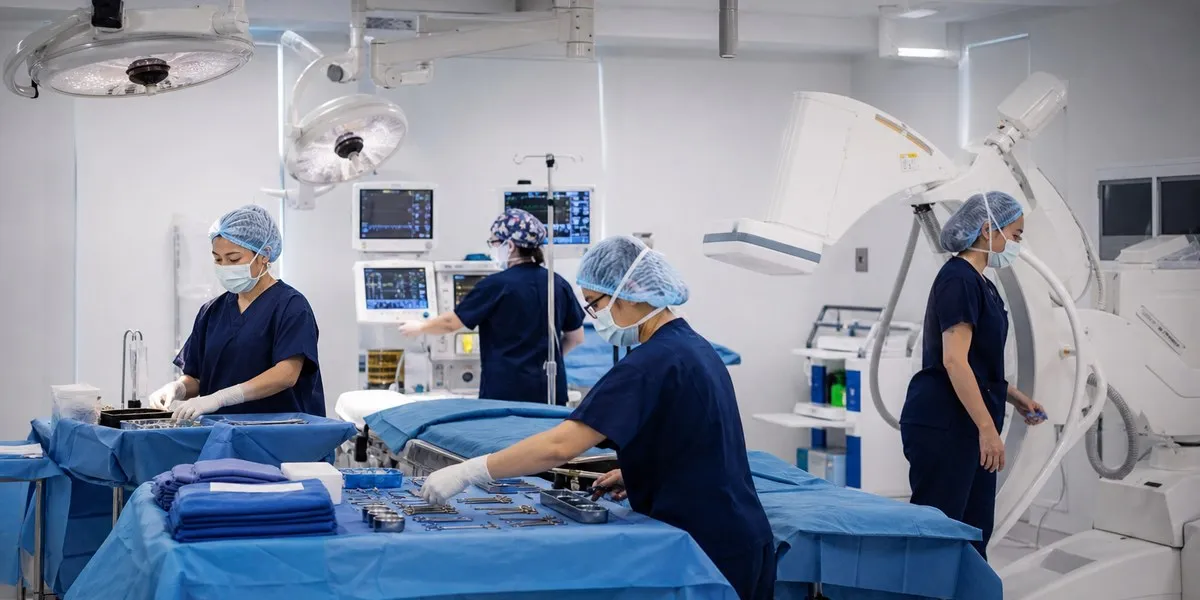
Doctors in Singapore explained that a caesarean section is a major abdominal operation, and the decision on the mode of delivery should take into account medical indications and the circumstances of the individual pregnancy. As Channel NewsAsia reports, the operation may be recommended due to the mother’s health condition, previous uterine surgery, breech presentation, fetal development characteristics, problems during labour or signs of fetal distress.
Obstetrician-gynaecologist Ilka Tan of KK Women’s and Children’s Hospital stressed that caesarean sections carry risks of bleeding, infection, injury to nearby organs and anaesthesia-related complications. At the same time, specialists note that in the absence of medical reasons, vaginal birth is a safer option for most women, both for the current and future pregnancies. If, after discussing the benefits and risks, a woman chooses a planned caesarean section, that decision is respected.
Birth after previous surgery
The common belief that vaginal birth is impossible after a caesarean section is not true. The possibility of such a birth is assessed individually, taking into account the reason for the previous operation, the type of uterine incision, the interval between pregnancies and possible complications. The main risk is separation of the uterine scar during labour. After more than one caesarean section, doctors generally recommend a repeat operation, and the risk of serious complications increases with each subsequent procedure.
Specialists also refuted the notion that a caesarean section is an “easier” way to give birth. According to doctors, this stereotype may intensify feelings of guilt, anxiety and low mood in women after an unplanned operation. Spinal anaesthesia is usually used during a caesarean section: the woman does not feel pain but may feel pressure, hear the baby cry and move her arms.
More current news is available on the UA.News Telegram channel Telegram.
Recovery and the child’s health
When there are no complications, the operation lasts less than an hour, and most women are discharged after two to three days, often only one day later than after vaginal birth. After a caesarean section, postpartum discharge may be lighter, but the operation itself usually involves greater blood loss than uncomplicated vaginal birth.
A modern postoperative scar is usually horizontal, about 10–12 centimetres long and located low on the abdomen. During the first months, it may be dark, firm or slightly raised, but over the course of a year it generally becomes lighter and less noticeable. Compared with vaginal birth, caesarean section reduces the risk of severe pelvic floor muscle injuries and pelvic organ prolapse, but does not eliminate the risk of pelvic floor weakness, scar tissue formation or urinary incontinence.
Babies born by caesarean section are not less healthy, doctors noted. They may have a slightly higher risk of temporary breathing problems immediately after birth and a different early composition of gut microbiota. According to doctors, skin-to-skin contact and the start of breastfeeding are possible in the operating room or soon afterwards.
Since 2024, National University Hospital has offered a “gentle caesarean section” format. The surgical steps do not change, but the child’s father may be present during the procedure, and the woman may choose music. Cord clamping is delayed for at least one minute, and under appropriate conditions, the woman may also be offered the opportunity to push as the head emerges through the uterine incision.


