
The first case of a karakurt bite this season was reported in the Mykolaiv region
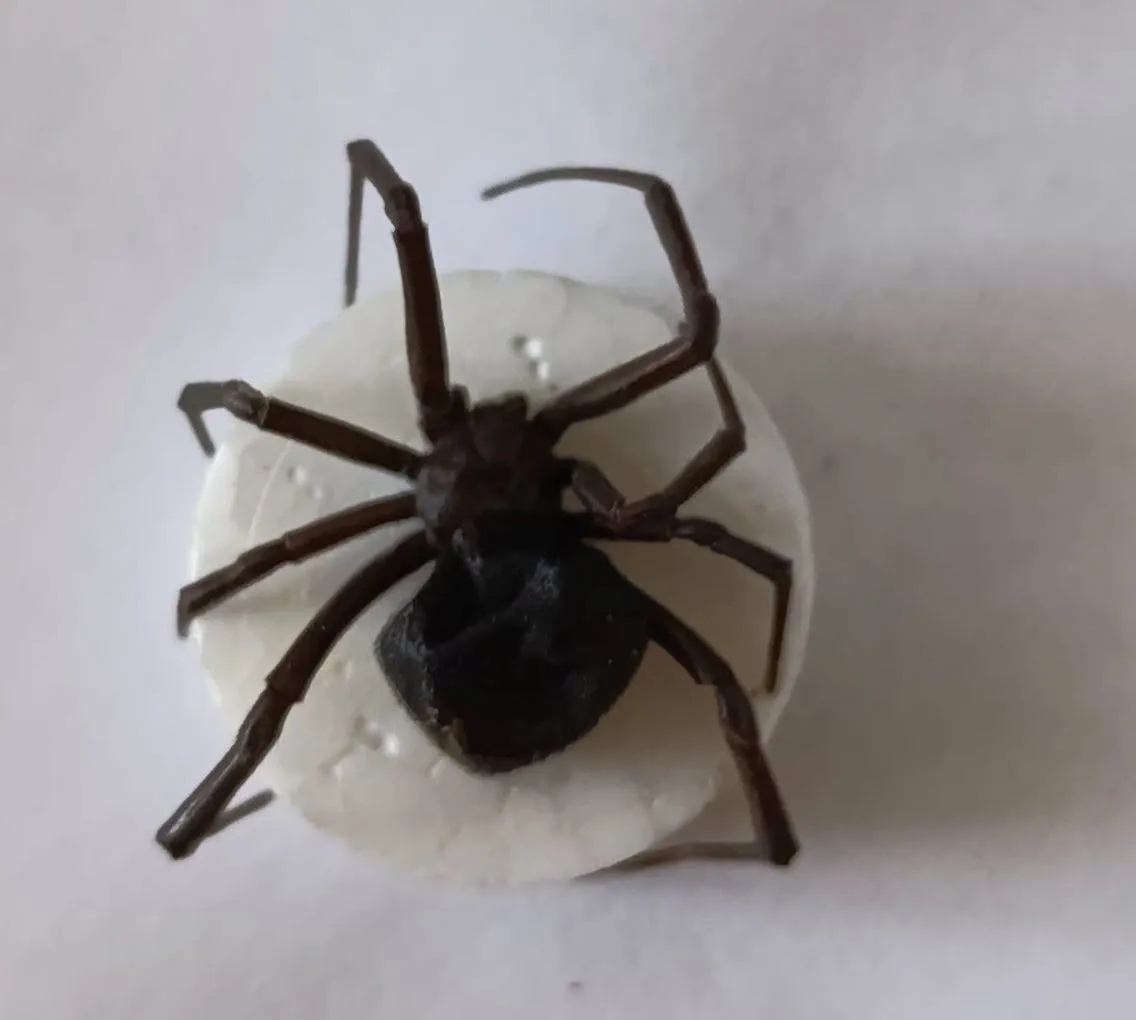
On August 7, the first case of a karakurt bite this season was reported in the Mykolaiv region. The victim is a woman born in 1966 who, following the incident on the beach of the Berezan Estuary, was hospitalized in the toxicology department of the Mykolaiv Emergency Medical Care Hospital. Doctors assess her condition as moderate.
Karakurt spiders have not disappeared—their active season is still underway. Bites are most commonly reported in the summer, especially in July and August.
What Is a Karakurt?
The karakurt is one of the most dangerous venomous spiders in Ukraine. An adult female is black in color and about the size of a cherry.
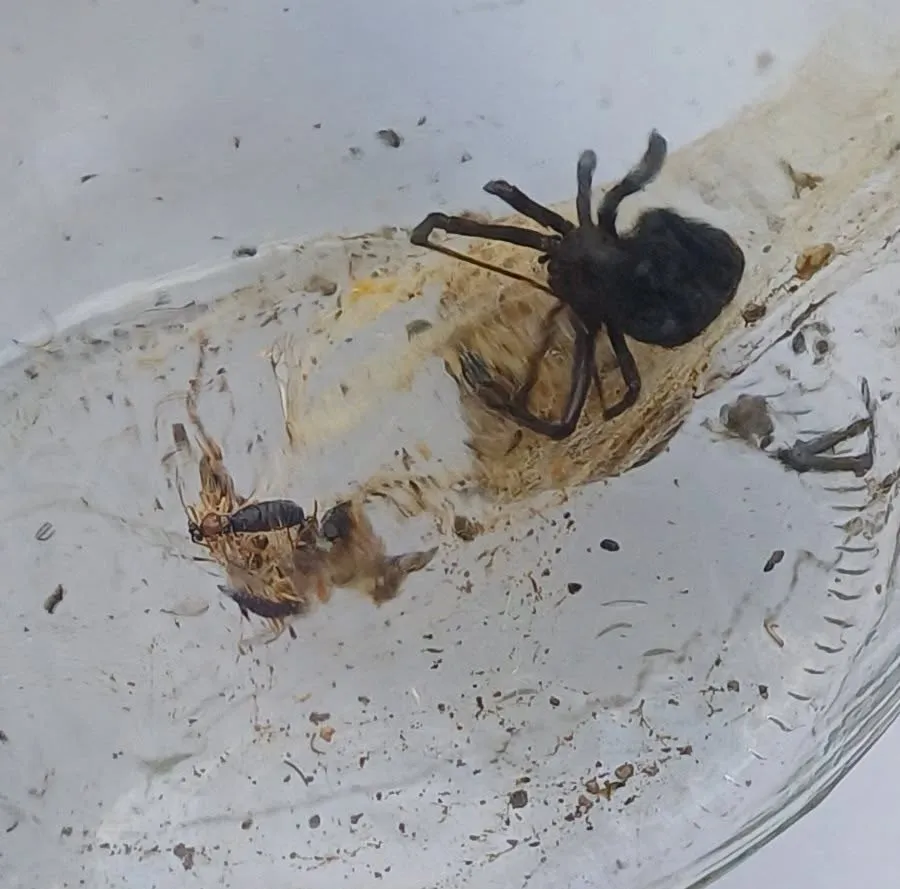
These spiders do not spin round webs and do not live on walls. They build haphazard webs close to the ground—at a height of 5–10 cm. Remains of insects can often be seen near the nest.
Where to Find the Karakurt
Karakurt spiders do not live only in the steppe. They can be found:
- in vegetable gardens and summer cottages;
- among construction debris;
- in sheds, garages, and outhouse toilets;
- on the sides of roads and railroad tracks;
- on vacant lots;
- in coastal areas of estuaries and the sea, among dry grass and sand.
Why Black Widows Are Active in Summer
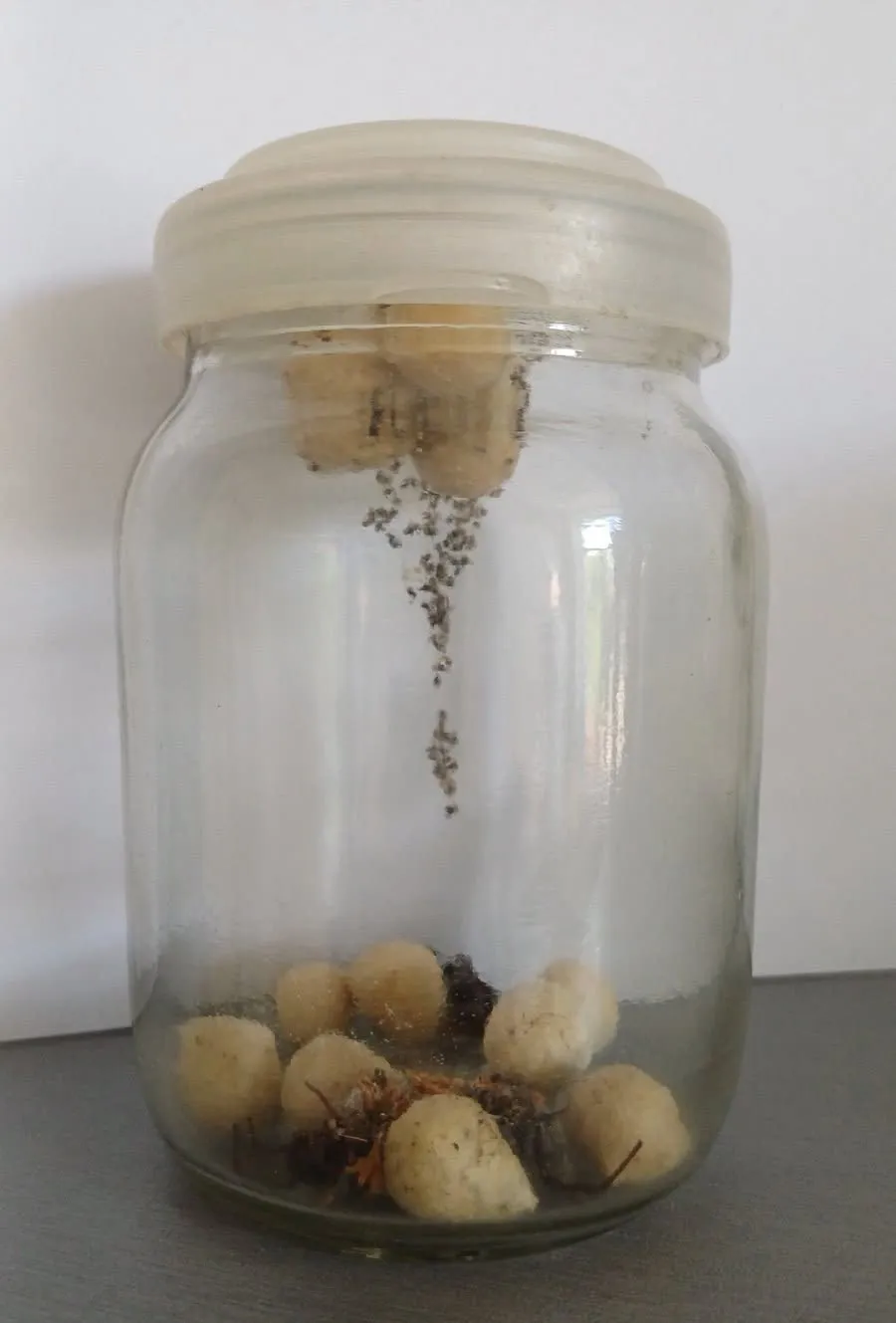
In the spring, young spiders emerge from their cocoons. By the end of June, they reach adulthood, and in July and August, the females reach their maximum size, actively feed, and lay cocoons.
It is during this period that bites occur most frequently.
Symptoms of a karakurt bite
A bite may be almost imperceptible and feel like a pinprick. There is often no severe pain or swelling at the bite site.
After 15–30 minutes, the following may appear:
- severe pain in the muscles and joints;
- pain in the chest, abdomen, or lower back;
- difficulty breathing;
- rapid heartbeat;
- weakness;
- severe anxiety.
In severe cases, symptoms may resemble a heart attack or acute abdominal conditions. The victim must be taken to a hospital as soon as possible.
First Aid for a Bite
Before medical help arrives:
- call an ambulance;
- administer an antihistamine if there are no contraindications;
- provide a warm drink;
- keep the victim warm.
How to Avoid a Bite
- Don’t sit directly on the sand or dry grass—use a mat.
- Inspect the area before resting.
- Do not walk barefoot through dry vegetation.
- Do not leave clothing or shoes on the ground; shake them out before putting them on.
- In private homes, do not leave doors open at night.
- Do not let children pick up spiders or unfamiliar insects with their hands.
Statistics on Bites in the Mykolaiv Region
According to data from the Mykolaiv Regional Center for Public Health, 155 cases of karakurt spider bites have been recorded in the region since 1995. The ages of the victims ranged from 2 years and 9 months to 88 years. Three cases resulted in death.
Most bites occurred:
- while working in the garden—85 cases (55.2%);
- near the home—24 cases (16%);
- while putting on shoes—14 cases (9.1%);
- while working in the fields—5 cases (3.2%);
- in private homes, on beaches, in vineyards, and other locations—isolated cases.
It is important to remember: humans are not prey for the black widow spider. The spider bites mainly when it is accidentally crushed or stepped on.
Source: Mykolaiv Regional Center for Disease Control and Prevention, Ministry of Health of Ukraine
It was previously reported that the 17th Ebola outbreak was recorded in the Democratic Republic of the Congo, which has already claimed the lives of 80 people. This time, the disease was likely caused by the little-studied Bundibugyo ebolavirus strain, rather than the more common Zaire ebolavirus.
The situation with the Ebola outbreak in the Democratic Republic of the Congo is rapidly deteriorating. The number of suspected cases has already exceeded 900, and medical workers are forced to operate amid armed conflict, attacks on hospitals, and a severe shortage of resources.


