
In Nigeria, Pate linked healthcare funding to tax reforms
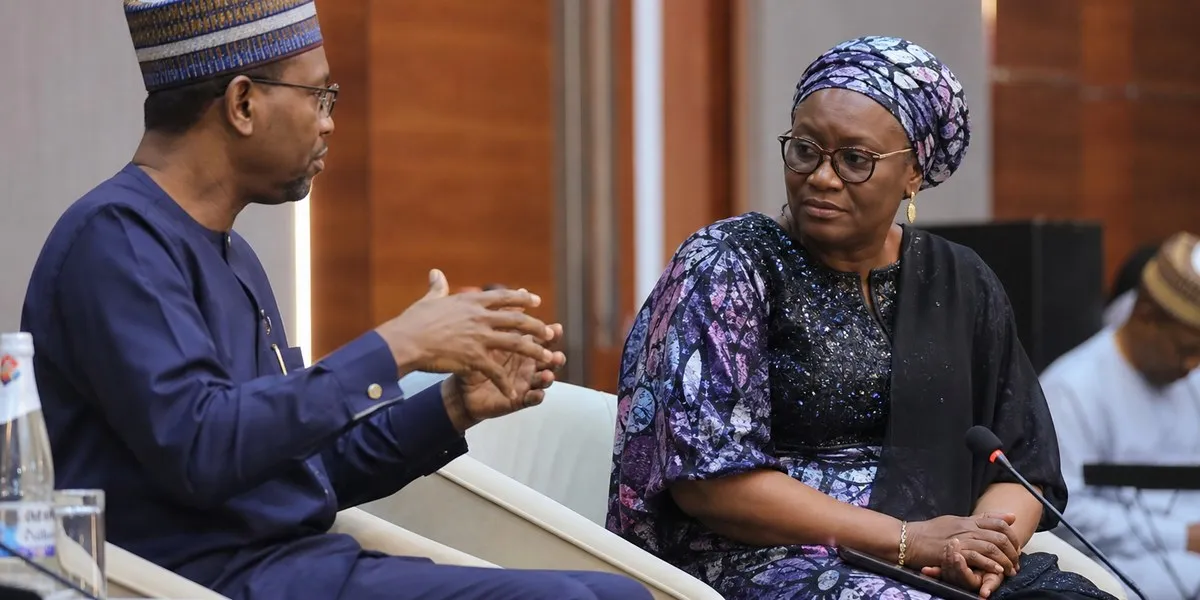
Nigeria’s Coordinating Minister of Health and Social Welfare, Muhammad Pate, said in Abuja that tax reforms and economic growth are important for expanding domestic financing of the healthcare system. He said this while discussing interim results of reforms in the sector, Premium Times Nigeria reports.
Moving away from donor dependence
According to Pate, Nigeria’s HIV response and immunization programmes have long received substantial support from bilateral, multilateral and charitable organizations. At the same time, shifting global priorities and financial pressure on donor countries mean that Nigeria cannot count on external funding remaining at its previous level.
The official noted that wealthier countries are also directing resources toward defence, tackling climate change and migration issues. In his view, Nigeria’s federal authorities, state governments and local authorities should take greater responsibility for investments in healthcare.
Revenue and fuel subsidies
Pate linked sustainable healthcare financing to the federal government’s broader economic reforms. He described the removal of the fuel subsidy and tax reforms as measures that could create additional fiscal space for social sectors. According to him, funds previously allocated to the subsidy could be used for healthcare and education if federal authorities and state governments prioritize these areas.
More current news is available on the UA.News Telegram channel Telegram.
He also stressed that tax reforms should not only concern taxes but also improve the collection of revenues already owed to the state. Pate said that Nigeria’s government revenue-to-GDP ratio stands at 7.8%, while the average, according to him, is 15%.
Aid coordination and local production
The Nigerian government seeks to align external aid with national and state health priorities. Pate said that support from development partners had sometimes been fragmented in the past. According to him, states have operational plans aligned with national goals, and the authorities hold quarterly performance discussions based on available data.
Separately, the minister mentioned investments in local pharmaceutical production and the manufacture of rapid diagnostic test kits. In his view, producing medical goods within the country could reduce dependence on imports, especially after the naira’s depreciation increased the cost of imported products.


