
New cancer drug developed in South Korea uses nanoparticles to reprogram immune cells
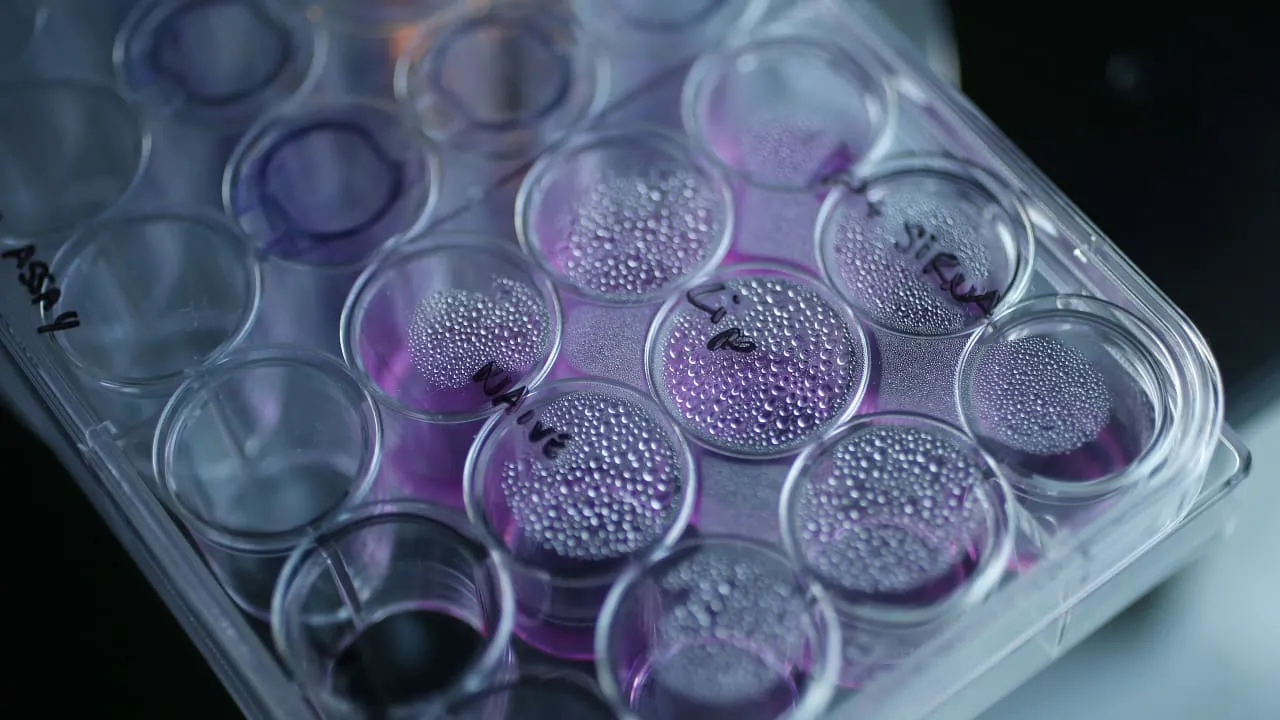
Researchers in South Korea have created an innovative cancer treatment involving injections that reprogram tumor immune cells into anti-cancer agents. This breakthrough in oncology demonstrated significant tumor growth suppression and activation of systemic immune response in melanoma mouse models.
Led by Professor Park Ji Ho from the Department of Bioengineering and Neuroengineering, the team developed a method where the drug injection directly into the tumor induces macrophages to produce chimeric antigen receptors (CAR). These CAR-macrophages become potent immune cells capable of precisely identifying and attacking cancer cells. CAR is an artificially engineered protein receptor that enhances immune cell specificity.
This approach paves the way for a new generation of cancer immunotherapy, potentially improving treatment outcomes and reducing side effects. Further studies and clinical trials are needed to evaluate efficacy and safety in humans.


