
Adelaide researchers study more precise approaches to radiation therapy for brain cancer
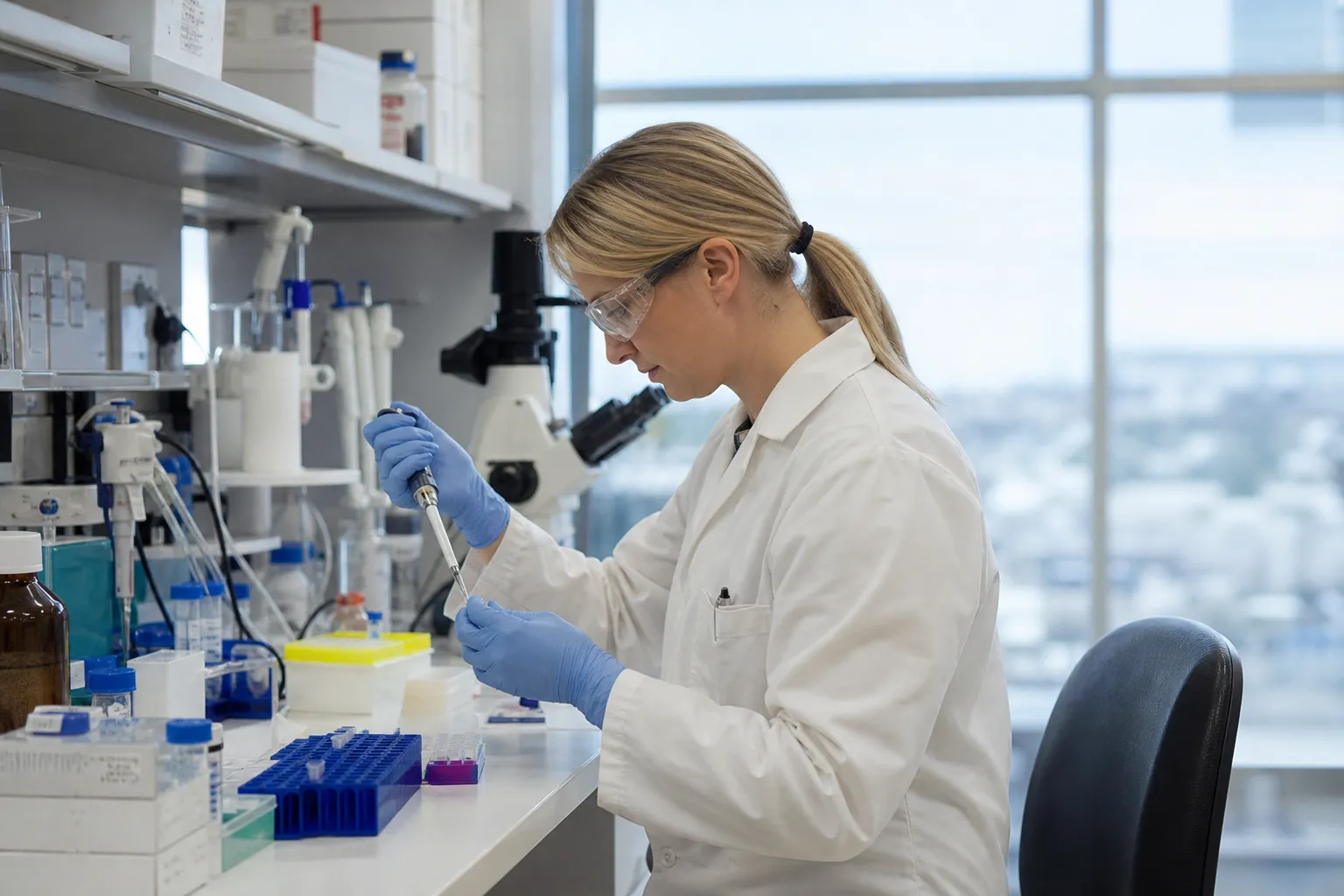
A research group in Adelaide is studying how to improve the effectiveness of radiation therapy for brain cancer to destroy cancer cells while minimizing the impact on healthy tissues and the immune system. This was reported by ABC News Australia.
The team received $240,000 as the first group funded under a new national initiative by the Mark Hughes Foundation Brain Cancer Research Centre. The program is intended to accelerate the development of new approaches to treating cancer and brain tumors.
Studying the effects of radiation
Professor of biophysics Ivan Kempson said the project will primarily focus on studying the interaction of radiation with cancerous and normal cells at the microscopic level. The scientists are using specialized tools which, according to the university, make it possible to measure radiation-induced DNA damage with previously unattainable precision.
More current news is available on the UA.News Telegram channel Telegram.
According to Kempson, despite significant advances in radiotherapy over decades, brain cancer treatment has not demonstrated the same progress as therapies for other malignancies. He noted that survival rates have changed little over the past 35 years: only two out of ten patients survive for more than five years.
Patient experience
Science student Simran Singh is observing the team's work. She was diagnosed with her first brain tumor at the age of 12 after suffering severe headaches. Following surgery, she had six months of remission, but at the age of 17, the tumor returned and spread.
Doctors diagnosed Singh with neurocytoma, a rare type of brain tumor. Australian doctors recommended proton therapy, but it was unavailable in the country at the time, so the patient traveled to Florida in the United States for treatment. Kempson said the goal of the new research is to improve patients' survival and quality of life after treatment.


