
Frequent tripping may be a sign of hereditary CMT neuropathy
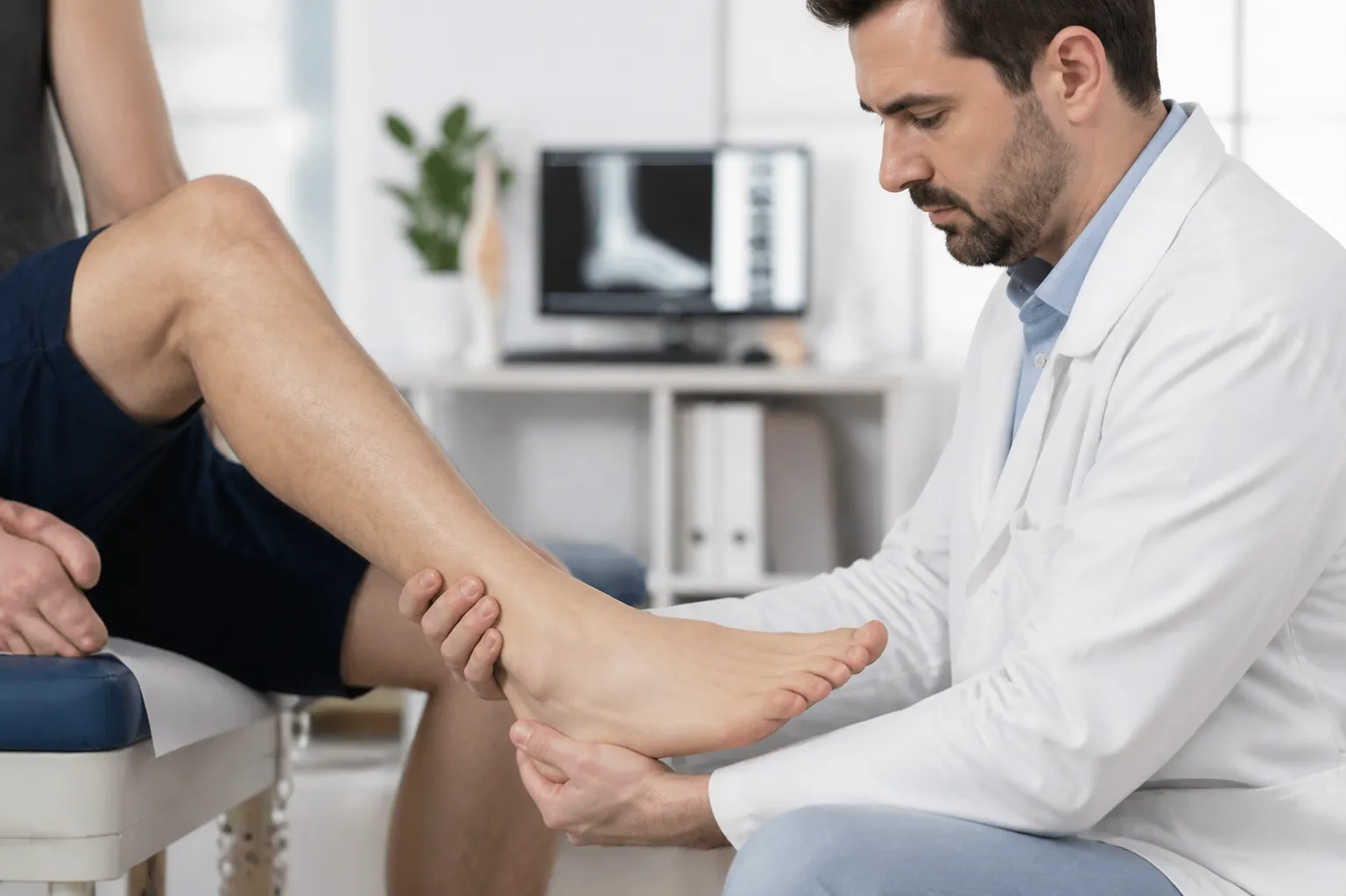
Frequent tripping, ankle sprains, numbness in the feet and lower legs, as well as hand weakness, may be manifestations of Charcot-Marie-Tooth disease (CMT), a hereditary neuropathy that affects peripheral nerves. This was reported by Channel NewsAsia, citing Singaporean neurologists.
CMT is caused by genetic mutations that damage the nerve’s myelin sheath or the nerve fibers themselves. As a result, nerve signals are transmitted less efficiently, gradually leading to muscle weakness, muscle atrophy and loss of sensation. The disease is lifelong and progressive and may make walking, maintaining balance, using the hands and carrying out everyday tasks more difficult.
When symptoms may appear
According to Newman Cheng, a consultant at Singapore’s National Neuroscience Institute, CMT symptoms may occur from early childhood to late adulthood. In children, the disease may be accompanied by delayed motor development, reduced muscle tone, toe walking, scoliosis or other pronounced skeletal deformities.
The most typical onset is during adolescence or young adulthood: foot deformities, ankle weakness and walking difficulties gradually develop. At the same time, some people develop symptoms in their 40s or 50s, or later, and they may progress slowly over many years. The severity of the condition varies significantly even among members of the same family.
More current news is available on the UA.News Telegram channel Telegram.
Inheritance and diagnosis
More than 100 genes associated with different forms of CMT are known. The most common subtype worldwide is CMT1A, caused by duplication of the PMP22 gene; it accounts for approximately 40–50% of all cases. The disease is most often inherited in an autosomal dominant manner: a person with an altered gene has a 50% chance of passing it on to each child.
Other forms may be inherited in an autosomal recessive manner, when a child receives an altered copy of the gene from both parents, or may be linked to the X chromosome. According to doctors, the X-linked type accounts for around 10–15% of cases, with symptoms generally more severe in men. Sometimes mutations arise without a family history of the disease. Genetic testing and counselling help determine the genetic subtype.
When to see a doctor
Isolated incidents of tripping or sports injuries do not necessarily indicate CMT. However, persistent and progressive difficulties walking, weakness in the feet or hands, numbness, reduced sensation, or an increasing inability to lift and hold both ankles against gravity are reasons for medical evaluation. It is also advisable to see a doctor if there is a high arch of the foot or other foot deformities, as well as relatives with similar symptoms or a diagnosis of CMT.
There are currently no medicines that cure most forms of CMT, but patients may benefit from physiotherapy, occupational therapy, ankle-foot orthoses and other assistive devices. Significant foot deformities may require an orthopedic assessment, while neuropathic pain may be treated with pain relief. Doctors also note that diabetes, excessive alcohol consumption and vitamin B12 deficiency may further worsen nerve function.


