
China's imports grew more slowly than expected, while exports gained 25%
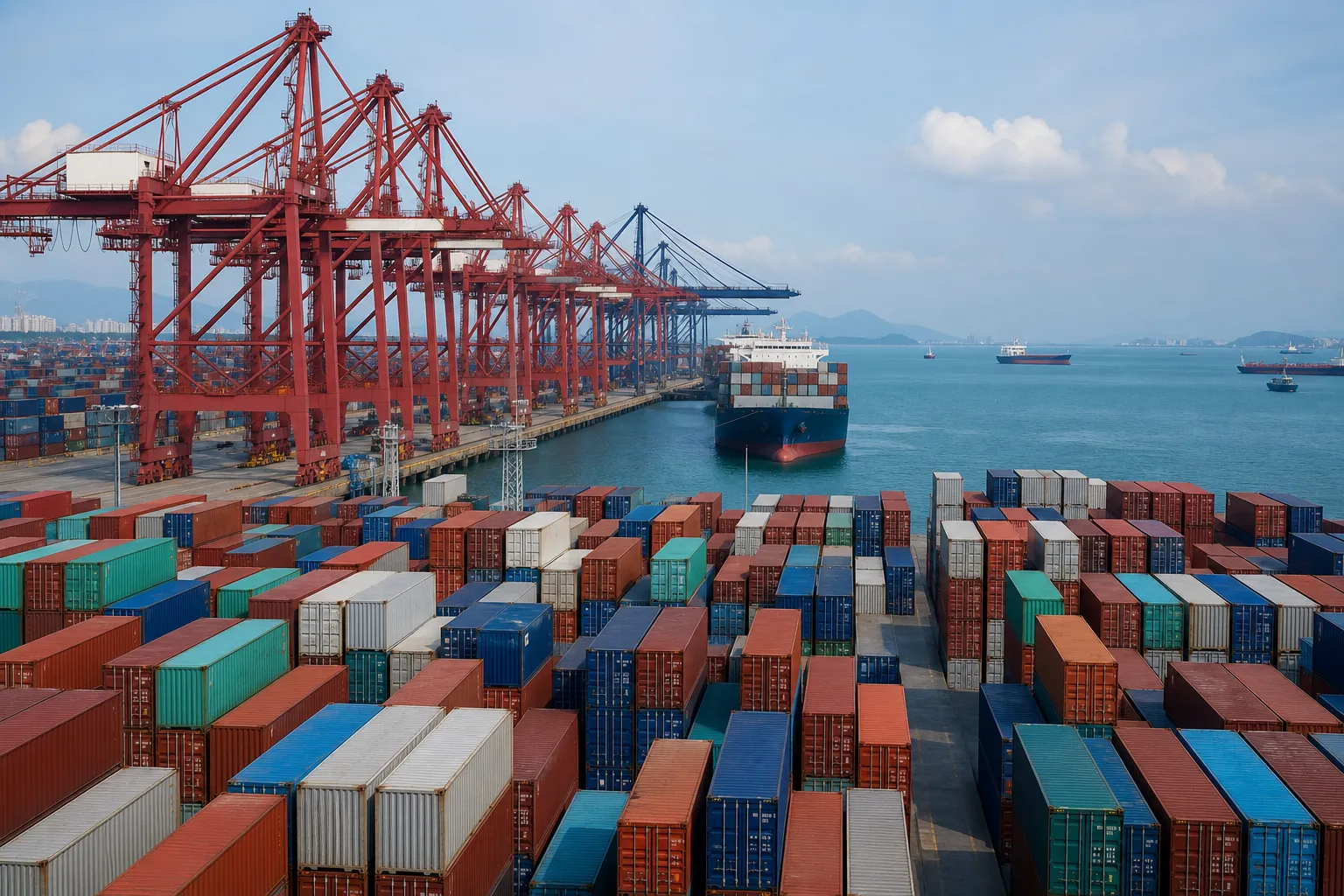
In China, exports in dollar terms rose by 25% year-on-year in August, while imports increased by 28.2%, which was below economists' expectations. CNBC Top News reported this, citing official Chinese customs data.
Analysts surveyed by Reuters had forecast a 30% increase in Chinese imports. At the same time, the pace of import growth accelerated compared with July, when it stood at 27.5%. Exports grew by 23.9% in July, while the August result met analysts' forecast.
Trade surplus
China's foreign trade surplus increased to $119.09 billion in August from $112.5 billion in July. Exports became the main driver of growth in the world's second-largest economy. Higher global demand for high-tech components amid the buildout of artificial intelligence infrastructure partly offset the impact of geopolitical shocks, weak domestic demand and declining investment.
Chinese authorities have set this year's GDP growth target range at 4.5–5%. However, after a strong start to the year, growth slowed to 4.3% in the second quarter, the lowest level in more than three years. Data released last month indicated a further weakening of domestic demand and investment in July, while manufacturing activity contracted for the second consecutive month.
More current news is available on the UA.News Telegram channel Telegram.
Calls to rebalance trade
The significant growth in Chinese exports has drawn the attention of Western trade partners, which are calling on Beijing to increase domestic demand and rebalance trade. Finance ministers of G20 countries issued a joint statement at a meeting in the United States criticizing economies that rely excessively on exports; China was the only country that did not agree with it.
Beijing rejected the trade complaints, saying they are being used to pressure and constrain China. Pan Gongsheng, governor of the People's Bank of China, said at the G20 summit that the country had never deliberately sought a trade surplus and had not devalued its currency to boost competitiveness. He also said that the Chinese market would remain open to foreign businesses.
Economists also see the possibility of further easing of China's monetary policy this year. Shan Guo, a partner at Hutong Research, expects one or two interest rate cuts by the end of the year.




