
Weak consumption in China heightens tensions over exports
In China, growth in household income has slowed significantly, while domestic consumption remains weak amid high export volumes. This is intensifying international attention to the country’s trade surplus and its economic policy, CNBC reports.
Income is growing more slowly
According to Wind, before 2020, disposable income among residents of Chinese cities grew by about 10% or more annually. This was more than twice the average figure in the United States, where growth was around 3%.
In 2025, the growth rate of disposable income among China’s urban residents slowed to 4.3%. In the United States, the figure was 3.8%.
Macquarie economist Larry Hu attributes much of the slowdown to falling housing values. In his estimate, from their 2021 peak, property prices in China fell to 2016 levels, losing 85% of the gains accumulated during 2012–2021. Hu noted that this was significantly more than the 47% decline in U.S. housing prices during the housing crisis.
More current news is available on the UA.News Telegram channel Telegram.
Exports and the trade surplus
At a meeting of G20 finance ministers in the United States, debate intensified over whether Chinese exports and the PRC’s economic policy had led to job losses in other countries. The joint statement included a call to eliminate distortions that restrain domestic consumption. Beijing objected to this point and three other provisions of the document, becoming the only G20 member to express disagreement.
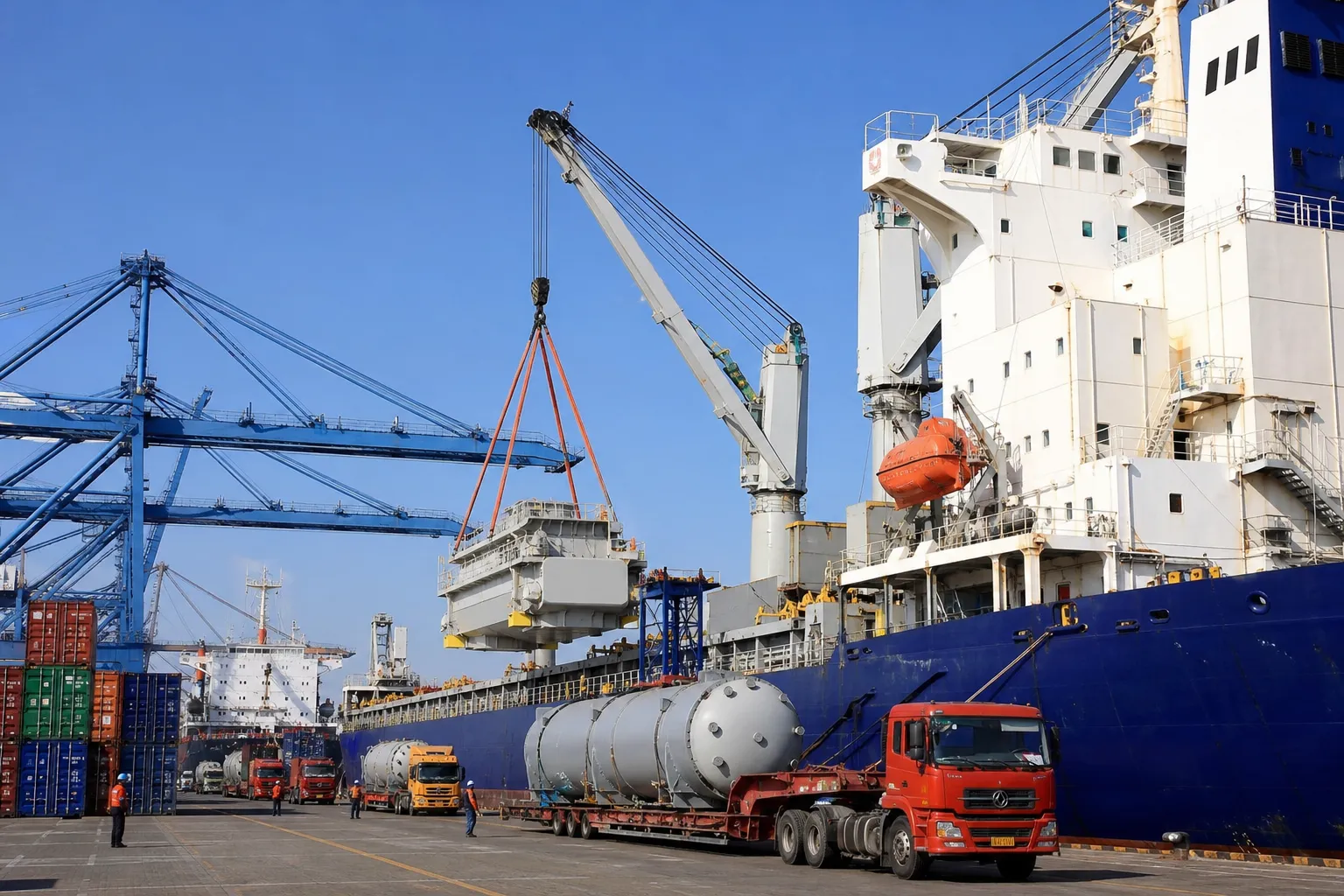
China’s imports in June grew at their fastest pace in five years, but this was insufficient to noticeably reduce the trade surplus. Demand for Chinese components for data centers supported exports, while shipments of air conditioners to Europe increased by more than 40% due to the heat and reached a record level.
Zong Liang, a former chief researcher at Bank of China, said that China had not intended to deliberately increase exports. He also noted that policies announced by Beijing to stimulate domestic demand could take up to five years to produce results.
A People’s Bank of China survey completed in 2025 showed that education was Chinese consumers’ top spending priority, followed by healthcare and travel. Spending on entertainment and shopping ranked lower, which, according to CNBC, is consistent with weak retail sales of goods.


