
OPEC+ countries have agreed to increase oil production
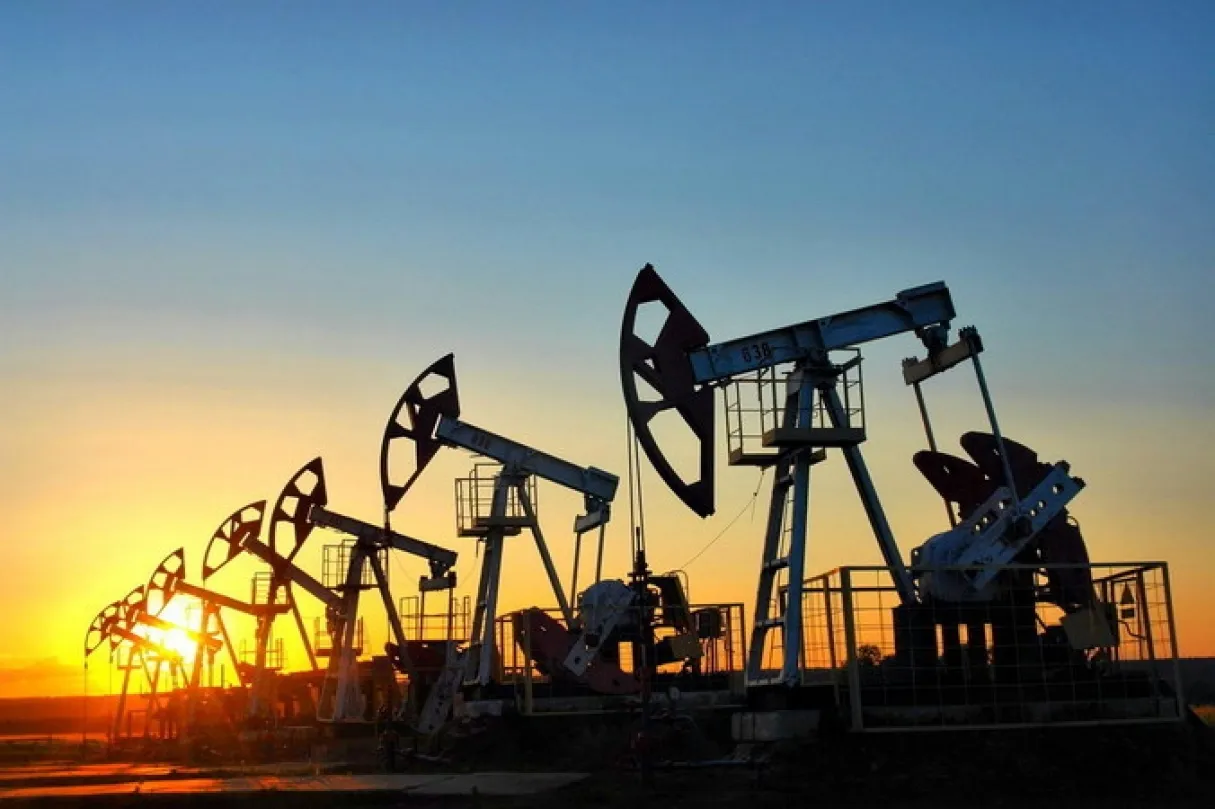
OPEC+ countries have agreed to a further increase in oil production, but experts describe this decision as purely theoretical due to the blockage of key logistics routes in the Middle East.
Following an online meeting, the seven member states of the alliance, led by Saudi Arabia and Russia, agreed to raise the combined production target by 188,000 barrels per day starting in July. Iraq, Kuwait, Kazakhstan, Algeria, and Oman have also joined this initiative.
Analysts note that most participants in the agreement will not be able to implement this symbolic increase in production in practice at this time. The main obstacle is the war between the U.S. and Israel and Iran, now in its fourth month, as a result of which Tehran has blocked the strategically important Strait of Hormuz. About 20% of global oil and liquefied natural gas (LNG) supplies from the Persian Gulf were transported via this route prior to the conflict. In addition, Russia’s own oil infrastructure is facing serious difficulties: in May, its production fell to a 10-month low due to intensified precision strikes by Ukrainian drones and active attacks on Russia’s “shadow fleet.”
To curb the sharp rise in global fuel prices, the U.S. was forced to temporarily ease sanctions pressure on Russian oil already at sea, extending the relevant waiver for another 30 days. The situation on the global market is currently being kept from descending into chaos by increased supply of crude from the U.S., reduced imports by China, and the use of reserve stocks by leading nations. Despite this, the cost of gasoline, diesel, and jet fuel remains high, placing significant economic pressure on consumers. The next OPEC+ meeting to coordinate further steps is scheduled for July 5.
This is reported by Bloomberg.
The Czech Republic plans to transit Azerbaijani gas and oil through Ukrainian territory in the future. This issue has already been discussed at the leadership level of both countries.
The Trump administration is preparing to sell oil and gas licenses in a protected region of Alaska that covers hundreds of thousands of hectares of the Arctic National Wildlife Refuge.


