
In the tech world, it’s commonly believed that the big money is made from the future. Companies are investing billions of dollars in artificial intelligence, electric vehicles, robots, and new digital platforms. At the same time, however, another strategy is becoming increasingly profitable—a return to the things, images, and stories that consumers once loved.
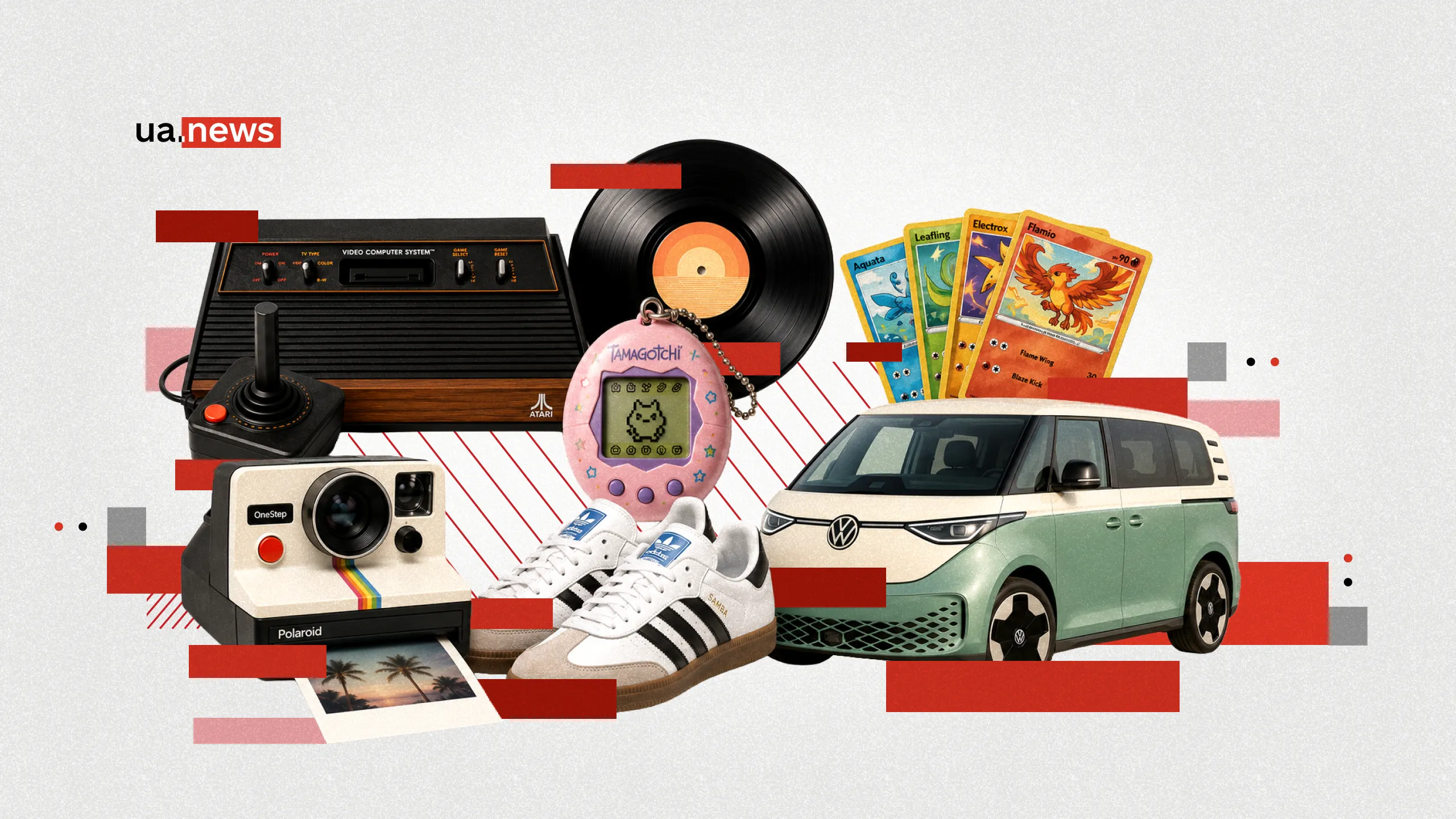
Old video games are getting new graphics, vinyl records are once again selling in the millions, Tamagotchis are making a comeback in shoppers’ pockets, Adidas is digging up sneaker models from its archives, and Volkswagen is creating an electric car reminiscent of a hippie-era minivan.
Products from the past appeal not only to people who remember them from their childhood. Generation Z is discovering film cameras, retro clothing, and game consoles—for them, the culture of the 1990s and early 2000s has already become a distinct aesthetic.
The return of Atari is yet another confirmation of the profitability of this model. The company, which filed for bankruptcy more than a decade ago, ended the fiscal year with its highest revenue in a decade and returned to profitability. It wasn’t expensive technological experiments that helped it, but rather classic games, familiar names, and the acquisition of old intellectual property.
UA.News explains how nostalgia has turned into a full-fledged business model, why it’s profitable for companies to revive old brands, and how much people are willing to pay for the chance to feel like kids again.
How Old Video Games Brought Profits Back to Atari

Atari was one of the leading icons of the early video game industry. Founded in 1972, the company helped shape the home console market, but later failed to withstand the competition, changed hands several times, and lost its former influence.
In 2013, Atari’s U.S. divisions filed for bankruptcy. It seemed that the brand would remain merely a footnote in video game history. However, the new management decided not to compete with Sony, Microsoft, or Nintendo on their own turf, but rather to leverage Atari’s main asset—its past.
At the end of the fiscal year, the company generated 56 million euros in revenue—the highest in over a decade—and returned to profitability.
Atari’s strategy is built on reviving classic franchises, releasing remastered versions of older games, and acquiring studios and game libraries. The company acquired the rights to a number of projects from other publishers, expanded its presence in the mobile segment, and continued to release devices and collectibles aimed at retro gaming fans.
The economic logic behind this model is clear. Developing a new major game can cost hundreds of millions of dollars and offers no guarantee of success. An older franchise already has a recognizable name, an established audience, and emotional value. All the company has to do is adapt the product for modern platforms, update the graphics, and reintroduce it to consumers.
Atari has effectively turned its own archive into its main asset.
The New “Harry Potter”: How Studios Are Selling Familiar Stories for a Second Time
Movie studios and streaming platforms are particularly active in leveraging the nostalgia economy. Instead of taking risks with unknown worlds, they’re bringing back characters who already have millions of fans.
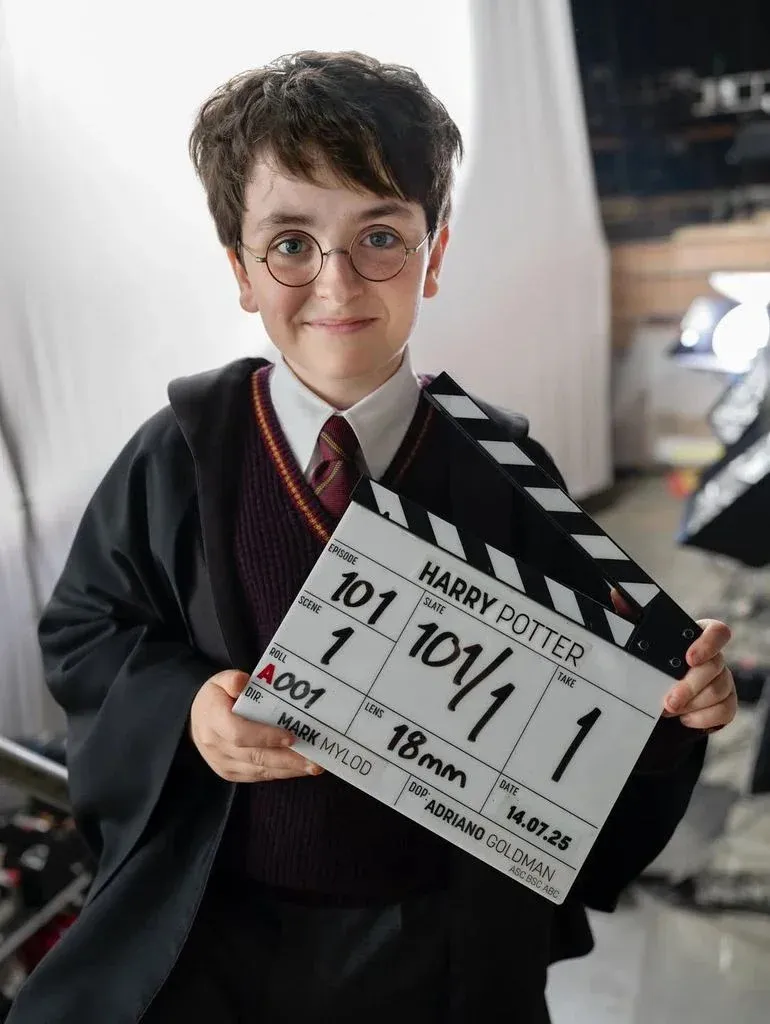
One of the biggest such projects is HBO’s new Harry Potter series. The studio decided to adapt all seven of J.K. Rowling’s books for the screen once again, even though the final installment of the original film series was released in 2011.
The first season is titled *Harry Potter and the Sorcerer’s Stone*. According to official information from Warner Bros. Discovery, its premiere is scheduled for Christmas 2026.
For the company, this is much more than just another series. The new adaptation is expected to revitalize the entire franchise ecosystem: books, audiobooks, games, theme parks, souvenirs, clothing, and licensed merchandise.
The demand for audiobooks was particularly telling. After Spotify made the entire series available to premium users, listens to the first book increased by 551% in its debut week, and listens to the second book in the U.S. rose by 1,227%.
The reboot allows the studio to engage two audiences simultaneously. Adult viewers get the chance to revisit the stories of their childhood, while children are introduced to them through new actors and a modern television format.
At the same time, the company isn’t simply remaking the old movies. The series format allows for a much more detailed adaptation of the books’ plots and extends the project’s commercial lifespan for many years.
Barbie: How an Old Doll Became the Foundation of a Media Empire
Barbie is another prime example. The doll remained one of Mattel’s most famous products, but for some of the younger audience, it was increasingly associated with the past.
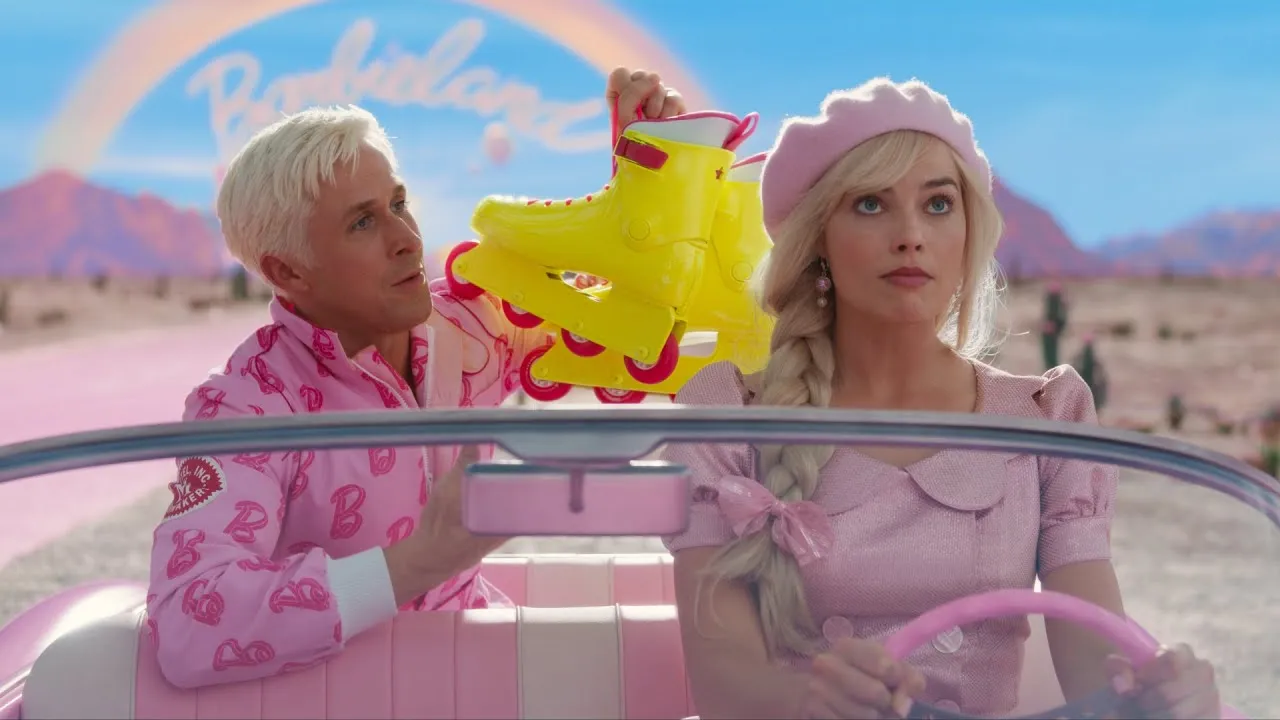
Greta Gerwig’s film transformed the familiar brand into a global cultural phenomenon. The movie grossed approximately $1.5 billion at the global box office, became Warner Bros.’ biggest box office hit, and brought Barbie’s pink aesthetic back into fashion.
Mattel profited not only from its involvement in the film. Dozens of collaborations with manufacturers of clothing, cosmetics, accessories, and home goods emerged around the film’s premiere. The company effectively transformed Barbie from a single toy into a media platform.
In Mattel’s official financial report, 2023 was called a major milestone, with the film’s extraordinary success highlighted separately.
In its annual report, the company also noted that the theatrical release of *Barbie* had a positive impact on its financial results for the second half of the year. In particular, it contributed to the expansion of Mattel’s gross margin.
This success reinforced Mattel’s strategy of transforming itself from a toy manufacturer into an intellectual property owner. Following Barbie, the company began more actively developing films based on its other brands, including Hot Wheels, Polly Pocket, and American Girl.
However, the story of Barbie also highlights an important limitation of nostalgia: a recognizable name alone is not enough. The film succeeded thanks to a modern script, self-deprecating humor, a strong advertising campaign, and its ability to address current issues. The legacy brand brought attention to the project, but on its own, it would not have guaranteed box office success.
Pokémon: How Children’s Trading Cards Became a Product for Adults

Pokémon has managed to achieve what nearly every owner of a major franchise dreams of: retaining its original audience while constantly attracting new one.
The first Pokémon games were released in Japan in 1996. Since then, the franchise has expanded to include video games, animated series, movies, mobile apps, clothing, souvenirs, and trading cards.
The trading cards, in particular, demonstrate the power of nostalgia. For children, they remain part of the game, while for adults, they have become a collectible, a status symbol, and, in some cases, a speculative asset.
Buyers are drawn to rare characters, limited editions, and the chance to find a valuable card in a regular pack. Unboxing videos have become popular on social media, and old, unopened sets and cards in good condition are sold at specialized auctions.
Pokémon’s business model isn’t limited to a single generation. Adults who watched the animated series and played the first games in the 1990s are now buying merchandise for themselves and introducing their children to the franchise.
As a result, nostalgia doesn’t replace the brand’s evolution—it works alongside it. The Pokémon Company continues to release new games and card sets, but familiar characters remain at the heart of the franchise—most notably Pikachu, Charizard, and other heroes from the first generations.
Tamagotchi: How a Simple Toy Survived the Rise of Smartphones
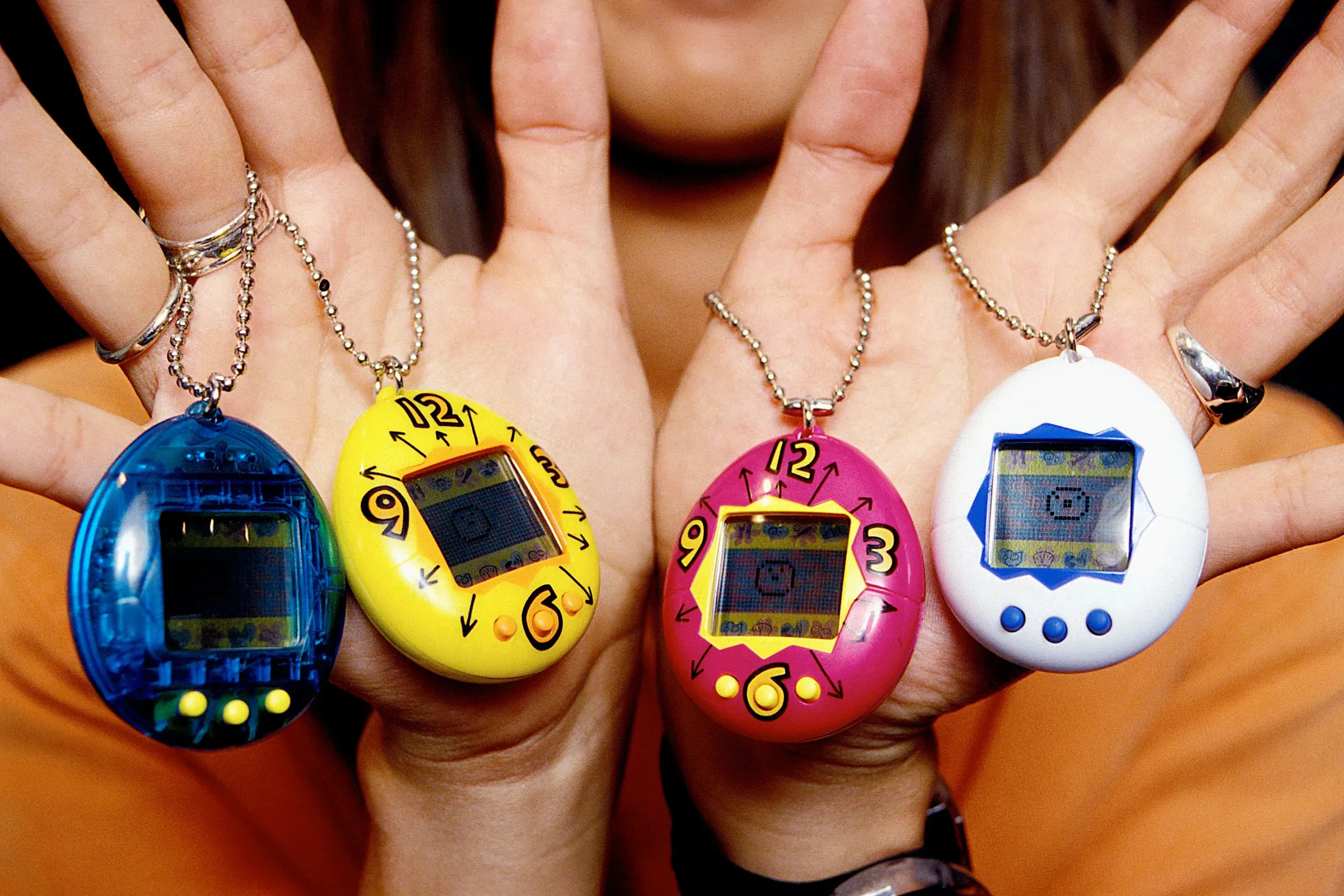
In 1996, the Japanese company Bandai released a small, egg-shaped electronic device. Inside lived a virtual pet that needed to be fed, cared for, and entertained.
Tamagotchi quickly became an icon of the late 1990s. However, after the advent of smartphones, it seemed that no one would need a simple toy with a small screen anymore.
Bandai, however, did not abandon the brand. The company periodically re-released classic models, added color displays, wireless connectivity, new characters, and partnerships with other franchises.
According to the official Tamagotchi website, as of July 2025, more than 100 million devices had been shipped worldwide.
Moreover, the company didn’t simply reissue an old toy. The new versions allow users to interact with other devices, unlock additional characters, and use features that weren’t available in the original models.
Tamagotchi illustrates one of the key principles of the nostalgia economy: the familiar form remains, but the product constantly adapts to new expectations.
For adult audiences, the device serves as a reminder of childhood. For younger users, it offers an unusual alternative to a smartphone—a simple toy that doesn’t require an endless news feed or a constant connection to social media.
Vinyl Is Beating CDs Again

The return of vinyl records initially seemed like a fleeting fad for collectors. In the world of Spotify, Apple Music, and YouTube, a large physical medium that requires a separate player seemed doomed.
However, vinyl continues to grow.
According to a report by the Recording Industry Association of America, 46.8 million vinyl records were sold in the U.S. in 2025, compared to 29.5 million CDs. Revenue from vinyl exceeded $1 billion and was more than three times that of CDs.
People aren’t just paying for the ability to listen to music. They can instantly access the same track on a streaming service. When buying a record, the consumer receives a physical item, a large cover, inserts, collectible artwork, and the ritual of listening itself.
Vinyl requires more attention. You have to take out the record, place it on the turntable, lower the needle, and flip it over when one side is finished. For some buyers, this very slowness is an advantage.
The music industry actively supports this demand. Artists are releasing colored records, anniversary reissues, exclusive covers, and limited editions. A single album may be released simultaneously in several physical versions aimed at collectors.
Thus, vinyl is no longer just a way to store music. It has become a souvenir, a piece of home decor, and proof of belonging to a community of the artist’s fans.
Polaroid and Instax: Why Photos Are Becoming Physical Again
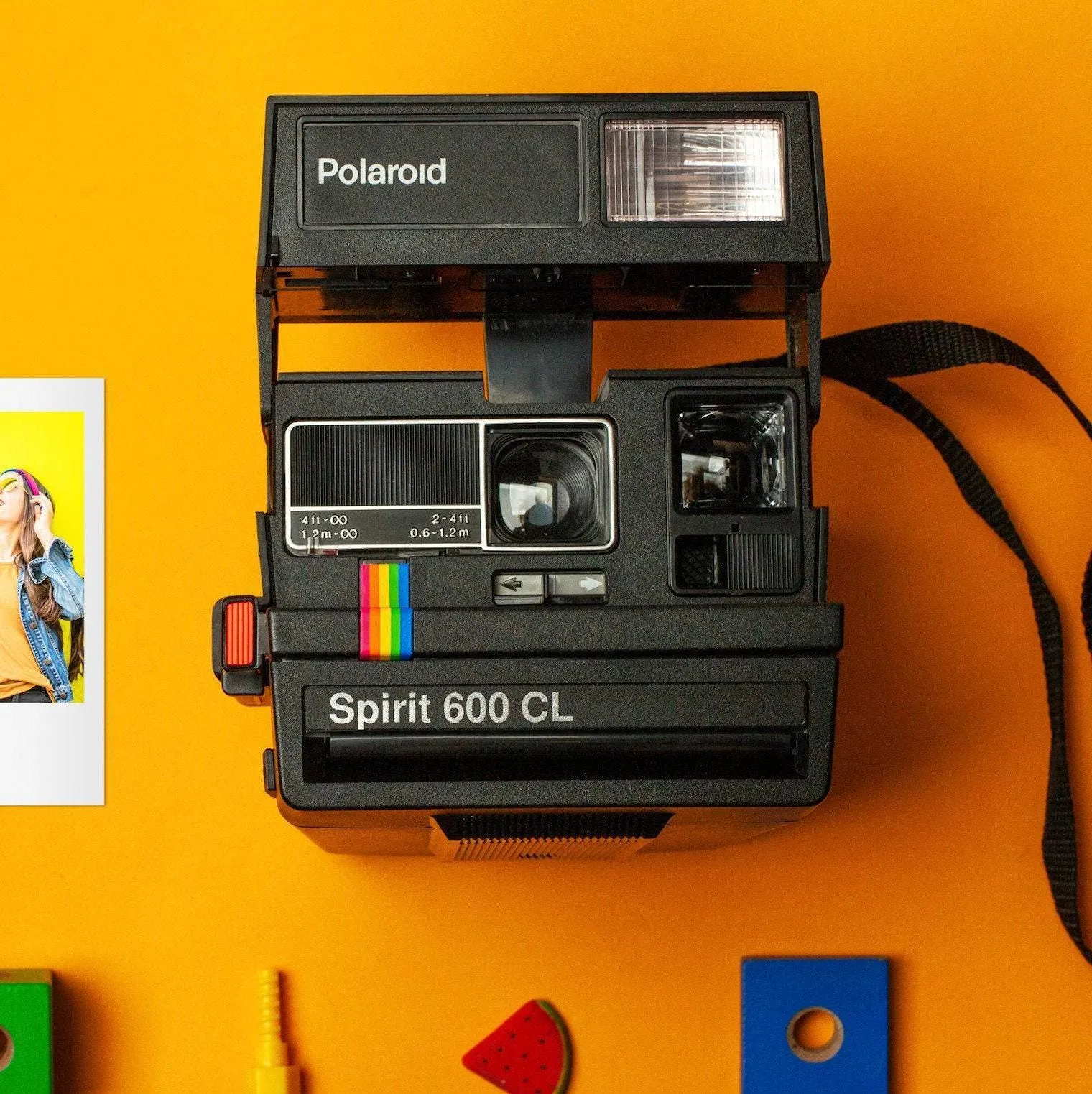
Instant photography has undergone a similar transformation. With the widespread adoption of digital cameras and smartphones, Polaroid’s business lost its main competitive advantage.
Why pay for a cartridge with just a few shots when a phone lets you take hundreds of photos and edit them instantly?
However, digital photography has become so accessible that individual photos have lost some of their value. Users accumulate thousands of images that they often never look at again. An instant camera, on the other hand, produces only one physical print that cannot be completely retouched or endlessly copied.
After the closure of the last Polaroid factory in the Netherlands, a group of instant photography enthusiasts founded The Impossible Project and salvaged the film production equipment. The project subsequently brought the Polaroid brand back to the market.
At the same time, Fujifilm has built a significantly larger mass market. In April 2025, the company reported that cumulative sales of Instax-series cameras and printers had exceeded 100 million units in more than 100 countries.
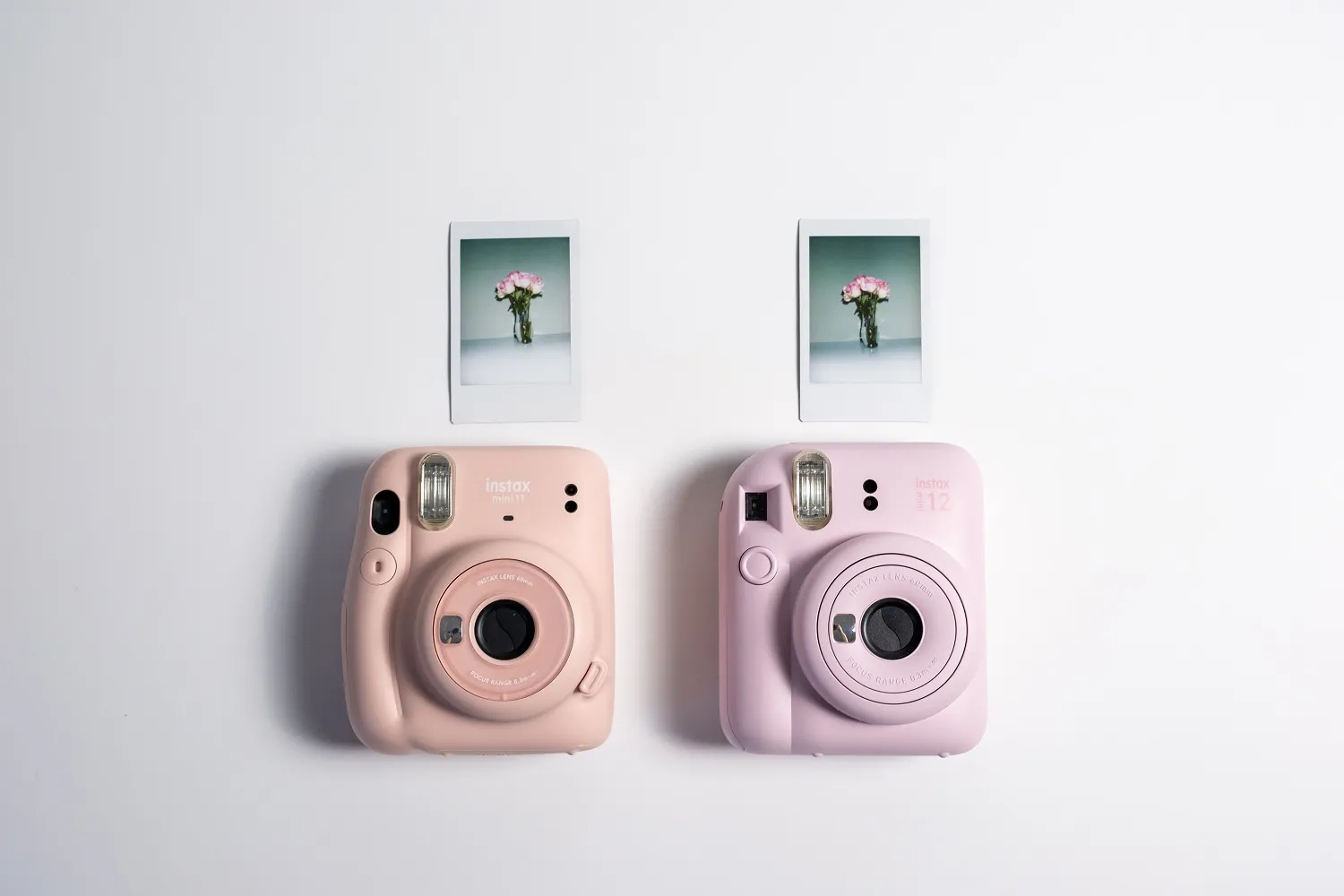
Instax’s success stems from its blend of analog and digital experiences. Some models allow users to preview the shot first, connect to a smartphone, or print photos from a mobile app. At the same time, users still receive a physical print that they can give as a gift, display on a table, or add to an album.
It’s particularly interesting that Generation Z is actively embracing instant and film photography. For them, these cameras aren’t always a return to a personal past. Rather, they’re a way to move away from perfectly edited photos and an endless digital archive.
So, nostalgia can work even on people who didn’t live during the era of the original product. They aren’t buying their own memories, but rather a romanticized image of someone else’s past.
Adidas Samba: How Vintage Sneakers Became a Global Trend
Fashion has always evolved in cycles, but social media has significantly accelerated the return of old styles. An item that was considered outdated just a few years ago can quickly appear on bloggers, celebrities, and in mass retail.
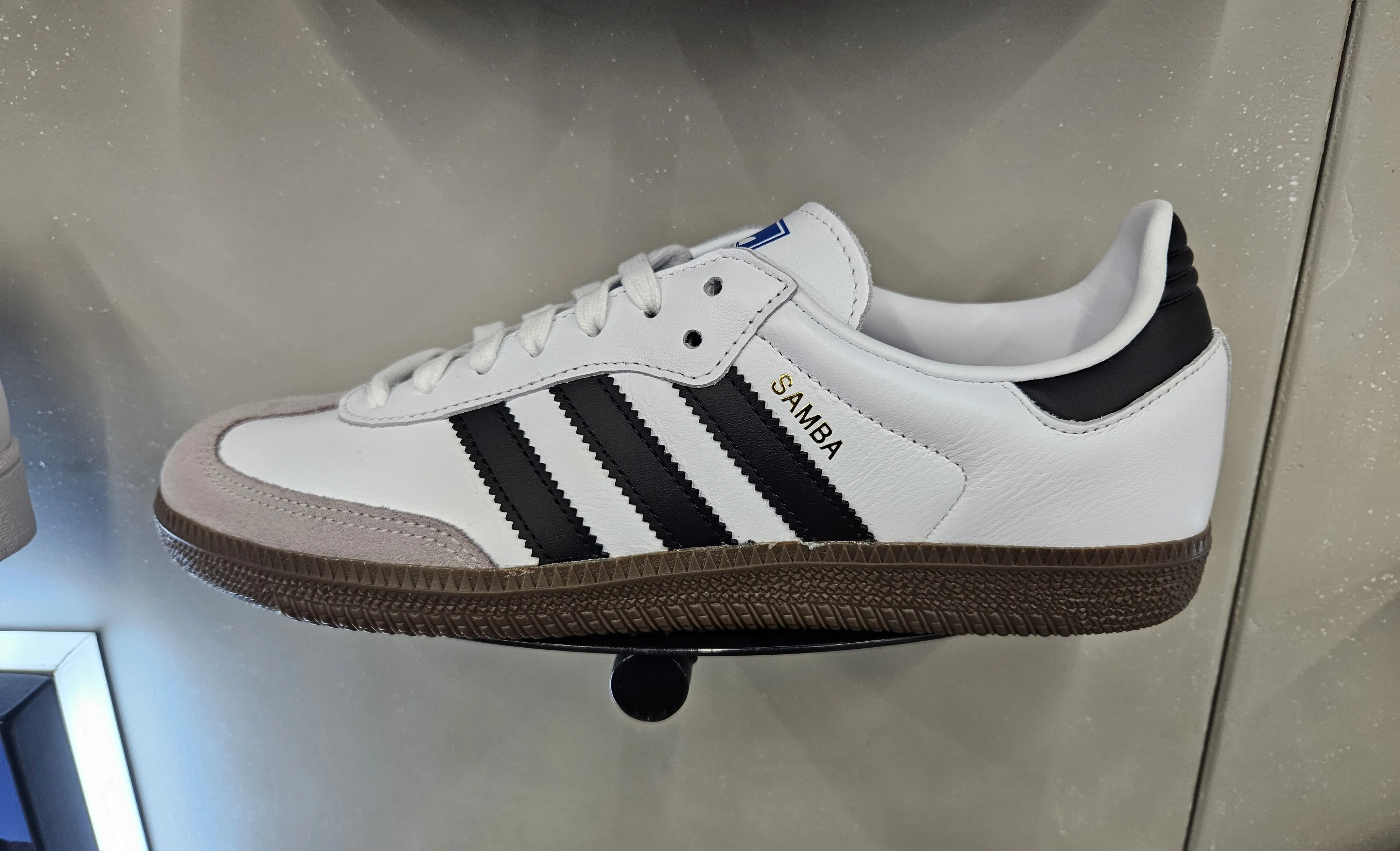
One of the prime examples is the Adidas Samba. The model was originally developed in the mid-20th century as soccer cleats, and later became part of street, music, and fan culture.
In the 2020s, Adidas reintroduced the Samba as a casual sneaker. Along with the Gazelle and Spezial, the model became one of the main drivers of the company’s revival.
Even in 2026, demand for retro models remained significant for Adidas, although the popularity of the Samba and Gazelle began to gradually wane. During its second-quarter earnings report, the company announced revenue growth to 6.74 billion euros, but investors reacted negatively to the slowdown in certain segments and rising costs.
For Adidas, its archive has become a virtually constant source of new products. The company doesn’t need to create designs from scratch every time. It can revive old silhouettes, change colors, launch collaborations, and introduce historic models to a new generation.
However, this approach carries a risk. When the exact same pair appears in every store and on every social media feed, it loses its sense of uniqueness. Therefore, the brand must constantly search its archives for the next silhouette that can be turned into a trend.
Nostalgia in fashion doesn’t work as a one-time revival, but rather as a conveyor belt: as soon as interest in one decade wanes, attention shifts to the next.
Volkswagen ID. Buzz: How an Electric Car Was Given the Look of the Hippie Era
The automotive industry has also long capitalized on familiar designs. Today’s Mini Cooper, Fiat 500, and Ford Bronco have inherited the silhouettes and details of models that became icons of their eras.
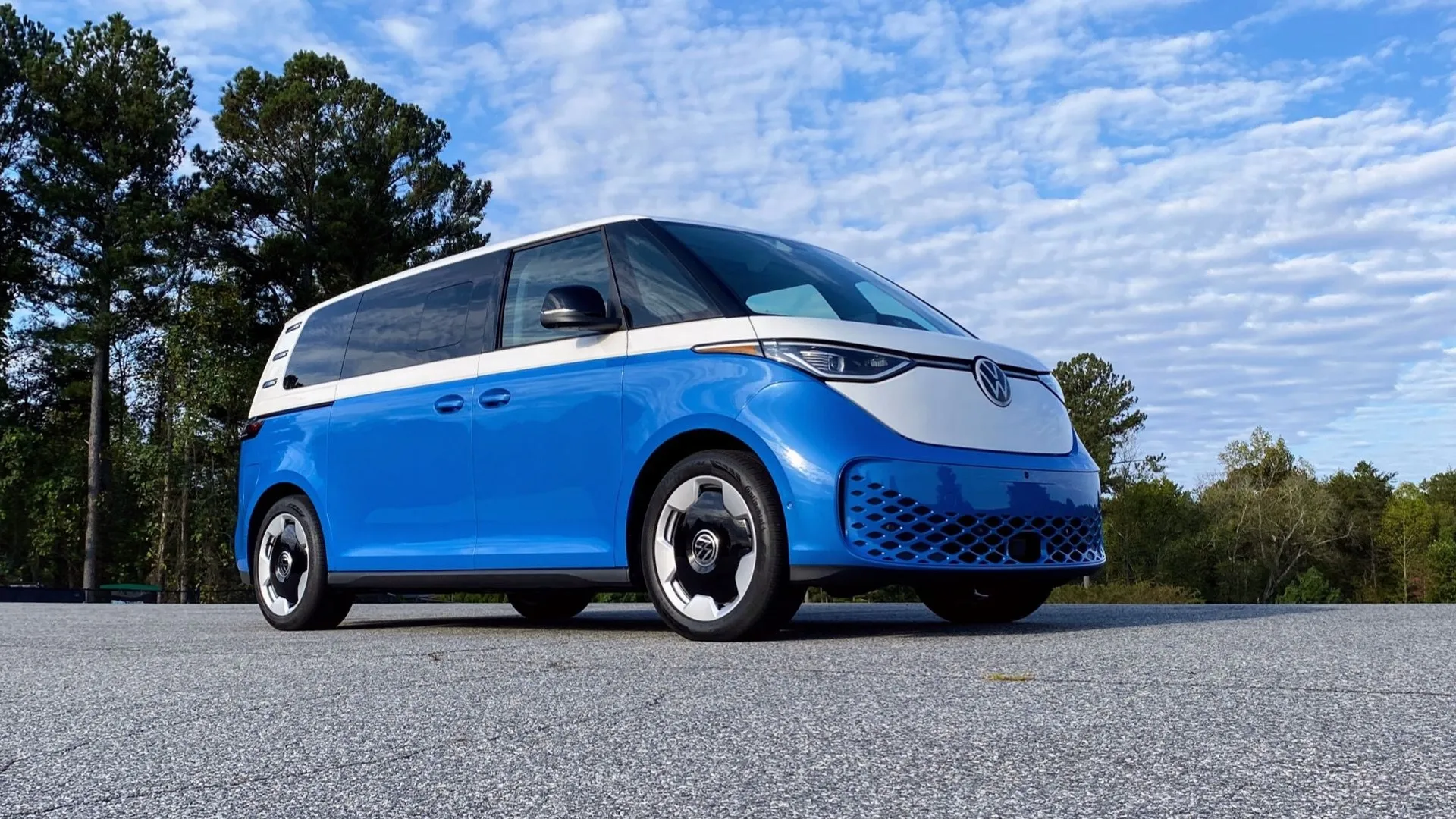
One of the most striking examples is the Volkswagen ID. Buzz—an electric minivan stylistically linked to the legendary Volkswagen Type 2.
The original minivan is associated with travel, music festivals, hippie culture, and the freedom of the 1960s and 1970s. Volkswagen has drawn on this image but adapted it to a modern electric platform.
By the end of 2025, the company had delivered 60,700 ID. Buzz vehicles, including cargo versions.
The vehicle’s design retains the distinctive two-tone body, large emblem, and overall proportions of the historic minibus. At the same time, the vehicle features a digital dashboard, modern driver-assistance systems, and an electric powertrain.
Volkswagen has effectively combined two seemingly contradictory promises: a technological future and a romanticized past.
However, the automotive market also reveals the limits of nostalgia. A recognizable design helps attract attention, but it cannot fully compensate for a high price, limited range, or issues with the charging infrastructure.
Nostalgia may bring a buyer to the dealership. However, the final decision will still be based on performance and cost.
Why People Are Willing to Pay for Their Own Memories
The economics of nostalgia have not only a cultural but also a psychological explanation.
A study published in the Journal of Consumer Research showed that nostalgic emotions can reduce people’s attachment to money and increase their willingness to pay for goods. During experiments, participants who were made to feel nostalgic were willing to spend more than participants in the control groups.
Other studies link interest in nostalgic products to insecurity, feelings of vulnerability, and fear of the future. Familiar items can create a sense of stability and predictability.
Millennials have become the main buyers of many retro products. People who grew up in the 1980s, 1990s, and early 2000s now have their own incomes. They can buy the things they wanted as children or purchase more expensive collectible versions of familiar products.
However, nostalgia is no longer limited to personal memories. Generation Z is fascinated by film cameras, vinyl, Y2K fashion, and 1990s design, even though some of its members were born much later.
In this case, it’s not their actual childhood that’s being sold, but a stylized image of it: a time without endless notifications, algorithms, artificial intelligence, and constant online presence.
Why an Old Brand Is Safer Than a New Idea
For companies, working with established intellectual property has obvious advantages.
It takes years to introduce a new brand to its audience. You have to explain who its characters are, why they matter, and how the product differs from competitors. A familiar name already comes with a ready-made set of associations.
Atari doesn’t need to explain the history of retro gaming. HBO doesn’t need to convince people that Hogwarts can be interesting. Volkswagen isn’t starting from scratch to create an emotional image for the ID. Buzz—the old minivan did part of that work a decade ago.
A familiar image reduces risk, but modern features give consumers a reason to pay again.
Has the world run out of new ideas?
The popularity of remakes, reboots, and reissues has a downside. When familiar franchises guarantee audience attention, it becomes less profitable for companies to take risks with completely new stories.
For a studio, a new “Harry Potter” is a safer bet than an expensive series set in an unknown universe. For a shoe manufacturer, bringing back a model from the archives is less risky than creating a new design. For a video game publisher, remastering a well-known hit may be more predictable than developing a new franchise.
As a result, the cultural and consumer industries may find themselves in a vicious cycle, where each generation receives updated versions of the previous one’s products.
However, the success of Atari, Barbie, Pokémon, Tamagotchi, vinyl records, instant cameras, and vintage cars shows that demand for the past is far from exhausted.
On the contrary, in a world of endless digital content, physical objects, familiar characters, and old rituals are becoming more valuable. Companies have realized a simple truth: people are willing to pay not only for things they’ve never seen before.
Sometimes they’re willing to pay significantly more for things they once loved.


