
Syria plans 2 million homes by 2035 — The National
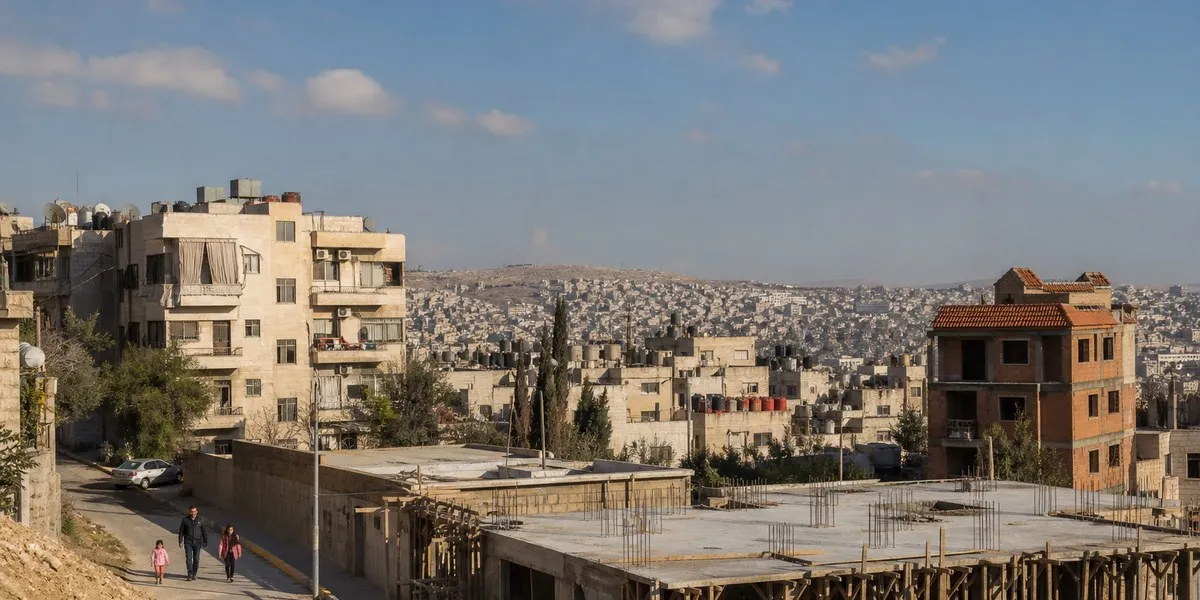
Syria plans to build or restore 2 million housing units by 2035 to reduce the housing shortage and support the country’s economy. Housing projects are planned to be financed through state investment, private and foreign capital, as well as new partnerships.
As The National reports, land for development will be provided by the General Housing Establishment, while private investors are expected to develop housing projects and infrastructure. Authorities are also working to revive suspended projects and speed up the handover of completed housing in rural Damascus, Homs, Hama, Latakia, Tartus, Aleppo and Deir ez-Zor.
Housing shortage and damaged homes
Imad al-Masri, Syria’s assistant minister of public works and housing, said the housing shortage stood at 1.9 million units in 2025. In his assessment, without sufficient new construction, this figure could rise to 2.5 million by 2030.
More current news is available on the UA.News Telegram channel Telegram.
Syria’s housing stock is estimated at about 4.25 million units, of which around 1.32 million sustained varying degrees of damage during more than 10 years of conflict. The government strategy envisages completing existing and frozen projects, repairing homes, rebuilding damaged housing and constructing new facilities.
Announced investments
UAE developer Arada plans to implement a $7 billion mixed-use project in western Damascus in stages over 10 years. It is expected to include 11,000 housing units, including apartments, villas and townhouses, 500 hotel rooms, 1,000 serviced apartments, two schools, a hospital, offices and retail space.
Emaar founder Mohamed Alabbar is also considering investments in Syria of up to $18 billion: from $5 billion to $7 billion in coastal projects, and up to $11 billion in Damascus and its surrounding areas. According to the UN Refugee Agency, more than 1.7 million Syrians returned to Syria between December 2024 and April 2026, while about 1.97 million internally displaced people returned to their places of residence. A shortage of housing was named one of the main obstacles to return.




