
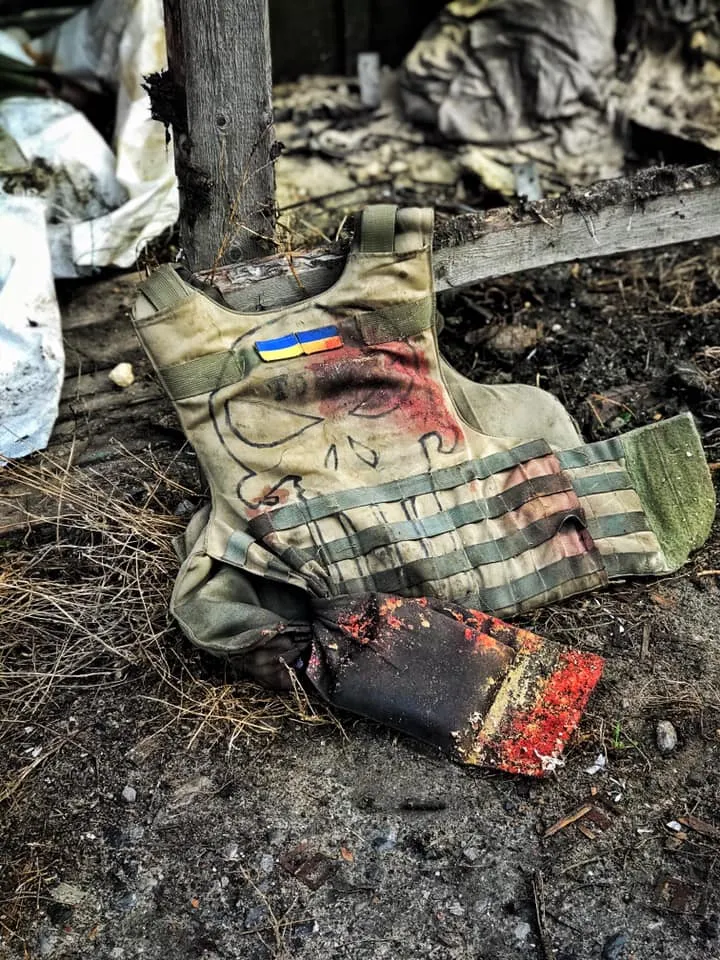
The "Midas" investigation: interrogations of Zhumadilov and Shevtsov have exposed gaps in defense procurement
20 May 2026 16:28It is evening. In a cozy apartment in a luxury building at 9a Hrushevsky Street, a group of influential people are having dinner. Seated at the table are businessman Timur Mindich, Defense Minister Rustem Umerov, and other private guests whose names are currently being investigated by NABU. Amid the clinking of glasses and light appetizers, they discuss a defense contract worth 200 million hryvnias. “Just have them sign the acceptance, and that’s it. But that’ll cost you one phone call—a slap in the face,” businessman Mindich persuades the minister, as recorded on tape by detectives.
This dialogue could have been the epilogue to yet another successful deal. But the story took a completely different turn.
Anatomy of the scheme: Israeli armor turned into a defect
Let’s briefly review the timeline of the incident, which has already become the subject of an investigation by the Temporary Investigation Commission and NABU.
The promise of a quota
In early 2025, businessmen Timur Mindich and Vasyl Veselyi (Milicon LLC) received behind-the-scenes assurances at the highest level that they could claim “their own quota” in the supply of body armor to the Armed Forces of Ukraine.
The first shipment and the scandal
The businessmen quickly delivered a shipment of protective gear worth approximately $5–7 million. The Ministry of Defense initially planned to sign the acceptance documents, but a scandal erupted over the procurement. Lower-level inspectors refused to accept the goods.
The storming of the ministry
Realizing that millions were at stake, Mindich and Vesely attempted twice to funnel these body armor vests through various companies under their control. One of them, as the Temporary Investigation Commission discovered, had been bought out just two days before the tender.
Why the contract was halted
As General Shevtsov later explained to the TSK, the size of the ceramic plates categorically did not meet the technical specifications. And when a new batch was sent for ballistic testing, the plates failed the test.
Details of the tender where Chinese plates were passed off as Israeli
The Verkhovna Rada’s Temporary Investigative Commission, chaired by Yaroslav Zheleznyak, has released details of the alleged scheme surrounding the purchase of body armor for the Armed Forces of Ukraine worth 1.6 billion hryvnias. At the center is the company “Milicon.ua,” an intermediary with no relevant experience that gained access to the tender thanks to a special amendment in the procurement terms. It was this “asterisk” that allowed the participant’s experience to be disregarded in favor of the experience of a foreign manufacturer, whose documents the firm used.
During the TSC meeting, deputies directly asked DOT representatives whether the tender terms had been specifically rewritten for a particular company. After all, “Milicon” had a registered capital of only 160,000 hryvnias, and the firm itself, as it turned out, was linked to entities that had previously attempted to enter this tender through another company—“Fortress of Defense.”
Despite the claimed Israeli origin of the body armor, the tests revealed entirely different details: some of the plates turned out to be Chinese-made products that could not withstand gunfire.
The “Mindich tapes,” which were played at the commission meeting, caused a particular stir. The conversations revealed that those involved in the scheme were well aware of the problems with the body armor even before the final failure of the deliveries.
“Imagine how we would have screwed up with 40,000 body armor vests… Good thing they only gave us 10,000,” reads one of the transcripts.
Despite this, the negotiators continued to discuss “contributions” in the millions and contacts within the Ministry of Defense.
Following the scandal, the contract with “Milicon” was terminated, and the company was fined over 97 million hryvnias. But the Temporary Investigation Commission (TIC) stated outright: there is virtually no chance of actually collecting this money.
At the same time, the main question remains unanswered—where are the thousands of defective body armor vests that were delivered to Ukraine but never returned? As lawmakers emphasized, the cost of this scandal is not only hundreds of millions of hryvnias but also a six-month delay in supplying protective gear to the military during wartime.
“They brought junk”: how the Ministry of Defense explained the scandal
“So they didn’t bring new ones. All of this... The intermediary said: ‘We’ll sort things out with the suppliers,’”—General Mykola Shevtsov effectively confirmed at the TSC meeting: at the center of the defense scandal was an intermediary firm which, in his words, “had absolutely no connection to the equipment and didn’t understand what it was doing.”
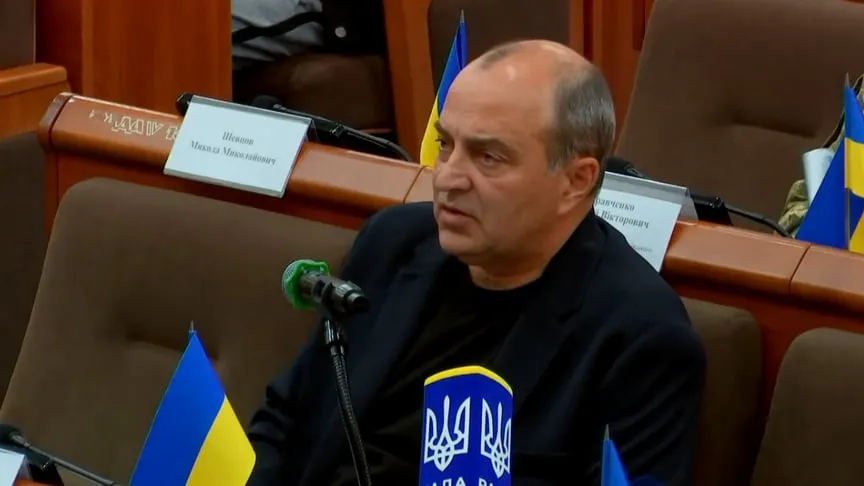
During questioning, the former Deputy Minister of Defense admitted that as early as May 2025, he was informed of serious problems with a shipment of body armor worth 200 million hryvnias. According to Shevtsov, the ceramic protection did not meet technical requirements, and the goods themselves could not be issued to the troops.
“We have no right whatsoever to accept such goods,” he stated.
But at the same time, Minister Rustem Umerov, as the transcript shows, insisted on “sorting out” the situation due to the sensitivity of relations with the “Israelis.” An even more telling moment came when Goncharenko read out an intercepted conversation between Umerov and Shevtsov. The minister calls in the morning, asks about the body armor, and hears in response: “They brought junk.”
According to Shevtsov, the first batch completely failed to meet technical requirements. After being reworked, the new plates also failed ballistic tests.
At the same time, the Ministry of Defense apparently tried until the very end to keep the contract alive. Shevtsov said that the suppliers were given a chance to replace all 10,000 body armor vests and retake the tests.
“I agreed, but warned that the claims and legal proceedings, as well as the imposition of fines, would follow their legal course,” he explained.
However, even after that, the new samples, according to him, failed the ballistic tests, and the contract had to be terminated.
The situation surrounding the tender itself is the most concerning. Shevtsov openly admitted that the firm “Milicon,” which received a multimillion-dollar order, turned out to be a mere intermediary. And the fact that the company had been transferred to new owners just two days before the tender only came to the attention of the relevant deputy minister after the scandal had already erupted in the public sphere.
“I was unaware of this at the time,” he told lawmakers.
Separately, the general tried to distance himself from any internal agreements. He testified that he had never seen Timur Mindich, had never been to the apartment on Hrushevsky Street where, according to other witnesses, informal dinners with Umerov took place, and only learned of Mindich’s connection to the body armor after the publication of the “NABU tapes.”
“I deliberately avoided informal contacts, so lobbyists bypassed me,” Shevtsov assured the commission.
As a result, hundreds of millions of hryvnias for defense passed through a firm with no relevant experience, and they attempted twice to get the defective goods accepted even after the problems had been identified.
“Just let them sign off on the acceptance, and that’s it”
It was precisely this phrase, heard on the recordings during a conversation between Timur Mindich and Rustem Umerov, that formed the basis of the questioning of DOT head Arsen Zhumadilov at the TSK meeting. According to him, the issue concerned a shipment of Israeli body armor worth over 200 million hryvnias, which initially failed acceptance due to sizing issues and, after “alterations,” failed ballistic tests.
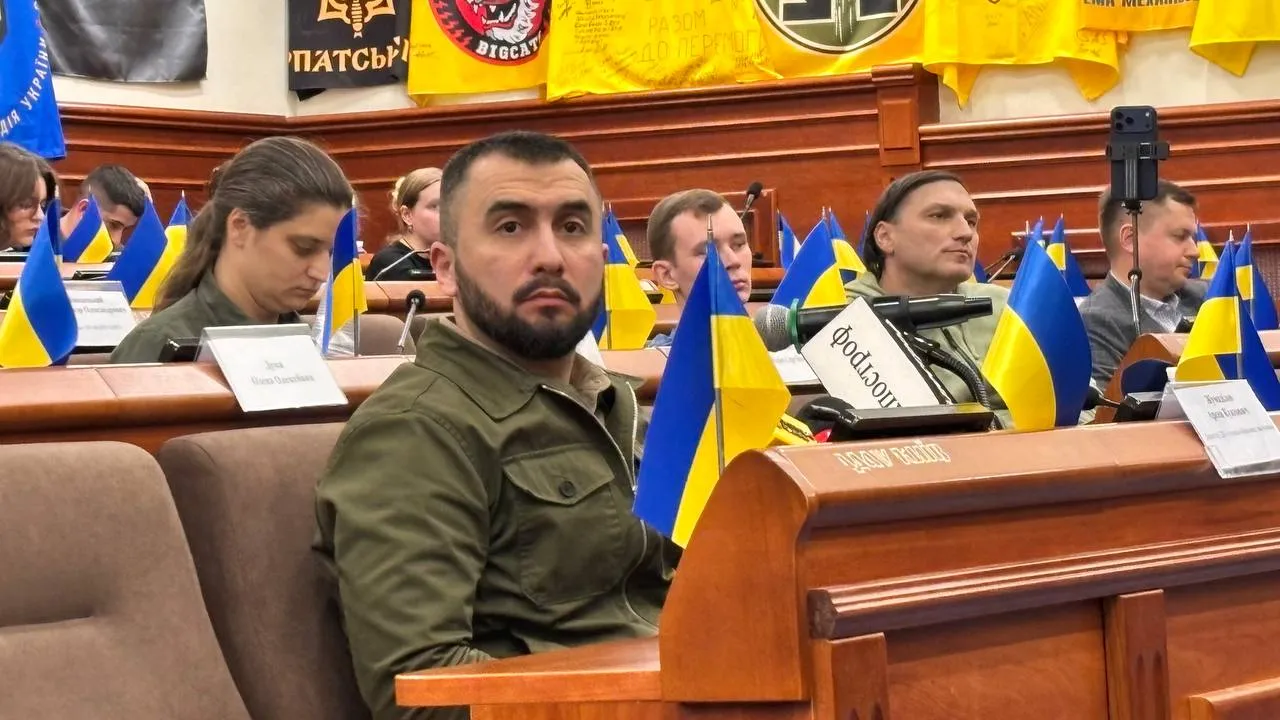
Behind-the-scenes attempts to “resolve the issue” caused a particular stir. Zhumadilov confirmed that in the spring of 2025, Defense Minister Rustem Umerov personally brought him to a private dinner at a private apartment, where Timur Mindich and an Israeli counterpart were already waiting at the table. It was there, according to the head of the DOT, that Mindich directly inquired about the fate of the contract for the problematic body armor: “We have a contract for these Israeli body armor vests; we’ve invested in it—what’s going to happen with it?”
“I don’t care who asks such questions or where; my answer is always the same: if they pass inspection, we’ll accept the goods and pay; if not, we’ll terminate the contract,” Zhumadilov explained.
Arsen Zhumadilov also clarified that by the end of 2023, the situation regarding the supply of the Armed Forces of Ukraine was critical—needs were being met by only 20%. To break the monopoly on prices and expand the market, DOT brought in foreign suppliers. Thanks to this, in 2025, the average cost of a single bulletproof vest was reduced from 27,000 to 21,000 hryvnias.
In April, the company delivered the first 5,000 body armor vests. They withstood firing tests in the lab, but DOT rejected them due to violations of the plate dimensions, which did not meet Ukrainian standards. The supplier took the batch back, allegedly for rework.
In August, the company returned the vests. This time the dimensions were correct, but during ballistic testing, the plates failed the firing test and were penetrated by 7.62 mm caliber bullets. In fact, under the guise of a corrected first batch, the suppliers attempted to deliver different materials to the army. Following this, the 200-million-hryvnia contract was definitively terminated without any budget funds being disbursed. Zhumadilov admitted:
“The second time, they slipped in completely different plates, which failed the firing test.”
Despite this, Mindić’s recordings include the phrase: “Just have them sign the acceptance, and that’s it.”
TSK Chairman Oleksiy Goncharenko read another excerpt from the recordings, in which Timur Mindich demands “a single order” from Rustem Umerov for the relevant agencies to simply sign the goods acceptance certificates. When asked by lawmakers who exactly was supposed to carry out this order bypassing the DOT, Zhumadilov named Leshchenko, the head of the Ministry of Defense’s Central Quality Control Directorate.
What we have in the end
The scheme involving “Israeli” body armor was halted not because of a political decision, but thanks to the stance of experts, quality control officers, and the ballistics laboratory. The suppliers attempted to deliver the goods twice: initially, the shipment was rejected due to non-compliance with the dimensions of the plates, and after a second delivery, the new samples failed ballistics tests. As a result, the contract was terminated without any budget funds being paid—there was no advance payment under the contract.
However, the question of the future fate of the batch of defective body armor remains unresolved. According to information presented at the Temporary Investigation Commission, the goods were not returned to the manufacturer, and there is also no information regarding their official storage. What if the defective goods were simply repackaged with new documentation and sold to another law enforcement agency, bypassing the Ministry of Defense?


