
An expert explained how to grow native Australian plants in the garden
Australian native plants should be selected based on their natural habitat, soil type, and moisture requirements, said Digby Grounds, a plant breeder at the Kings Park Botanical Garden and Park. According to him, it is a mistake to assume that all native species are undemanding and require the same care, ABC News Australia reports.
Australia has a variety of climate zones—from deserts to tropical rainforests—so plants from different regions may react differently when grown in new conditions. In particular, species from Western Australia typically require very well-drained, almost sandy soil. Some plants can thrive in many regions, while others have a narrow natural range and adapt less well to a new climate.
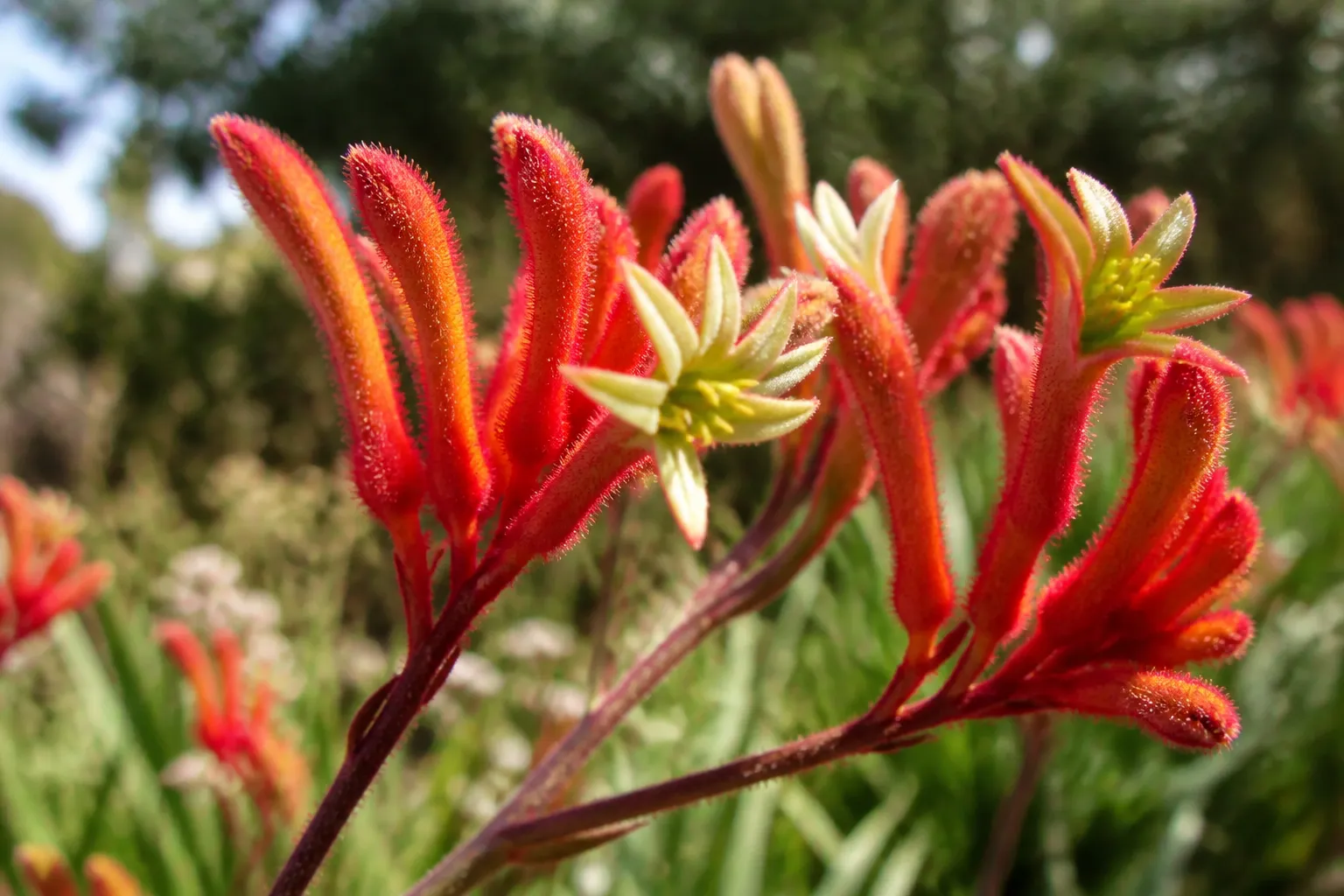
Grounds advises beginners to choose hardier species. Among the relatively undemanding Australian plants, he lists Lomandra and Callistemon, also known as bottlebrush. Local orchids, on the other hand, may require significantly more experience and care. For some plants, there are hybrid cultivars adapted to a wider range of climate and soil conditions. An example is the cultivars of Anigozanthos, or “kangaroo paw,” which vary in color, height, flower size, and disease resistance.
Read more breaking news on the UA.News Telegram channel.
For the seeds of certain species to germinate—particularly some flannel flowers and anigozanthos—they require smoke treatment, either with smoked water or aerosol smoke. Seeds purchased from nurseries have already been treated with smoke, so there is no need to light a fire to germinate them. Some local plants can be propagated by cuttings, including certain species of Callitrix and small members of the myrtle family, such as Melaleuca.
Even drought-tolerant species should be watered regularly after planting until they become established, as plants from nurseries are accustomed to receiving more water. In a garden with species that have different moisture requirements, additional irrigation is needed; the expert recommends drip irrigation and two or three thorough waterings during the warm season. Many native species should be pruned immediately after flowering ends, unless you plan to collect seeds. You can remove up to one-third of the new growth, but you should not cut branches back to bare wood.
Banksias, grevilleas, and hackeas from the Proteaceae family are sensitive to the phosphorus in all-purpose fertilizers, which can be toxic to them. For these plants, fertilizers with reduced phosphorus content are recommended. It is recommended to fertilize container-grown native plants every six months with a slow-release fertilizer formulated for Australian species.


