

IURII DANILOV: THE INDUSTRY DOES NOT NEED MORE NOISE. IT NEEDS MORE MEANING
21 July 2026 18:00At iGB L!VE in London, Iurii Danilov shared his personal view of the exhibition, the transformation of the iGaming and fintech industries, the real value of technology, and why London remains one of the most inspiring cities in the world for business and life.
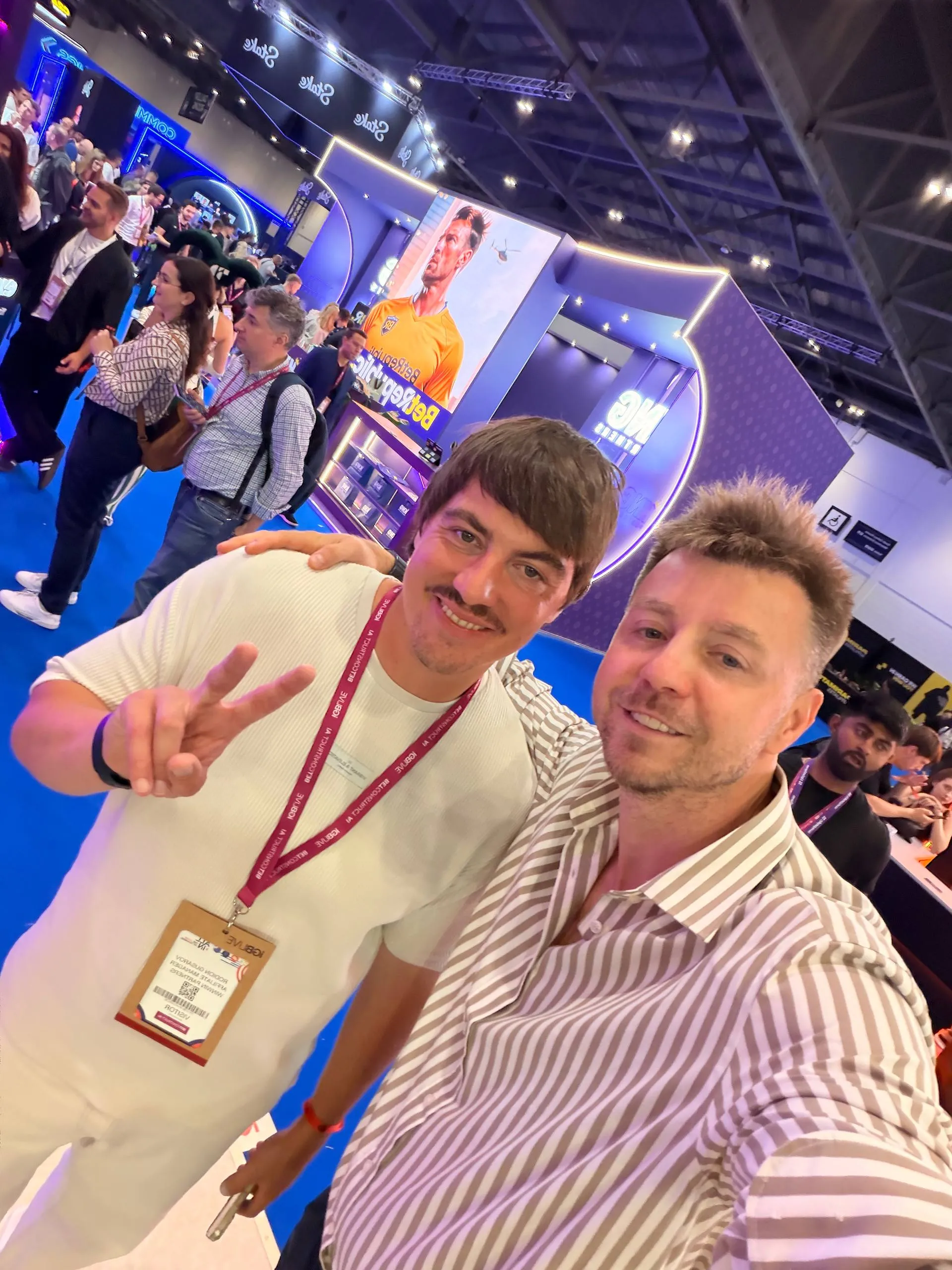
Iurii, what was your first impression of this year’s iGB L!VE?
My first impression was that the industry is becoming more serious. There is still energy, visual scale and ambition, but behind all of that, people are asking much more practical questions.
A few years ago, it was enough to present an attractive idea, use the right terminology and promise rapid growth. Today, the market wants to understand what is actually working, what produces measurable results and what can survive real operational pressure.
For me, that is the most important sign of maturity. The industry does not need more noise. It needs more meaning.
What makes iGB L!VE different from other major exhibitions?
Every major exhibition has its own personality.
Some events are built around scale. Others are built around entertainment, announcements or a very intense networking atmosphere. iGB L!VE feels more concentrated and intellectually focused.
Here, the most interesting conversations are not necessarily the loudest ones. You can speak about gaming, payments, regulation, technology, digital assets and customer behaviour within the same day and understand how closely all these areas are connected.
For me, iGB L!VE is not simply a place to observe the market. It is a place to test your own understanding of the market.
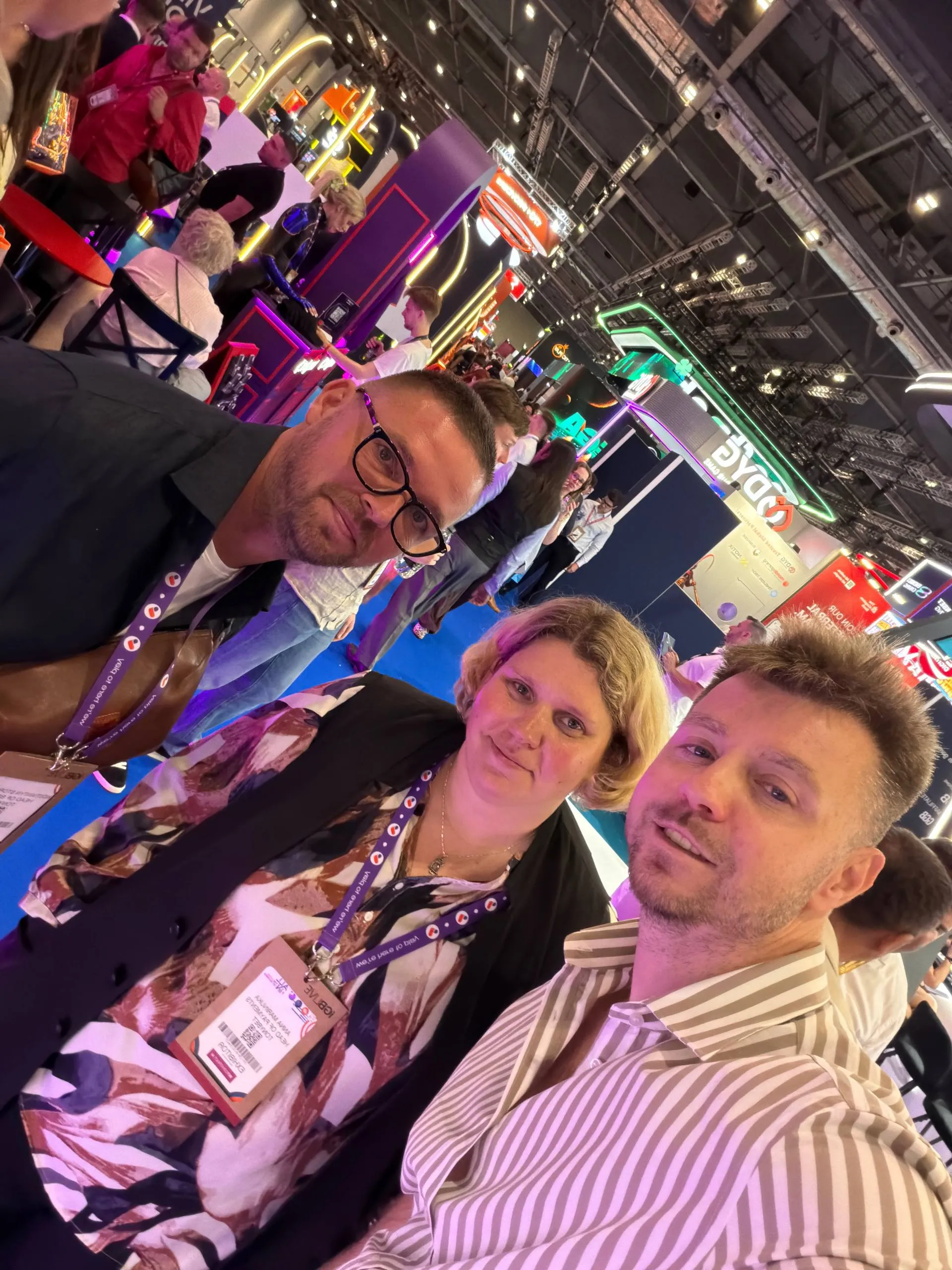
Did the exhibition change your view of the industry?
It strengthened something I had already felt for some time: the industry is moving from aggressive expansion towards intelligent expansion.
Growth itself is no longer enough. A company can enter ten new markets, integrate dozens of systems and attract a large audience, but that does not automatically make the business stronger.
The real question is whether the company can control this growth. Does it understand its customers? Can it process payments reliably? Can it manage risk? Can it maintain banking relationships? Can it explain its model to regulators? Can it continue operating effectively when conditions change?
Growth without control is not strength. It is simply a larger version of the same vulnerability.
Which subjects attracted you most during the exhibition?
Payments, technology, AI, regulation and the relationship between them.
I do not see payments as a separate financial function. Payments are part of the customer experience, part of trust and, in many cases, part of the product itself.
A customer does not care how complicated the infrastructure is. The customer wants the payment to be fast, clear and reliable. But behind that simplicity, there may be multiple banks, payment institutions, card networks, currencies, compliance systems, fraud controls and technical integrations.
The art is to make complexity invisible to the customer without losing control over it internally.

Artificial intelligence was once again one of the dominant topics. Do you think the industry is using it correctly?
AI has become a compulsory word in almost every presentation, but using the word and creating real value are very different things.
I am interested not in whether a company says it uses AI, but in what exactly AI improves. Does it reduce fraud? Does it identify risk earlier? Does it make customer support faster? Does it help the business understand behaviour more accurately? Does it remove unnecessary manual work?
AI should not be decorative. It should solve something.
At the same time, I do not believe that automation should eliminate human judgement. The more technology develops, the more valuable responsibility becomes. In regulated industries, someone must still understand why a decision was made and be prepared to defend it.
What do you think companies misunderstand most about technology?
Many companies believe that more functionality automatically means a better product.
I often see systems overloaded with features that nobody truly needs. They look impressive during a presentation, but they make daily work slower and more complicated.
Good technology should not demonstrate how intelligent it is. It should make the user feel intelligent.
The strongest product is not necessarily the one that can do everything. It is the one that understands exactly what it should do and performs that task without unnecessary friction.

What was especially relevant for you and your team at iGB L!VE?
For us, the most relevant discussions concerned payment infrastructure, cross-border operations, banking connectivity, digital assets, transaction monitoring and the balance between speed and compliance.
These are not abstract subjects for us. They are part of our everyday work.
Our approach is simple: the customer should experience speed and convenience, while the internal infrastructure remains disciplined, transparent and secure.
A financial product should not force the customer to understand its internal complexity. However, the team behind the product must understand every layer of that complexity.
That balance between simplicity on the outside and control on the inside is one of the most difficult things to build — and one of the most valuable.
Has compliance become more important than before?
Compliance has always been important. What has changed is the way strong companies think about it.
Previously, compliance was often treated as the department that entered the room at the end and explained why something could not be done. Today, mature businesses involve compliance from the beginning.
This is not because they have become less ambitious. It is because they understand that a poorly designed structure creates larger problems later: delayed launches, blocked payments, unstable banking relationships, additional costs and reputational damage.
I do not believe in choosing between growth and compliance. The real task is to build growth that can survive regulation.

What is the biggest mistake companies make when entering new markets?
They confuse availability with localisation.
A product may be technically accessible in many countries, but that does not mean it is adapted to those countries.
Real localisation is not simply translating a website or adding a local currency. It means understanding how people pay, how they withdraw funds, how they verify their identity, how they communicate with support, what creates trust and what immediately creates suspicion.
It also means understanding how local banks, regulators and partners think.
Markets are not simply territories on a map. Each market has its own psychology.
What, in your opinion, will distinguish the strongest companies in the next few years?
The ability to simplify complexity.
The world is becoming more complicated: more regulation, more payment methods, more technologies, more data and more markets. Companies cannot stop that process.
But they can decide how they manage it.
The strongest businesses will be those that can build sophisticated infrastructure without making the customer experience complicated. They will grow without losing control, automate without losing responsibility and expand without losing their identity.
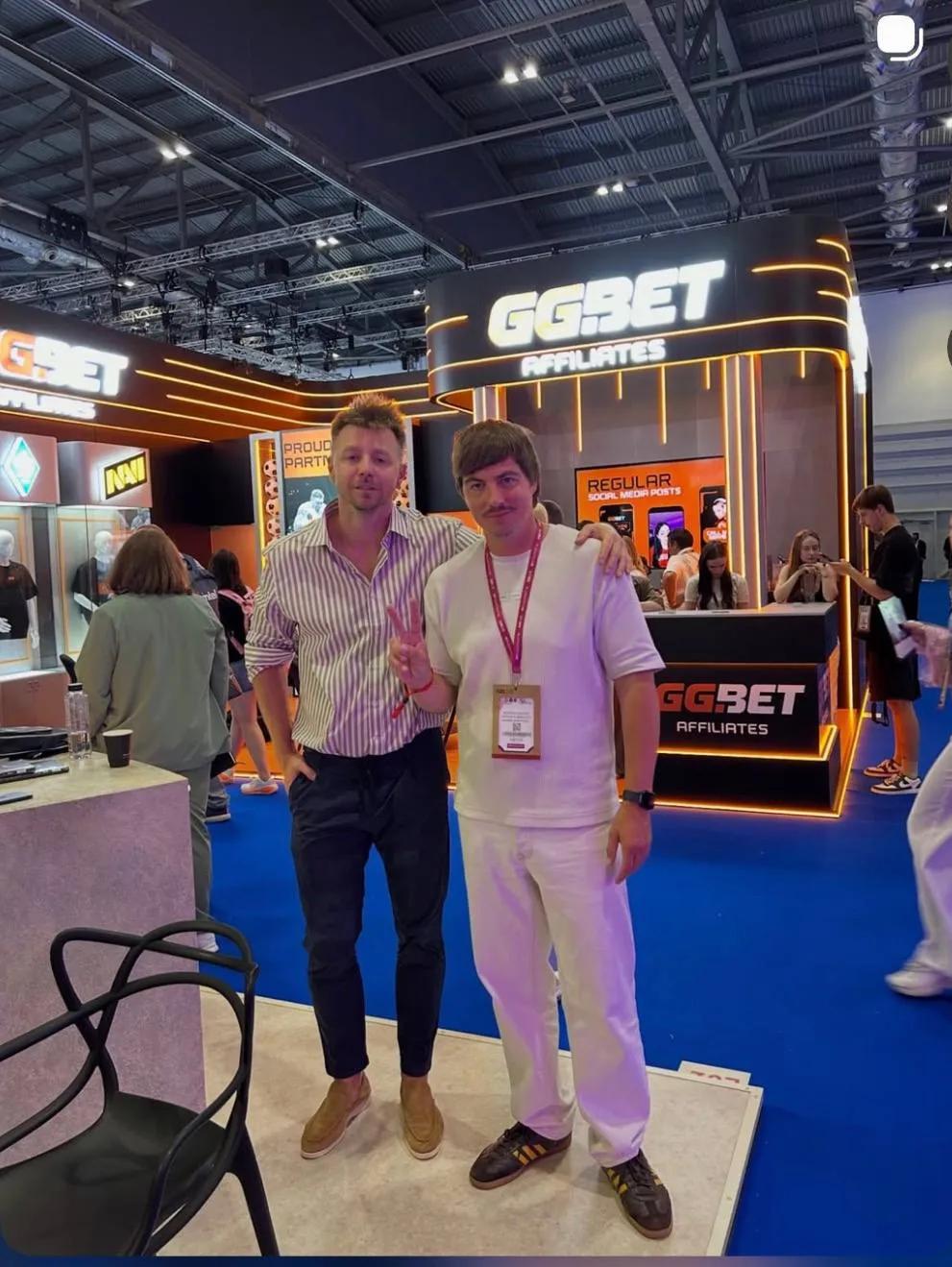
Do you believe that personal intuition still matters in a technology-driven industry?
Absolutely.
Data is essential, but data explains the past more confidently than it predicts the future.
Sometimes the numbers show that an opportunity is perfect, but something in the structure feels wrong. Sometimes the market appears too small, but you can see the direction in which it is moving.
Experience teaches you not to ignore that feeling.
Intuition is not magic. It is compressed experience. It is the mind recognising a pattern before you have formally explained it to yourself.
Technology should strengthen human judgement, not replace it.
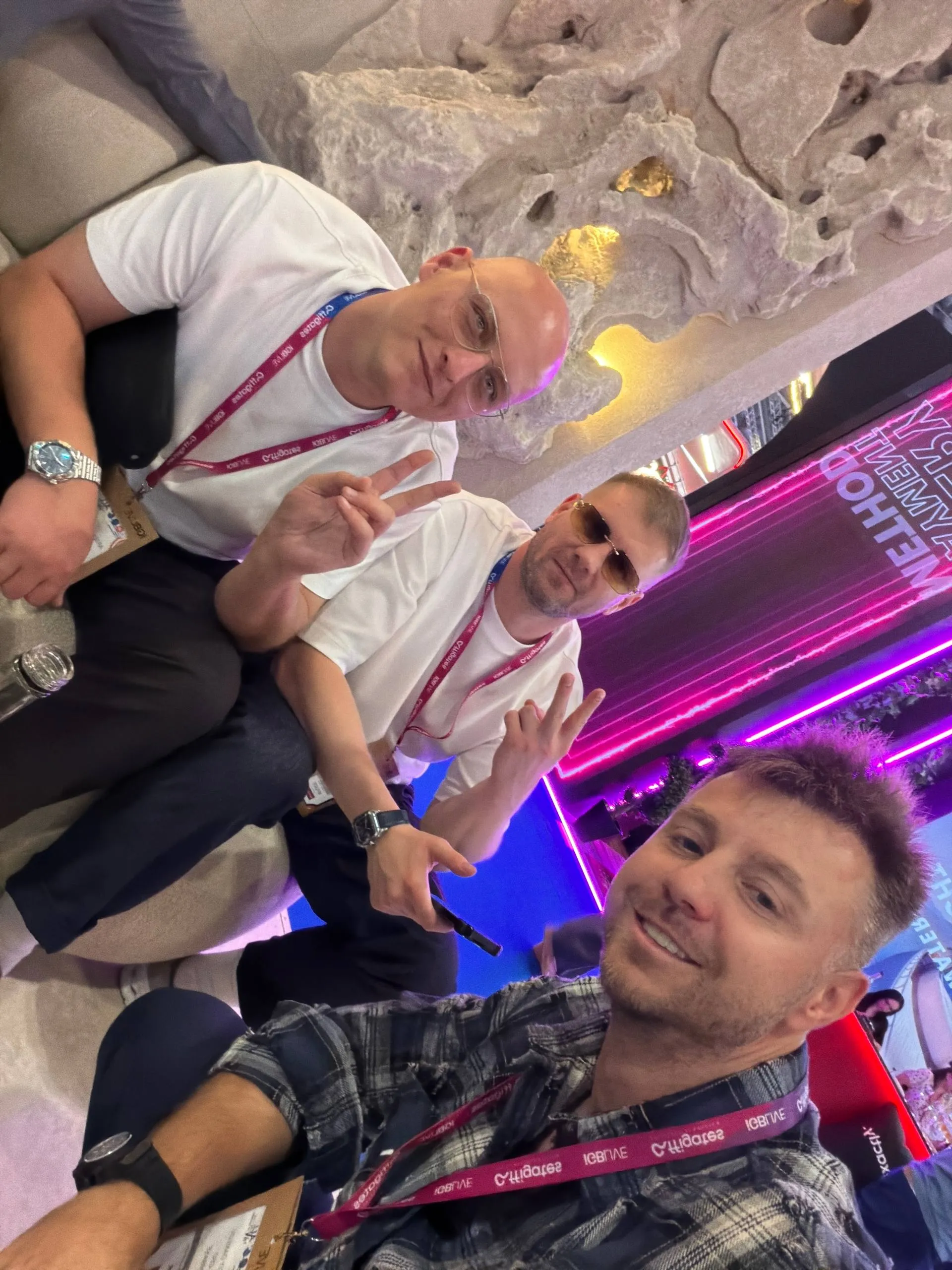
What does a successful exhibition mean to you personally?
A successful exhibition is one after which you think differently.
It is not about how many people you spoke to or how full your schedule was. Those things are obvious and temporary.
The real value appears when one conversation changes your opinion, when you notice a market movement before it becomes a trend, or when you understand that an idea you believed in needs to be reconsidered.
Sometimes the most profitable decision after an exhibition is not to start something new, but to stop wasting time on the wrong direction.
What role does personality play in modern business?
A very important one.
Technology can be copied. Prices can be copied. Even business models can be copied.
Personality is much more difficult to copy.
People remember confidence, honesty, energy, humour and the ability to say something meaningful without hiding behind standard corporate language.
I respect professionalism, but professionalism should not mean becoming faceless. Business is still built by people, and people want to understand who is standing in front of them.
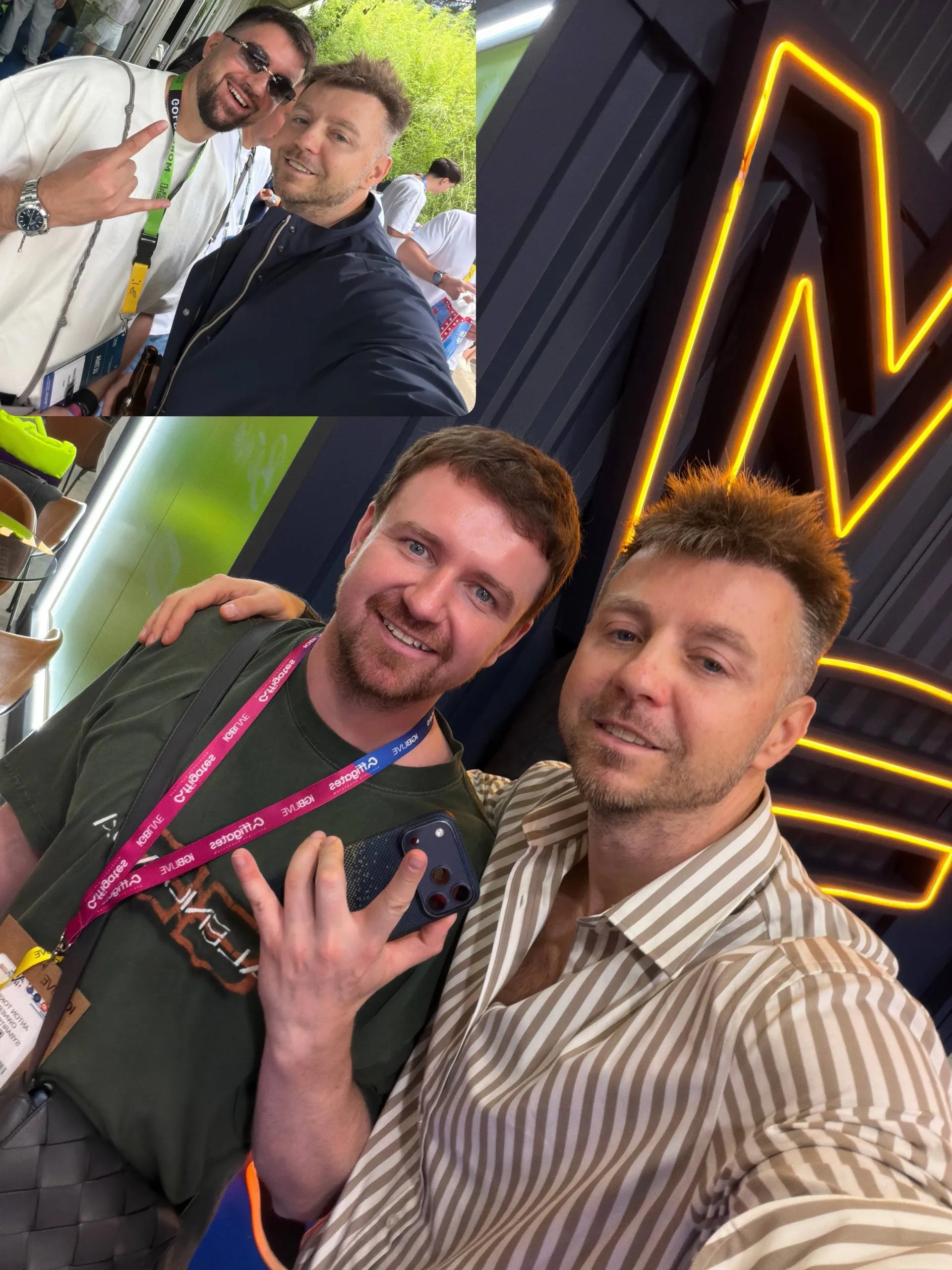
You clearly have a special relationship with London. What does the city mean to you?
London is one of those cities that gives me energy every time I return.
It is powerful, elegant, intelligent, historic, modern, wealthy, diverse and slightly unpredictable. It can be strict and romantic at the same time.
I love its architecture, its restaurants, its cultural depth and the feeling that the entire world is somehow represented here. In one day, you can have a serious business conversation, walk through streets filled with centuries of history, discover an exceptional restaurant and finish the evening feeling that the city has shown you only a small part of itself.
London does not try too hard to impress you. It simply knows its own value.
That confidence is probably one of the reasons I like it so much.
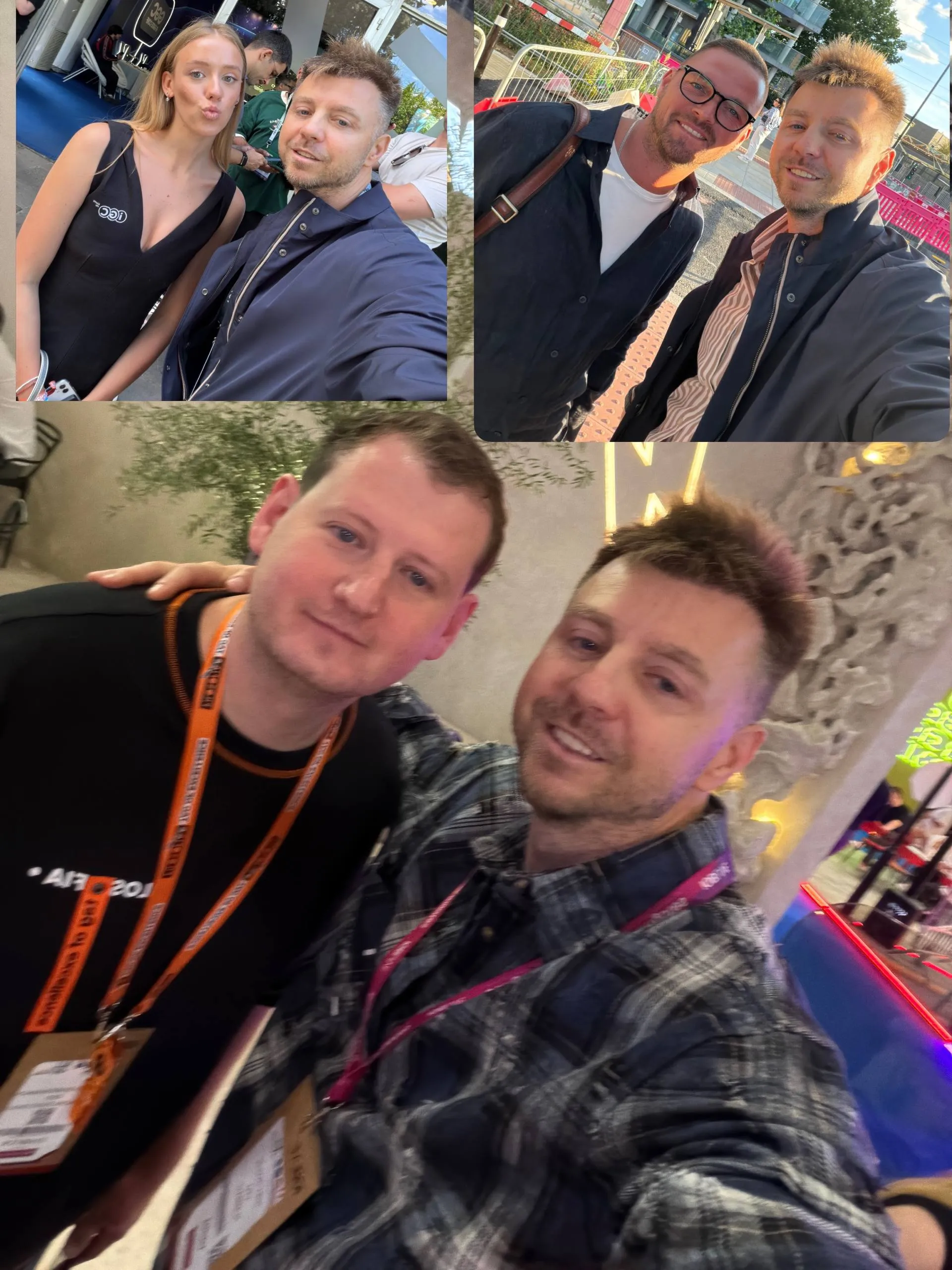
Did London influence the atmosphere of iGB L!VE?
Without question.
The location always affects the character of an event. London gives iGB L!VE a particular sense of scale and international relevance.
This is a city where finance, technology, culture, regulation and global business naturally coexist. The discussions taking place at the exhibition do not feel separated from the real world because the same themes are part of London itself.
The city makes the exhibition feel less like an isolated industry event and more like part of a much larger global conversation.
What is your main conclusion after iGB L!VE?
The future will not belong to the companies that use the most fashionable words.
It will belong to those that understand what they are building, why they are building it and how it will continue working when the market becomes more demanding.
AI is important when it solves a real problem. Payments are important when they are reliable. Expansion is important when it is controlled. Compliance is important when it is part of the architecture rather than an obstacle added at the end.
The industry is becoming more intelligent, but also less forgiving.
That is a good thing. It means that substance is finally becoming more valuable than appearance.




