
Meta unveiled its glasses for developers and demonstrated gesture-based car control
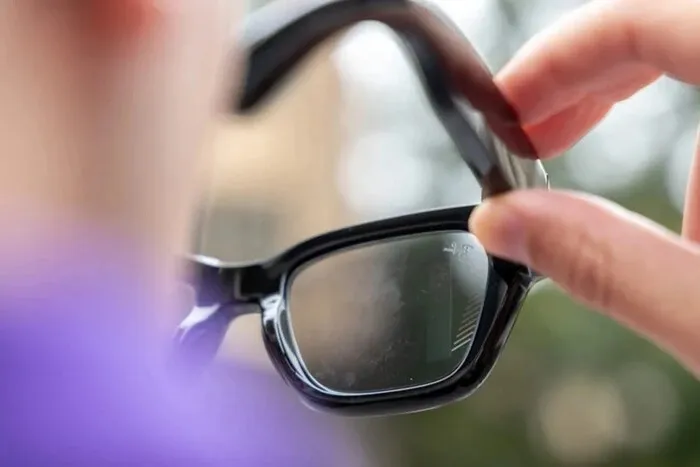
Meta has granted developers access to its Ray-Ban Display smart glasses, which immediately led to the first experimental apps featuring gesture control, games, and integration with the "smart" environment. The demonstration of contactless car unlocking using a neural bracelet sparked the most discussion. This was reported by Gizmodo.
The tech giant Meta has taken another step toward augmented reality by granting third-party developers full access to the hardware capabilities of its Meta Ray-Ban Display smart glasses, and the first enthusiasts have already begun turning this access into rather futuristic experiments that show what human interaction with the digital world of the near future might look like.
This involves integrating the glasses with the Neural Band, which reads muscle micro-signals and allows users to control interfaces with almost no physical movement, as well as utilizing a built-in head-up display that literally “overlays” information onto the real world within the user’s field of view.
Among the first demonstration projects, the developers showcased several unusual solutions, including an updated version of Tetris where blocks are controlled by finger movements in the air, a virtual speedometer that displays real-time speed while jogging or cycling, a boxing simulator with head dodges, and integration with Google Home smart home systems, which allows users to adjust lighting with simple gestures.
Separately, the demonstration of the contactless car access feature generated the most buzz, where the glasses, together with a neurobracelet, can recognize micro-movements of the hand and allow you to unlock the car or start the engine with a single gesture—which looks impressive but simultaneously raises security concerns. Cybersecurity experts are already warning that such technologies require multi-factor authentication, as the risk of unauthorized access to the car or other systems could be quite high if the device is lost or falls into the wrong hands, especially during early demonstration phases.
Currently, all these developments exist as experimental prototypes and are not available to the general public, but they are already forming the foundation of the future augmented reality ecosystem that Meta is gradually building around its wearable devices.
At the same time, it is worth noting that the initial version of the glasses, priced at around $800, was previously criticized for its limited functionality, which many reviewers described as more of a demonstration of capabilities than a fully-fledged product for everyday use.
Meta CEO and billionaire Mark Zuckerberg has decided to shut down one of the company’s largest and most expensive projects—the Horizon Worlds metaverse—which has incurred losses of $80 billion. Support for the VR platform on Quest devices will end by mid-June, and the app will disappear from the app store by the end of March.
In addition, Meta Platforms Inc. announced a price increase for its Quest VR devices due to a significant rise in production costs for high-performance equipment. The changes took effect on April 19 and will affect markets in the U.S., the U.K., Europe, and Japan.


