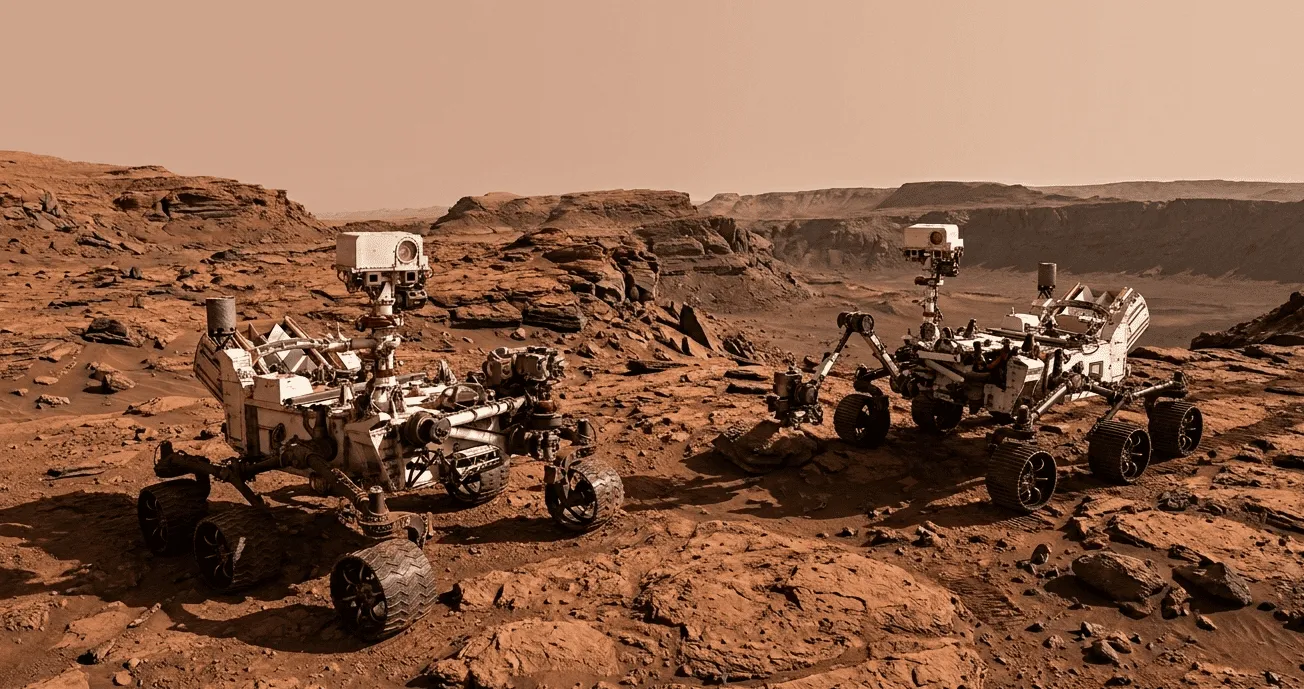
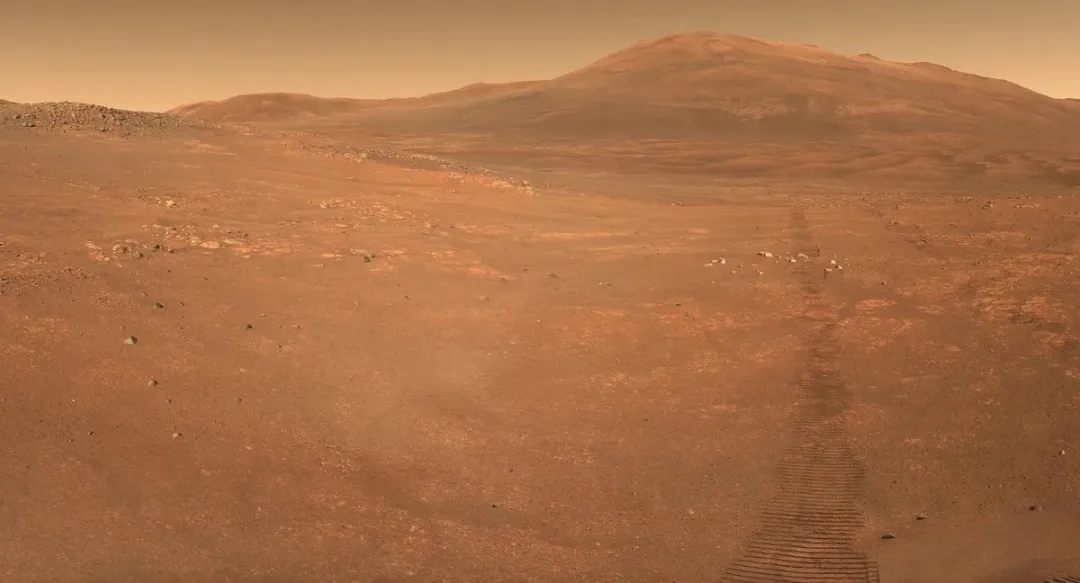
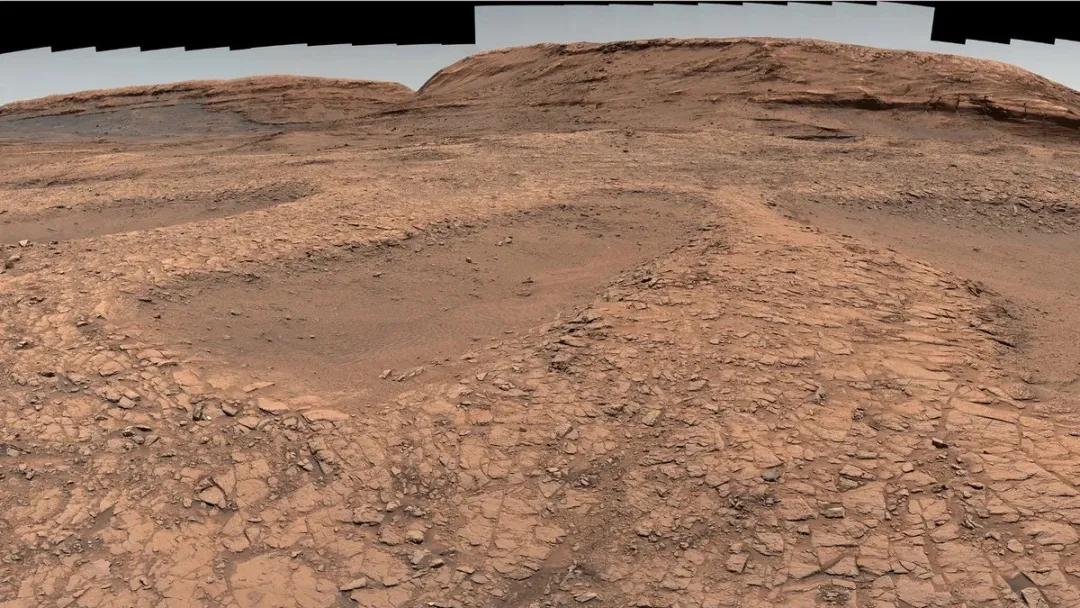
The images show two different landscapes on the Red Planet, located about 3,800 km apart.
The Perseverance panorama covers the area near Jezero Crater—a region where a lake and river delta once existed. The image, created from hundreds of photos, shows terrain shaped by water.
Meanwhile, Curiosity captured a view from Gale Crater, where unique geological structures formed by groundwater are visible.
NASA notes that these images help better understand Mars’ geological history and confirm that conditions suitable for life may have existed on the planet in the past.
It should be noted that such compounds are a common occurrence in space. The Japanese Hayabusa-2 probe delivered similar ones from the asteroid Ryugu. And NASA researchers have detected organic compounds, including sugar molecules, in samples brought back from the asteroid Bennu.
The Curiosity rover has identified more than 20 types of organic molecules, including a nitrogen-containing compound structurally similar to the building blocks of DNA.