
Technology from the canceled HALO module will be used for NASA's lunar base
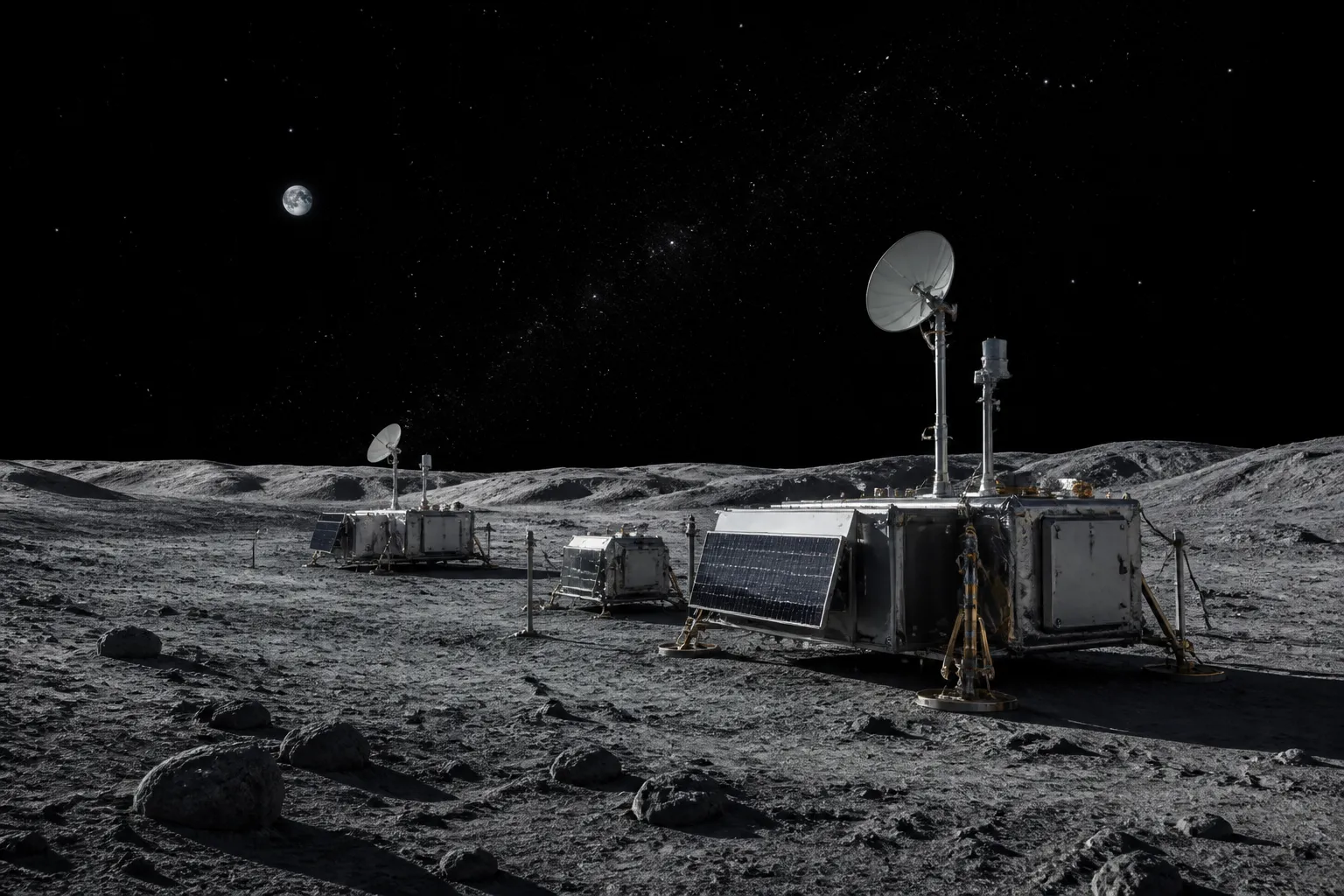
Northrop Grumman plans to use equipment and technology from the canceled HALO habitation and logistics module to test the infrastructure of NASA’s future lunar base as part of the Artemis program, according to Space.com.
HALO—Habitation and Logistics Outpost—was originally designed as a habitation module for the Gateway lunar station. Following a change in the Artemis program’s architecture, the module was canceled. Instead of scrapping the unfinished structure, Northrop Grumman is adapting its electrical and mechanical components for a series of Lunar Infrastructure Demo missions: LID-1, LID-2, and LID-3.
These missions are intended to help test power supply, thermal control, autonomous operation, communications, and payload deployment systems on the lunar surface. The technologies must withstand cold lunar nights that last for weeks and can be scaled up to create a sustainable infrastructure near the Moon’s south pole. NASA and Northrop Grumman have not announced launch dates for the demonstration missions.
For more breaking news, follow the UA.News Telegram channel.
NASA has set its sights on the Moon’s south pole due to deposits of water ice discovered in the region. The agency views the ice as a potential source of drinking water, a means of radiation shielding, and a resource for producing rocket fuel. Testing the use of local resources is one of the goals of the Artemis program, which calls for a sustained human presence on the Moon and the testing of technologies for future flights to Mars.
Under NASA’s current plan, the first Artemis-era astronaut landing on the Moon is scheduled to take place during the Artemis IV mission in late 2028. Before then, the agency plans to conduct nearly two dozen uncrewed lunar missions to establish the necessary infrastructure.




