
The James Webb Space Telescope has created a detailed map of the early universe
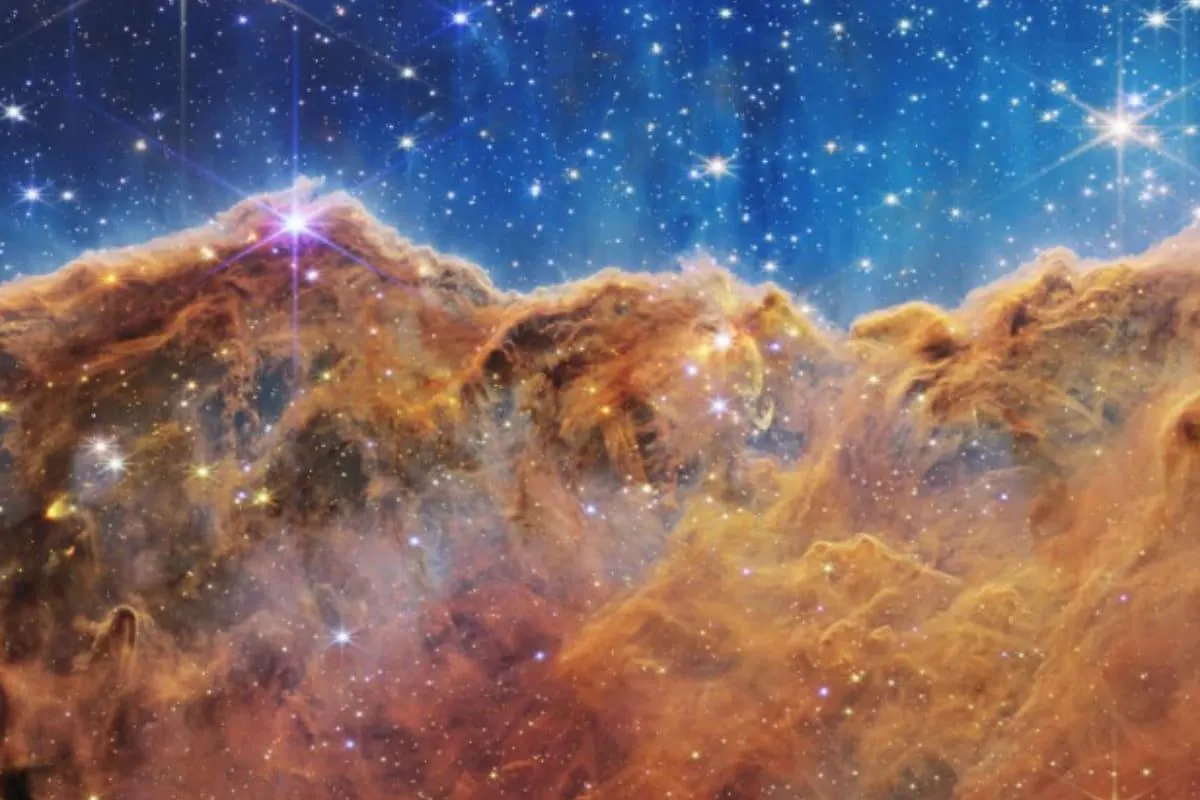
Using the James Webb Space Telescope, astronomers have created one of the most detailed maps of the so-called "cosmic web," offering a glimpse into the early stages of the universe's formation nearly 13.7 billion years ago.
This was reported by Interesting Engineering.
Researchers were able to trace the structures of dark matter and gas that connect galaxies into a vast network. According to the scientists, the observations cover a period when the universe was about one billion years old.
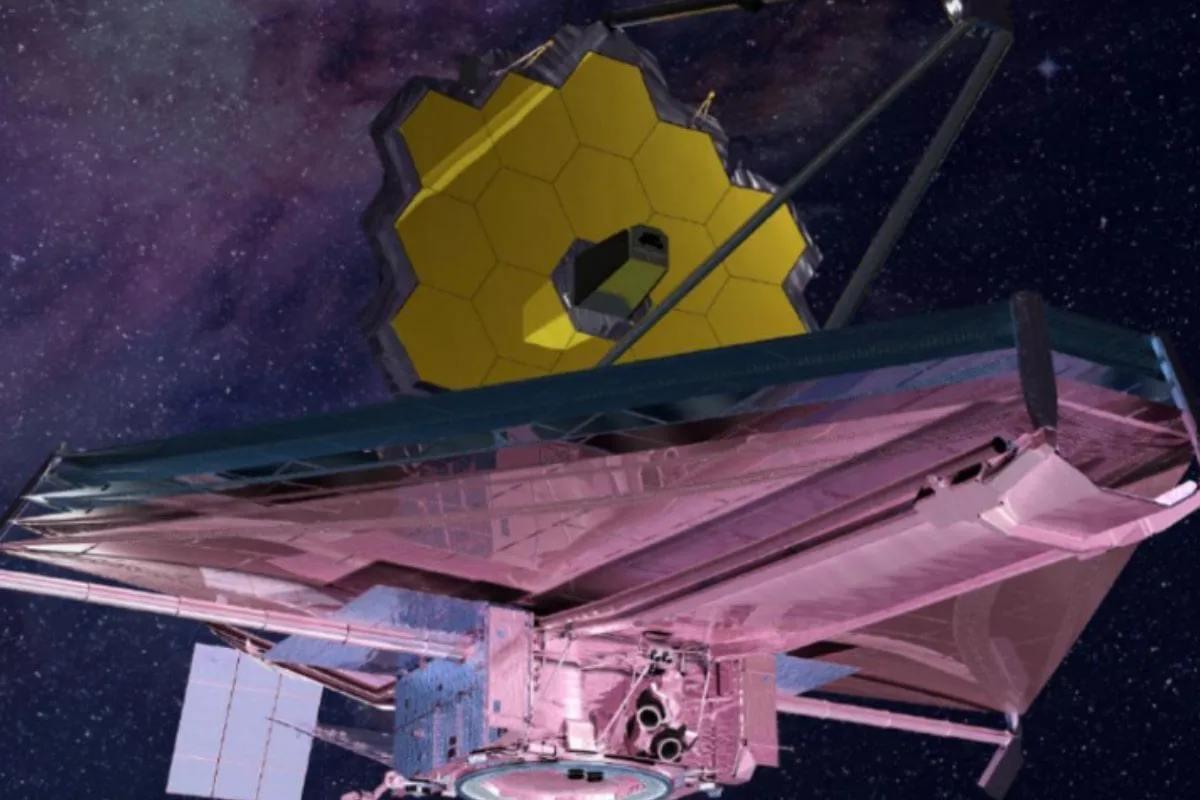
The study was led by researchers from the University of California, Riverside, using data from the COSMOS-Web project—the largest study conducted by the James Webb Space Telescope.
Thanks to its infrared instruments, the telescope was able to detect even extremely faint objects that were previously inaccessible to observation. According to the authors of the study, this has significantly changed scientists’ understanding of the early universe.
It should be noted that such compounds are a common occurrence in space. The Japanese Hayabusa-2 probe brought back similar compounds from the asteroid Ryugu. And NASA researchers have detected organic compounds, including sugar molecules, in samples brought back from the asteroid Bennu.
The Curiosity rover has identified more than 20 types of organic molecules, including a nitrogen-containing compound structurally similar to the building blocks of DNA.


