
Archaeologists in Turkey have discovered one of the largest Roman villas in Anatolia

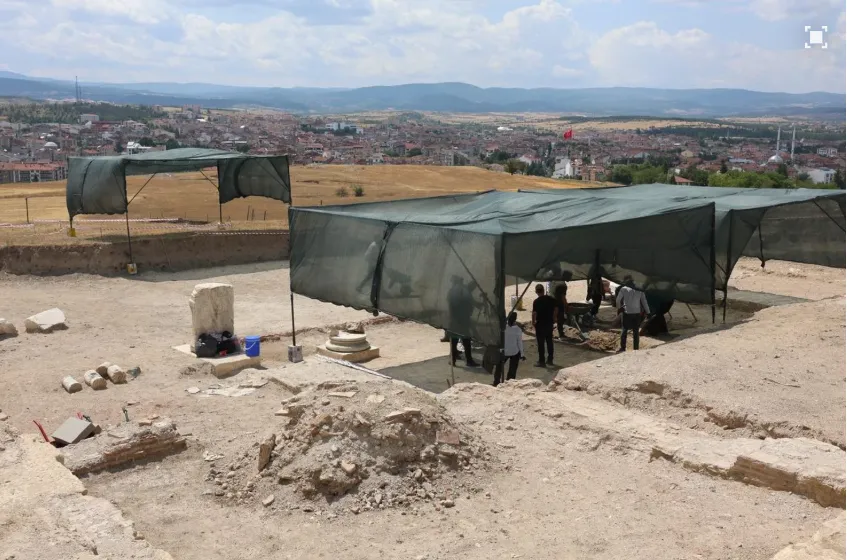
Archaeologists conducting excavations in the province of Kastamonu in northern Turkey have uncovered luxurious Roman mosaics in an ancient villa in the city of Pompeiopolis. According to researchers, this residence is among the three largest Roman villas ever found in Anatolia.
Following the resumption of archaeological work in 2025, the 2026 excavation season is dedicated to the study and preservation of the large-scale floor mosaics.
The Roman villa covers an area of approximately 3,000 square meters, though archaeologists believe its actual dimensions may be even larger.
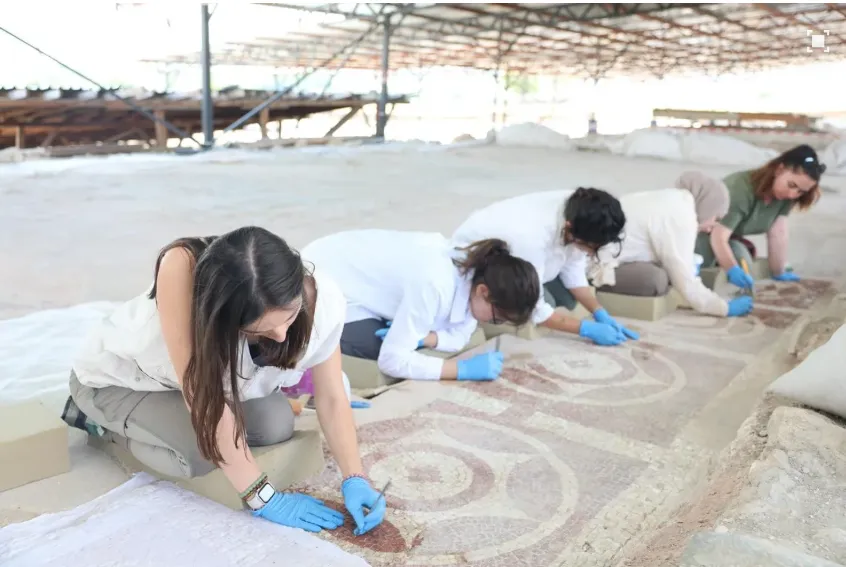
Experts are gradually dismantling, cleaning, and restoring the mosaics to preserve them as much as possible from further deterioration.
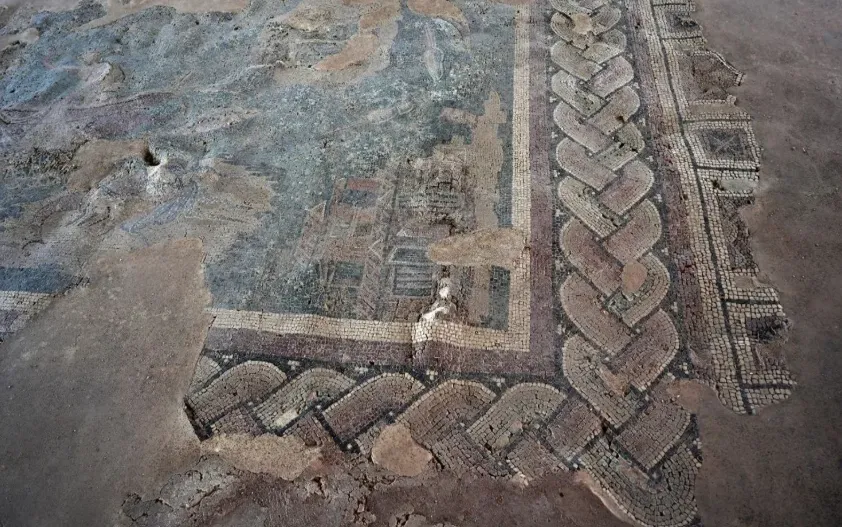
According to researchers, the quality of the mosaics is on par with the world-famous Zeugma mosaics, which are considered among the most valuable examples of Roman art in Turkey.
Restoration work began back in 2025, and the archaeologists’ ultimate goal is to open a significant portion of the restored mosaics to tourists.
Research at Pompeiopolis has been ongoing for 25 years. During the 2026 season, 45 specialists are working at the site, including 15 archaeologists from Italy.
The expedition leader, Dr. Mevlüt Eliyuşuk of Karabük University, noted: “Our work is taking place on the grounds of a Roman villa, where we began restoring the floor mosaics in previous years. With an area of approximately 3,000 square meters, it is considered one of the three largest Roman villas in Anatolia.”
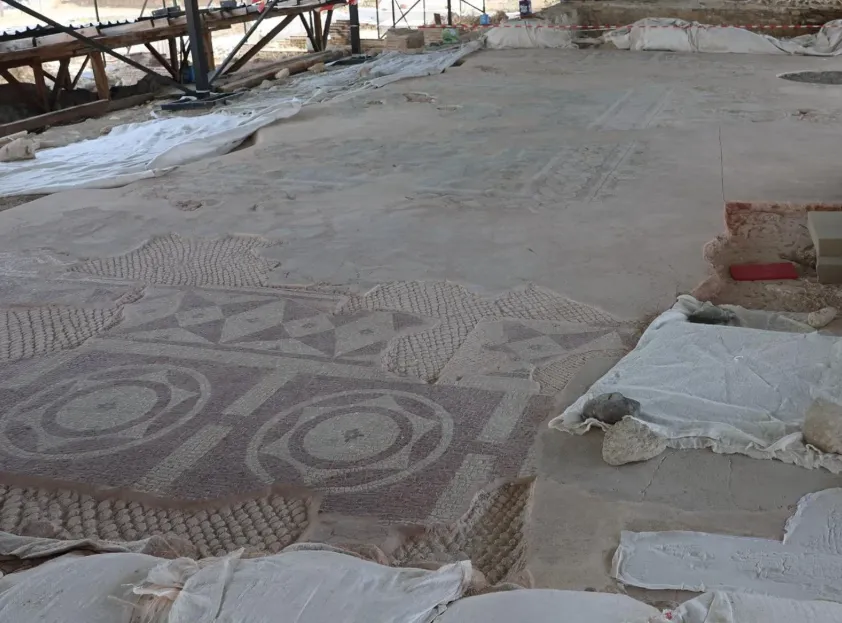
Currently, the restoration is focused on the triclinium—the Roman villa’s official dining hall, covering 112 square meters, where the owners entertained guests.
Last year, archaeologists restored about 10 square meters of mosaics, and this year’s four-month expedition is significantly expanding the scope of the restoration.
According to Dr. Eliyushuk, archaeological evidence suggests that the complex may be significantly larger than the area already excavated.
“Although we currently estimate the villa’s area to be approximately 3,000 square meters, there is evidence suggesting that it may be even larger.”
He also emphasized that no Roman residence of this size—which most likely belonged to a member of the Roman Empire’s ruling elite—had previously been found in northern Anatolia or the western Black Sea region.
Archaeologists believe the villa was built in the 2nd century CE and remained inhabited until the 6th century—that is, for nearly 400 years.
This long period of existence allows researchers to trace the evolution of architecture, interior decoration, and the daily lives of the residents over several centuries.
In addition to scientific research, the team is working on developing tourism infrastructure.
“We are also developing infrastructure for tourism. One of our goals is to add a new tourist attraction to the network of Kastamonu, Anatolia, and the Black Sea region,” noted Dr. Mevlüt Eliyushuk.
The researchers emphasize that the unique mosaics, created nearly 1,800 years ago, remain a valuable source of knowledge about the life, culture, and art of the Roman elite, and the discovery of Pompeiopolis could become one of Turkey’s most significant archaeological projects in recent years.
Heritage Daily reports on this.
Earlier, British archaeologists discovered 800-year-old remains of a medieval castle beneath the Crown Court building in Chester. The find was an unexpected discovery during surveys of the area and helped reveal new details about the city’s history.
As a reminder, gold jewelry dating back to before the Bronze Age Catastrophe was found in Cyprus.
Near Halych, archaeologists have found unique medieval artifacts.


