
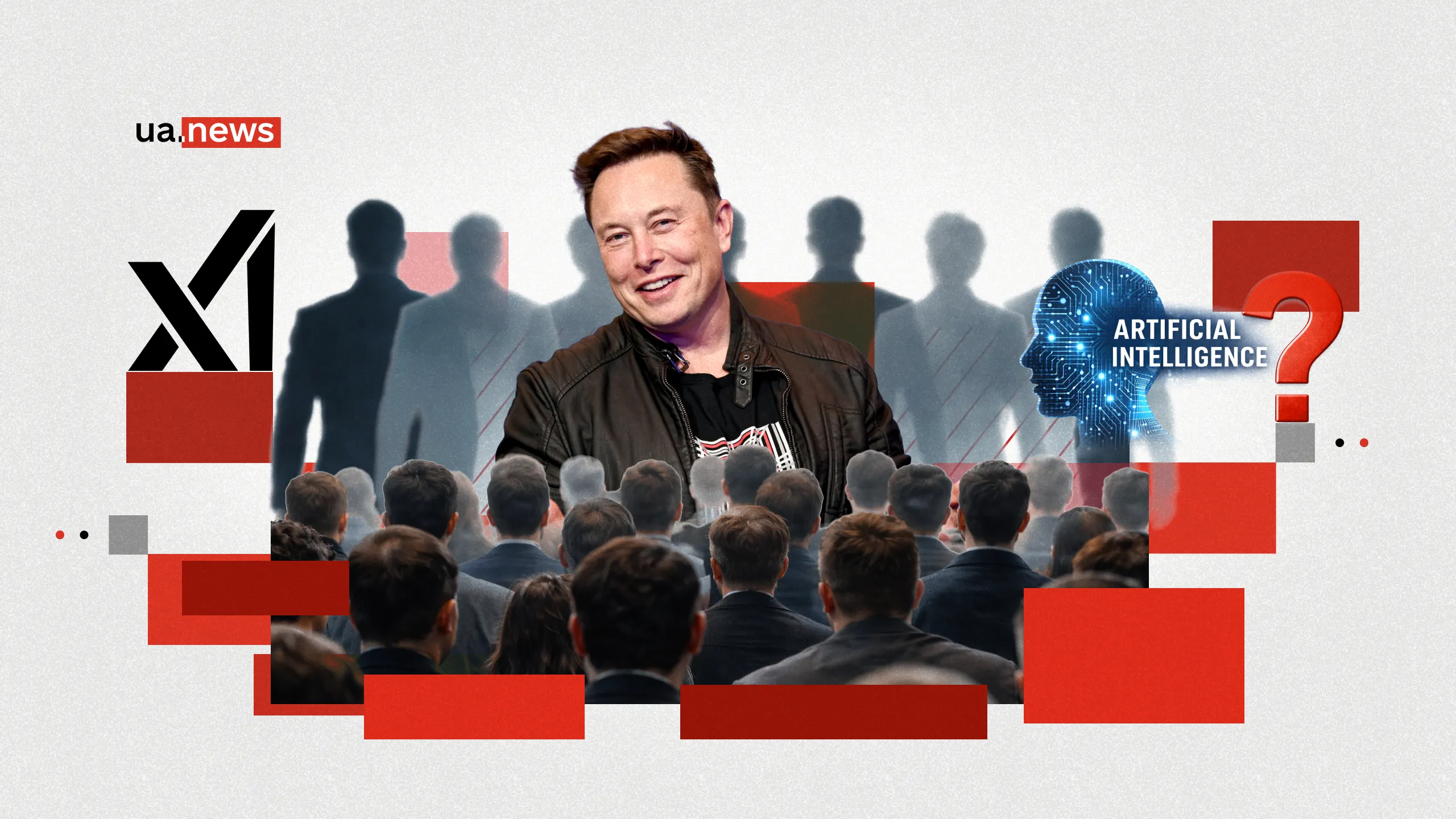
Half of xAI co-founders leave: What’s happening inside Elon Musk’s company and why the AI market is shifting
16 February 2026 10:45On February 11, 2026, several global media outlets reported that Elon Musk had carried out a reorganization of xAI. He decided to change the internal structure of the company so that it could operate faster and more efficiently as its scale increased. These changes occurred against the backdrop of a merger between xAI and SpaceX. SpaceX acquired xAI at a valuation of $250 billion. The total value of the merged company exceeds $1 trillion.
Against this backdrop, it became known that out of 12 co-founders, only 6 remain on the team. In other words, half of the people who were at the origins of the company have already left. TechCrunch noted that most departures did not happen gradually but over roughly one year. This was not a stretched-out change over time, but a concentrated wave of exits.
Why did key people leave the company precisely at the moment of scaling? Are there similar precedents? What does this say about the state of the AI market? UA.NEWS explores this in detail.
Why co-founders left xAI
After Musk announced the xAI reorganization, it became clear that the company needed faster execution. This is the first reason. Some people want to focus on research and build the “perfect technology,” while others want to release products quickly, update them regularly, and earn revenue. When management talks about “efficiency,” they often mean the latter.
The second reason is changing roles within the company. As a startup grows, it ceases to be a “team fueled by enthusiasm,” where founders make all decisions together. Rules appear, managers of directions are appointed, tasks and controls become formalized. Some co-founders realize at this point that their freedom and influence are no longer what they were at the start. In xAI, this is amplified by the merger with SpaceX. Mergers always involve a different scale, different requirements, and much more pressure to deliver results.
The third reason is competition for priorities and resources. In AI, this means who gets computing power, which tasks become a priority, and which model will be developed first. Under such conditions, conflicts are almost inevitable, especially when the team grows quickly and rules become stricter.
The fact that this wave of departures affected specific names (including Jimmy Ba and Tony Wu, and earlier — Igor Babushkin, Kyle Kosik, Christian Szegedi, and Greg Young) shows that this was not an isolated incident but a series of decisions during a period of change. From the outside, it may appear as a crisis, but it is often just a painful stage when the company rapidly “gains weight.”
Similar precedents in other AI companies
Yes, there have been similar cases, even in companies as prominent as xAI.
OpenAI
On May 14, 2024, OpenAI officially announced that co-founder and chief scientist Ilya Sutskever was leaving the company. His successor as chief scientist became Jakub Pachocki. Sutskever confirmed his departure the same day on X, stating that he would work on a new project.
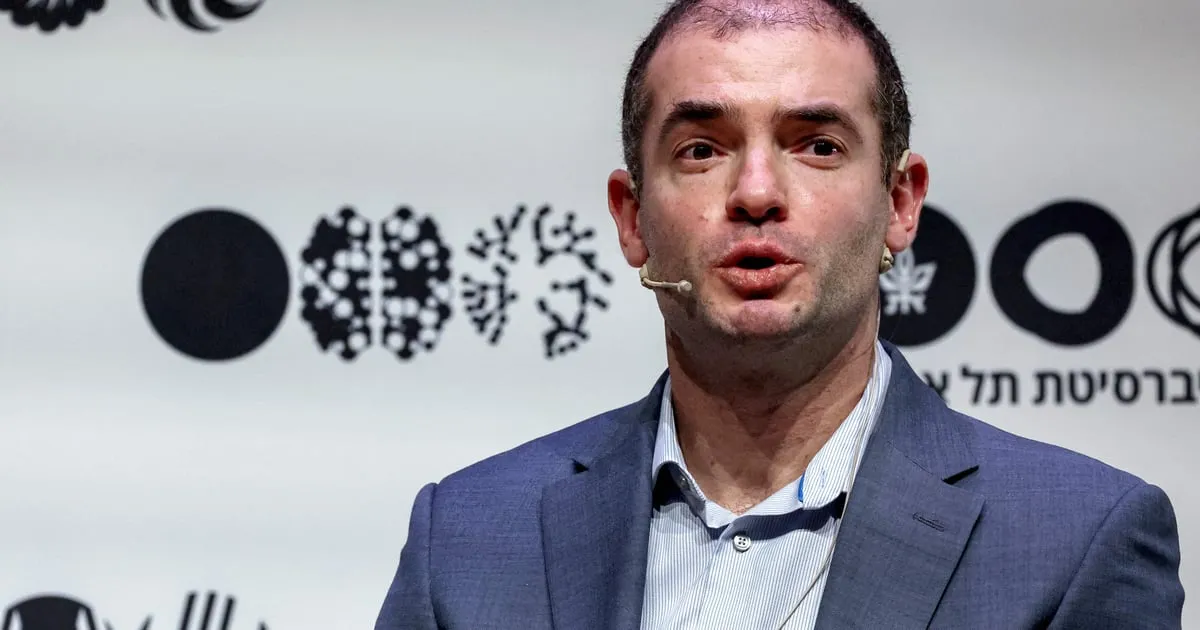
Many interpreted this exit as the logical conclusion of a management crisis at OpenAI at the end of 2023. At that time, the board unexpectedly removed Sam Altman from his position. However, within a few days, Altman returned after intense internal conflict and pressure from employees and partners.
In March 2024, OpenAI released the results of an independent review of these events. It concluded that the root of the problem was a “breakdown of trust and relationships” between management and the previous board, not a single incident.
Therefore, Sutskever’s departure was seen not as a simple “business reorganization” but as a result of OpenAI effectively resetting its governance system after the crisis. Officially, OpenAI presented this as a change in scientific leadership, but against the backdrop of the 2023–2024 events, it appeared as a continuation of a large redistribution of roles and influence within the company.
Stability AI
In March 2024, Stability AI founder Emad Mostaque stepped down as CEO and simultaneously left the board of directors. The company explained that he decided to focus on “decentralized AI” — making AI more distributed rather than concentrated in the hands of a few large players.
Axios provided a broader description of these events, noting that at the time, Stability AI was already facing internal problems, staff departures, and pressure from investors. This case is similar to previous examples not in specifics but in mechanics: when an AI startup becomes a large business, stability in products, risk control, and investor-friendly management become necessary. In such a system, a founder either adapts to new requirements or leaves (sometimes voluntarily, sometimes under pressure).
What this means for the AI market
What is happening with xAI, and what happened at OpenAI and Stability AI, shows one thing: the AI market has entered a new phase. The main competition is no longer only about technology but also about people and influence.
In 2022–2023, the main question was who could build the most powerful model and achieve the best results. Now, the focus has shifted. It is important not just to create a model once but to have the resources and control to continually improve it, integrate it quickly into products, and scale without obstacles. This shifts the balance of power: research-focused founders often want more freedom, while investors and management want predictability, control, and discipline.
The second significant change is that key specialists have become “levers of influence.” When a top expert moves from one AI lab to another, they bring unique knowledge from the previous project along with authority. In the community, people often listen to specific individuals, not just the company brand. For these specialists, compensation is not the only incentive: they are also given decision-making power regarding the company’s direction and risk tolerance.
Thirdly, the market is undergoing a reshuffling of players. Some teams gather around large ecosystems because they provide resources. Others move to smaller labs and startups, where it is easier to pursue ideas without heavy bureaucracy. In the end, this is a redistribution of influence, determining who will become the new “center of gravity” and which people will follow in the next wave.


