
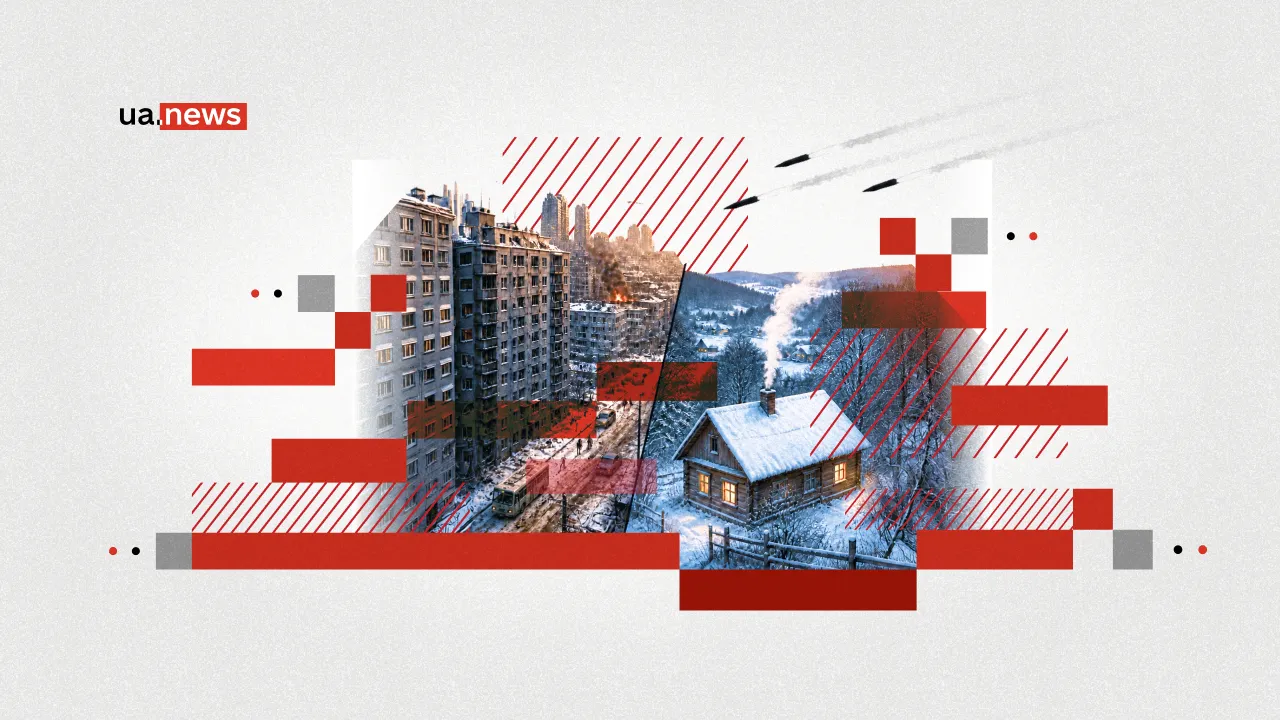
It’s already mid-August, which means that the warm summer of 2026 is coming to an end. There are just under four months left until winter. At the same time, the situation with air defense systems has gone from simply bad to dire. Ukraine faces a chronic shortage of anti-ballistic missiles, a fact that President Zelenskyy and other officials constantly highlight.
Recently, Kyiv and other cities have turned into a veritable “shooting range” for Russian ballistic missiles. It has become quite “normal” for several dozen missiles to fly toward the capital without a single one being shot down. At the same time, Kyiv has still not received a license to manufacture Patriot systems in Ukraine, and it is by no means certain that it will ever receive one.
The situation appears to be at a stalemate. Winter, meanwhile, promises to be extremely difficult, a fact that various speakers—from experts to members of parliament and ministers—never fail to remind us of regularly on television. But the solutions these “experts” offer, with rare exceptions, boil down to a few pieces of advice: “buy power banks and charging stations,” “stock up on firewood,” and “everyone should go spend the winter in the countryside.”
And while purchasing portable power sources is indeed useful advice (provided, of course, the individual or family can afford it!), everything else comes across as either a complete misunderstanding of the situation in the country and society, or simply a blatant mockery of the people. The level of urbanization in Ukraine stands at 70%: this means that 7 out of 10 Ukrainians live in cities, often in large metropolises with populations exceeding one million. If even half of them were to heed this foolish “advice” and move to the countryside, it would lead to the collapse of both Ukrainian villages and Ukrainian cities. Villages lack the necessary infrastructure and housing stock; they are physically incapable of “absorbing” such a large number of people relocating there. Cities, in turn, would simply grind to a halt and wither away from lack of resources if events unfolded this way. Ukraine’s economy would quickly collapse because, de facto, there would be no one left to work or pay taxes.
All of this looks like a scenario of total collapse. Not even Putin, with his missiles and drones, is capable of causing anywhere near as much damage as a situation in which the entire population of Ukraine suddenly moved en masse from the cities to the countryside. So, advising something like this means either exposing one’s utter incompetence or deliberately wishing for Ukraine to collapse as quickly as possible.
How should we view “advice” from television, why is it far from always reasonable and sensible, and what should the government actually be doing to prepare for a difficult winter without shifting the burden of survival onto the people’s shoulders? UA.News turned to experts for answers. Read more in our article.
The government has no right to shift responsibility for the winter onto citizens: Ruslan Bortnik, director of the Ukrainian Institute of Politics
As for advice like “everyone should buy firewood and go to the countryside”—it’s just like the saying: the well-fed cannot understand the hungry. We also recall the historical myth of a French queen who, when told that people were starving and had no bread, replied, “Let them eat cake.” It’s a myth—no one actually said that—but it very clearly reflects what’s happening between the elites and society.
Why do the elites talk about firewood? Because most of the elites live in private homes. They have apartments where they temporarily stay in Kyiv or other cities, but most of the elite live in private homes, and for them, burning firewood is truly a last resort for heating. That’s the first point.
Second, many members of the elite have roots in the countryside; they come from rural areas, so when they talk about moving out of the cities, they’re simply thinking from their own perspective, one ingrained in them since childhood. This isn’t good or bad. It simply demonstrates a lack of professionalism and empathy on the part of society, and it also appears to be an attempt to shift the blame away from the government for failing to prepare for winter. This advice could widely be perceived as the authorities admitting their powerlessness due to their inability to guarantee adequate basic living conditions for citizens, and attempting to shift this responsibility directly onto the citizens themselves. After all, if a humanitarian crisis arises due to a prolonged lack of heating or electricity, those same spokespeople will say, “Well, we did warn you!”
This is an attempt to shirk responsibility; it is irresponsibility on the part of the authorities. It is precisely the government’s duty to ensure that citizens can get through the winter. If it is not possible to provide centralized heating and electricity, then the state must purchase and distribute charging stations, portable heating units, and other such equipment to citizens. In other words, it must take action!
The government must plan and develop evacuation programs from cities and urbanized areas to safer, war-undamaged regions of Ukraine: Western Ukraine, Zakarpattia, and so on. But the government must take action! It has no right to shift responsibility onto citizens and simply claim that everyone is on their own. After all, from this perspective, the very necessity and purpose of the state as a collective social structure for protection and ensuring living standards in a given society disappears.
In my opinion, this isn’t very good advice; it only serves to intimidate society. Although we still don’t know for certain what will happen this winter—what the level of Russian military capabilities will be, or what will happen to our air defense system. If the winter is mild, there won’t be a global crisis. But if it’s cold, we won’t have enough missiles for our air defense, and Russia will keep launching strikes—we could indeed face localized humanitarian crises. We need to prepare for this.
The war has been going on for almost five years! Some regions and cities should have been completely evacuated long ago to safer and more livable areas.

There needs to be a concrete action plan for getting through this winter: Volodymyr Fesenko, director of the “Penta” Center for Applied Political Studies
Different speakers say different things. Take the lawmakers—many of them, let’s just say, aren’t very competent. And they say some pretty silly things and give equally silly advice. That’s why we need to listen to speakers who talk about topics within their area of expertise. But statements like “stock up on firewood, go to the countryside”—that’s not a competent opinion. It’s purely an emotional reaction to the problems.
Not everyone can go to the countryside. Not everyone has that option. And even if you do go—how are you supposed to make a living there if you don’t work online? So what’s the point of the countryside then? And if a person can work online, they won’t go to the countryside, but to some small town where the impact is less severe, where there are fewer risks, and so on. But what about elderly people who have nowhere to go?
Central and local authorities—not just in the capital!—need to work together to develop joint action plans. If the Russians take out the thermal power plants that serve residential areas again, there needs to be a plan of action: where and how to evacuate people in the freezing cold, even if only temporarily. That’s what we need to be thinking about. Not offering silly advice like “go to the countryside.”
Those who have the means and the money should go abroad if possible. I’m talking first and foremost about women with children… And again: this needs to be worked out together with the Europeans. There must be a joint plan for getting through this winter. Either we need defensive tools—such as missiles for air defense systems—to reduce the risks, or we need to be frank with the Europeans and tell them to expect a new wave of forced migrants. And by the way, this flow is already starting to gain momentum. Those who have the money and the means are leaving right now. And in the winter, this flow may increase. Some enterprises, primarily military ones, also need to be relocated along with their production facilities and personnel… In other words, there must be a comprehensive set of well-thought-out measures, not half-panicked advice like “flee to the countryside.”

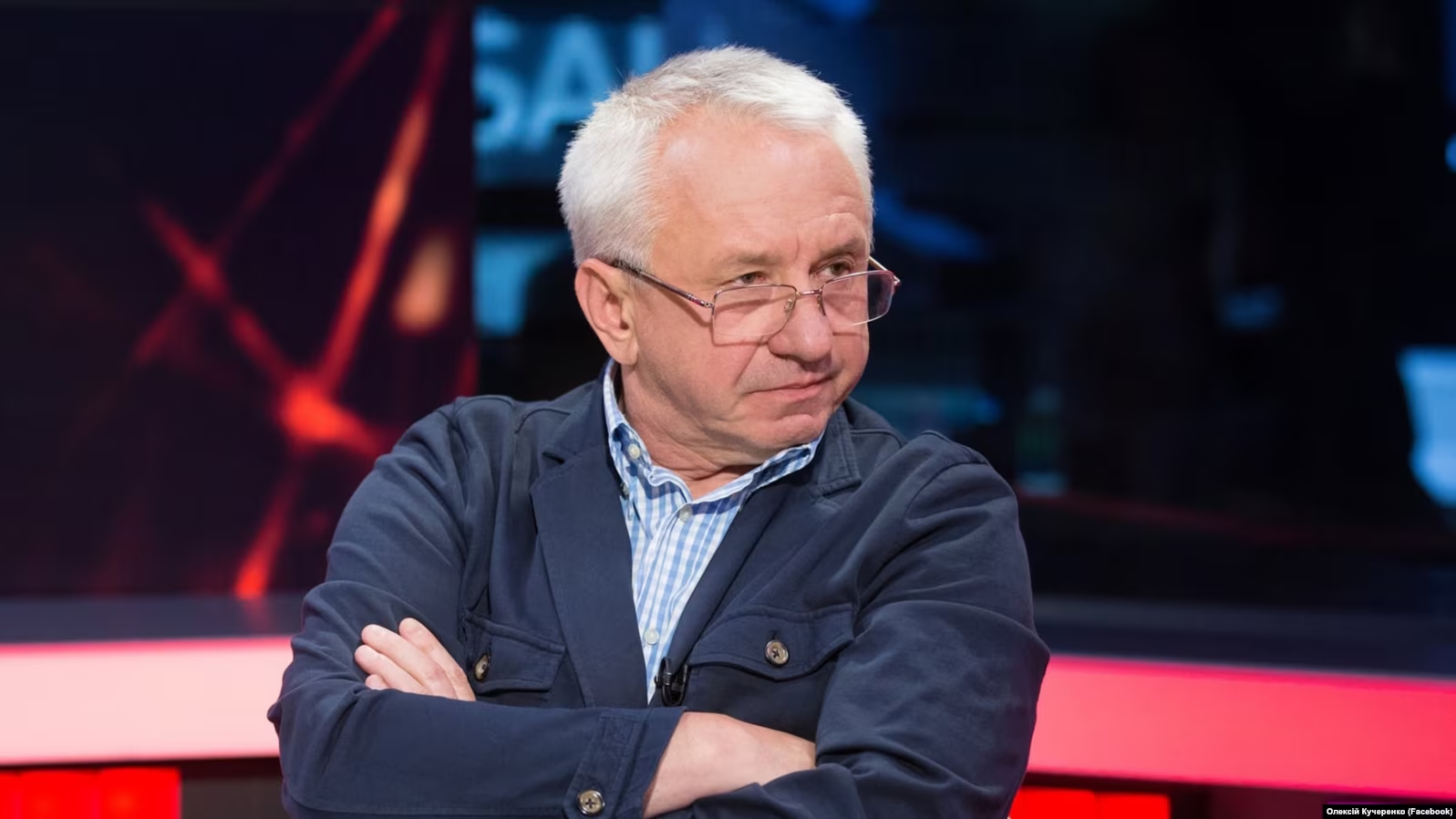
People need to prepare for winter, and the government needs to stop the war: Oleksiy Kucherenko, Member of Parliament and First Deputy Chair of the Committee on Energy and Housing and Utilities
If you have a country house, firewood won’t go to waste in case of potential gas supply issues. I don’t want to be a prophet of doom, but I’ve had a stockpile of firewood for a long time, just in case—as a backup. This doesn’t mean you should burn firewood in apartments, of course. Because as soon as I mention firewood, the media will jump on it with sensational headlines. Why create a fuss out of nothing?
What should people do? Prepare. There’s a war; there are missiles; they’re flying. The situation from last winter could very well repeat itself. So what should people do? I’ll say it again: prepare. What should the government do? Stop the war! And what else should it do?
We do have some plans for the winter—the so-called “resilience plans” and all that. But finally, everyone has started to acknowledge that we may not be able to avoid problems this winter, that it won’t be possible to avoid all of them. Both the president and the government are saying this. They’re already compiling lists in Kyiv of people who will need to be transported or evacuated in the event of a critical situation. Ask Klitschko what that will look like.
Preparations for winter are once again being shifted onto citizens and businesses: Yevhen Magda, director of the Institute of World Policy
Stoking fears about the upcoming winter is evidence of the ineffectiveness of the government’s information policy. And, in fact, of winter preparations as such—that is, government policy regarding the provision of public utilities—if such a policy even exists.

Unfortunately, we tend to talk a lot more than we act. Although it seemed that last year’s winter would teach many a lesson and force them to act more appropriately. But, unfortunately, that didn’t happen. And it’s a shame that’s the case. It’s a shame that once again, the burden of preparing for winter is being shifted onto the shoulders of citizens and businesses, rather than the government. But we have what we have.
When there’s no effective communication, trying to create it on the fly—as if to say, “Grab your bags, the train’s leaving”—isn’t a good idea. Especially in wartime.




