
New charges have been filed against a State Border Guard Service official and a businessman in the drone bribery case
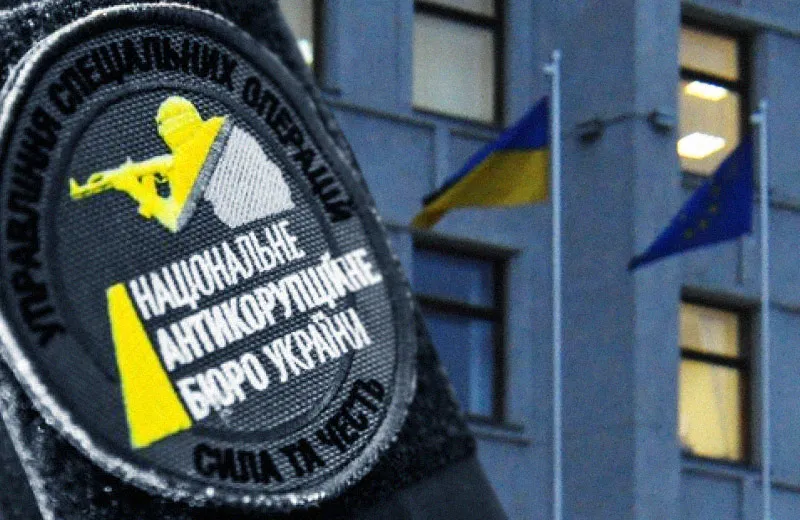
An official with the State Border Guard Service of Ukraine and the owner of a private company have been charged with new counts in a case involving bribes for the unimpeded supply of drones. Law enforcement officials are also investigating the possible laundering of illegally obtained funds through cryptocurrency.
During the investigation into the first episode of the case, detectives discovered that the State Border Guard Service official possessed more than 400,000 units of the cryptocurrency Tether (USDT). According to the investigation, he received 50,000 USDT as a bribe from the owner of a company that he helped win a tender to supply drones.
Law enforcement officials claim that the official acquired another 350,000 USDT with funds illegally obtained from participants in defense procurement contracts. The total amount of these funds was 15.4 million hryvnias.
The suspect converted part of the cryptocurrency into cash. With this money, he purchased a Mercedes-Benz GLC 300, which he registered in his wife’s name.
NABU and the Specialized Anti-Corruption Prosecutor’s Office (SAPO) notified the State Border Guard Service official and the owner of a private company of the new allegations. These involve the provision of an unlawful benefit and the laundering of illegally obtained proceeds.
Earlier, the Supreme Court upheld an 11-year prison sentence for a former judge from Dnipro on bribery charges.
As a reminder, on September 7, the High Anti-Corruption Court imposed a preventive measure on a member of the Volyn Regional Council who is suspected of receiving an unlawful benefit for facilitating the construction of an apartment building in Lutsk.
A judge from Zakarpattia, convicted of bribery, was released from prison early.
A female officer of the General Staff was detained for accepting a bribe of $14,000.
In the Chernihiv region, a detained deserter attempted to offer a bribe of 40,000 hryvnias.
The SBU and the National Police uncovered 12 schemes to evade mobilization in eight regions.




