September 4, 2026 Holiday — Customs Broker Day in Ukraine: History of the Profession and Interesting Facts
September 4 is Customs Broker Day in Ukraine—a professional holiday celebrating those who help businesses navigate customs procedures and transport goods across the border. The date is linked to an order issued by the State Customs Committee of Ukraine on September 4, 1992, which approved the first special regulations governing the activities of customs brokers.
Customs Broker Day in Ukraine is celebrated annually on September 4. In 2026, this date falls on a Friday. The holiday does not have the status of a national holiday or an officially established professional day, but for many years it has been observed in the industry as a date to honor employees of customs brokerage firms.

The history of this date dates back to 1992, when Ukraine was just establishing its own customs system following the declaration of independence. It was during this period that the need arose to clearly define how intermediaries between businesses and customs authorities would operate. On September 4, 1992, the State Customs Committee of Ukraine issued Order No. 173, “On the Approval of the Regulations on the Activities of Customs Brokers in Ukraine.” The document became one of the first regulatory acts to directly govern the work of customs brokers in Ukraine.
The Origins of the Holiday
The 1992 order itself did not establish a professional holiday. It defined the rules governing the activities of customs brokers. For this reason, it would be inaccurate to say that Customs Broker Day was officially established in Ukraine in 1992. The idea to designate September 4 as a professional holiday emerged much later. On May 28, 2009, the Association of Brokerage Companies appealed to the State Customs Service of Ukraine, requesting support for establishing September 4 as Customs Broker Day. It was following this initiative that the date began to be observed as a professional holiday for industry representatives.

Thus, this date actually has two important reference points. The first is September 4, 1992, when a special regulatory document governing the work of customs brokers was issued. The second is May 28, 2009, when the professional community proposed establishing this date as Customs Brokers’ Day. Interestingly, the 1992 regulatory act itself is no longer in effect today. It was repealed following further developments in Ukrainian customs legislation. However, the date of its adoption remains symbolic for the profession.
Who Are Customs Brokers?
Simply put, a customs broker is a specialist or company that helps another person navigate customs procedures when moving goods across the border. Today, the law defines a customs broker as a company authorized to conduct customs brokerage activities. Such a broker can provide customs representation services and declare commercial goods and vehicles on behalf of another party.
For businesses, this means they do not need to navigate every customs procedure on their own. The broker prepares and submits the necessary documents, assists with declaring goods, interacts with customs authorities, and ensures that all paperwork is completed correctly. The specific scope of their authority is determined by the contract with the client. A customs broker essentially acts as an intermediary between the company and customs. The speed with which goods clear the necessary procedures may depend on the broker’s work. An error in the documents or incorrect information about the cargo can lead to additional inspections, delays, or other problems for the company.
The current Customs Code provides for two types of customs representation: direct and indirect. In direct representation, the broker acts in the client’s best interests and on the client’s behalf. In indirect representation, the broker acts in the client’s best interests but in their own name.
What a Customs Broker Does
A customs broker’s work extends far beyond simply filling out a declaration. The specialist must determine exactly what goods are being transported, correctly identify the required documents, and oversee the completion of customs formalities. Key tasks include preparing and submitting customs declarations, handling cargo documentation, liaising with customs authorities, and assisting the client throughout the clearance process. Brokers may also advise businesses on customs procedures and requirements for specific shipments.
An important part of the job is verifying information. The documents must contain consistent data regarding the goods, their quantity, value, origin, and other characteristics. The calculation of customs duties depends on the accuracy of this information. Specialists must also stay abreast of changes in legislation. Customs regulations are updated regularly, and an error caused by outdated information can create problems for the client. Therefore, a good broker must continuously learn and keep up with new requirements.
Why This Profession Is Important for Business
A customs broker is especially essential for companies that regularly handle international shipments. For a large importer or exporter, even a minor delay in cargo can result in financial losses. That is why companies often entrust customs clearance to specialists who handle this professionally. A broker helps businesses save time and minimize errors in documentation. They can also alert the client in advance to any documents or permits required for a specific transaction. This is particularly important when dealing with complex or specialized categories of goods.
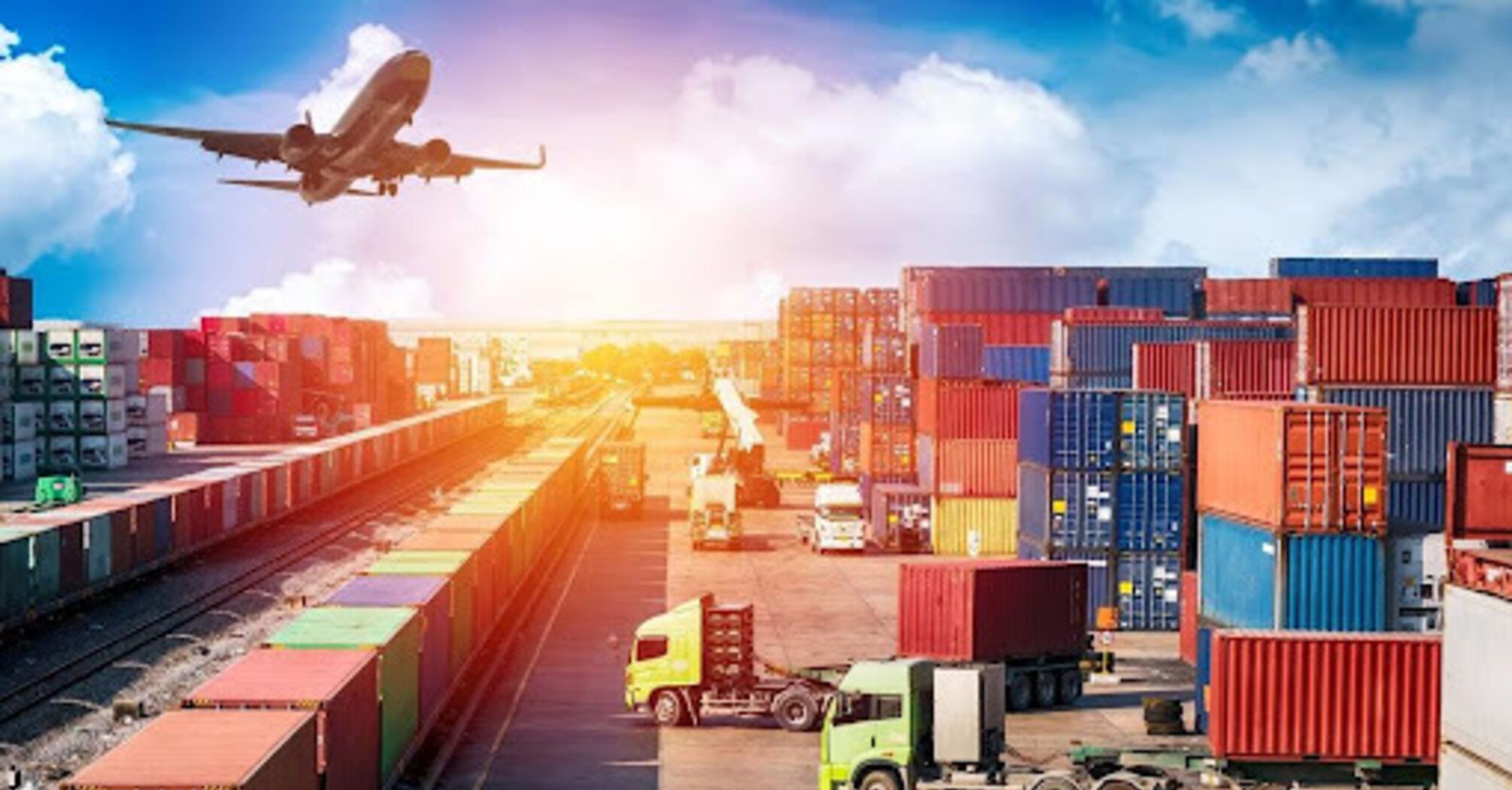
In fact, a customs broker helps make international trade more predictable. Their services are not limited to large companies; various businesses that move goods across customs borders can utilize the services of customs brokers. The State Customs Service also maintains a registry of companies authorized to engage in customs brokerage activities. Information about this registry is available through the “Single Window for International Trade” portal.
What Knowledge Does a Customs Broker Need?
This profession requires more than just knowledge of customs regulations. A broker must be well-versed in documentation, foreign trade operations, logistics, and the specific characteristics of various types of goods. It is equally important to be able to quickly find the necessary information. Legislation can change, and the same procedure may have different requirements depending on the type of goods or customs procedure.

The job also involves a lot of communication. A customs broker interacts with clients, carriers, customs authorities, and other parties involved in the process. Therefore, attentiveness and the ability to explain complex procedures in simple terms are just as important here as knowledge of the law. Another important trait is responsibility. Customs clearance involves documents, payments, and legal consequences. A mistake can affect not only how quickly the cargo clears customs but also the company’s financial costs.
How Customs Broker Day Is Celebrated
Since Customs Broker Day is an unofficial professional holiday, there are no mandatory rules for celebrating it. There is also no single, standardized format for marking the day nationwide. Typically, the professional community congratulates industry workers, publishes celebratory messages, and highlights the work of customs brokers. Industry organizations may hold seminars, training sessions, conferences, and professional meetings.

For example, the Association of Customs Brokers of Ukraine organizes professional training events and seminars for industry representatives. The association’s areas of focus include training specialists in customs clearance, educating declarants, and organizing events for businesses in the fields of logistics and foreign economic activity. For the employees themselves, this is also an opportunity to meet with colleagues, discuss changes in customs legislation, and exchange experiences. Companies may hold small corporate events or simply congratulate their employees on their professional holiday.

The contribution of customs brokers during the war is also highlighted. Representatives of the Ukrainian Customs Brokers Association noted that after the full-scale invasion began, some specialists continued to handle humanitarian and logistical cargo, while some companies were forced to relocate closer to the western border.
Interesting Facts About the Profession
One of the most interesting facts is that a customs broker is not a customs official. A customs broker is a separate party to customs legal relations who represents the interests of their client.
At the same time, a broker cannot simply act at their own discretion. Their authority is defined by a contract with the client, and their activities are regulated by the Customs Code and other regulatory acts.
Another important point is that the current system is gradually transitioning from the old licensing model to the authorization of customs brokerage activities. This is also reflected in the current Customs Code of Ukraine, where a customs broker is defined as an enterprise that has been granted the appropriate authorization.
It is also interesting to note that a customs representative can work at any customs office in Ukraine. In other words, the activities of such an enterprise are not limited to a single specific border crossing point or customs office.
The profession itself has existed in Ukraine for over three decades. During this time, the rules governing customs brokers’ work have changed significantly, but their main role has remained the same—to help individuals and businesses navigate customs procedures correctly.
Why September 4 Is Important for the Profession
Customs Broker Day is, first and foremost, an opportunity to draw attention to a profession that usually goes unnoticed until a problem arises with cargo at the border. Every international shipment involves a large number of documents and procedures. It is crucial for businesses that these be completed correctly and on time. September 4 marks the beginning of the formal regulation of this profession in independent Ukraine. In 1992, the state was just establishing its own customs system, and the activities of brokers had to be regulated by separate rules. Years later, the professional community decided to designate this very date as their day.

That is why, on September 4, we celebrate customs brokers, declarants, and other specialists who work with customs clearance on a daily basis. For them, this is not just a date on the calendar, but an opportunity to draw attention to their profession and its importance for international trade.