
Holiday on September 6, 2026 — The Miracle of St. Michael: History, Traditions, and Taboos

On September 6, according to the New Julian calendar, Christians commemorate the miracle of Archangel Michael in Chonae. According to church tradition, the archangel saved the church from a powerful flood that pagans had sought to direct toward the sanctuary. This day is known as the Miracle of St. Michael and is associated with prayer, mercy, and faith in heavenly protection.
Michael’s Miracle is celebrated annually on September 6 according to the New Julian calendar. According to the old Julian calendar, this date corresponds to September 19. In the church calendars of the OCU and the UGCC, this day is called the Commemoration of the Miracle at Colossae—that is, at Chonae—performed by Archangel Michael. In 2026, the Miracle of St. Michael falls on Sunday, September 6. This is not the same feast as the Synaxis of Archangel Michael, which Christians celebrate later—on November 8 according to the New Julian calendar. September 6 commemorates a specific event associated with the church and its miraculous salvation from the floodwaters.
The name “Michael’s Miracle” derives from the central event of this legend. According to church tradition, the Archangel Michael intervened when pagans attempted to destroy the church and kill its priest. The water was supposed to flood the sanctuary, but, according to the legend, Michael opened a crevice in the rock, into which the water flowed. Therefore, for believers, this day is first and foremost a day of remembrance of that miraculous rescue. In the Church, Archangel Michael is remembered as the protector and commander of the heavenly forces.
Where Did the Story of the Miracle Come From?
The events commemorated on September 6 are associated with ancient Phrygia in Asia Minor. Near the city of Hierapolis, in the region of Heretopos, there was a church dedicated to the Archangel Michael. Near it was a spring whose water people believed to be healing. According to legend, a man from Laodicea had a daughter who was mute. Archangel Michael appeared to the father in a dream and told him that the girl would regain the gift of speech if she drank water from the spring. The father brought her to the holy site, and after she drank the water, the girl began to speak.
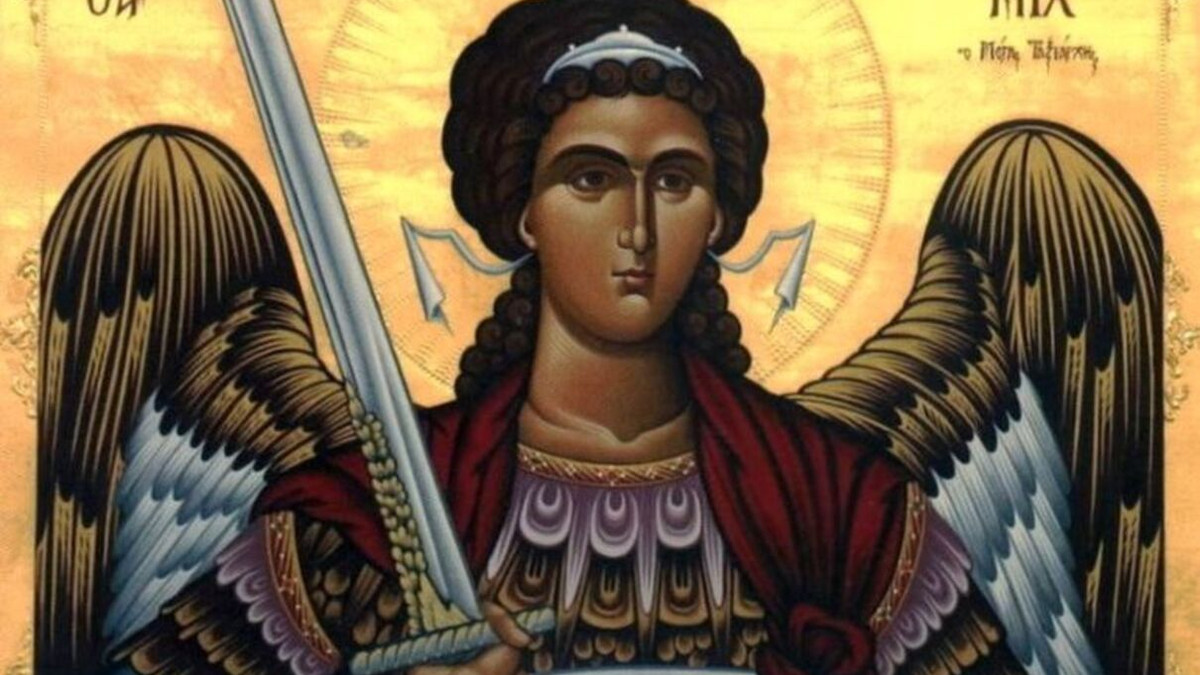
After that, the man, along with his daughter and the entire family, was baptized. As a sign of gratitude, he built a church near the spring in honor of the Archangel Michael. Over time, not only Christians but also pagans, who likewise believed in the healing power of the spring, began to visit the holy site. It is around this church that the main part of the story of Michael’s miracle unfolds.
How Michael Saved the Church
For many years, a Christian named Archipus cared for the church. According to church tradition, he served at the shrine for about 60 years. Archipus preached Christianity and helped the people who came to the spring. Because of this, some of the pagans viewed him with hostility. They wanted not only to get rid of Archip himself but also to destroy the temple, which was attracting an ever-growing number of people.
To do this, they devised a way to divert the waters of two rivers toward the shrine: the Likokaper and the Kufos. They altered their courses so that the flow of water would rush directly toward the temple. Archip sensed the danger and began to pray to the Archangel Michael. According to legend, it was then that Michael appeared near the temple. He struck a rock with his staff, causing a wide crevice to form in it. All the water that was about to destroy the church flowed into this crevice. The sanctuary remained unharmed, and the attackers, seeing what had happened, fled. It is this very event that Christian tradition calls the miracle of Archangel Michael.
Why the Place Was Named Khony
The story has another interesting detail—the name of the place itself. According to church tradition, after the water rushed into the crevice, the area came to be called Khony. In Greek tradition, the name is associated with the meaning “plunge” or a place where water flows downward. That is why two names—Kolosi and Khony—appear side by side in church texts.

This event became so significant for the Christian tradition that its commemoration was enshrined in the church calendar. On September 6, the faithful commemorate not just the Archangel Michael, but the specific story of the church’s salvation. In liturgical texts, Michael is referred to as the heavenly commander and protector. The troparion for this day includes a plea to him to protect people from danger.
Who Is Archangel Michael?
Archangel Michael holds a special place in Christian tradition. His name comes from the ancient Hebrew language and is usually translated as “Who is like God?” In biblical and ecclesiastical tradition, Michael is portrayed as one of the principal heavenly defenders. That is why he is called the Archangel, that is, the chief commander of the heavenly host.
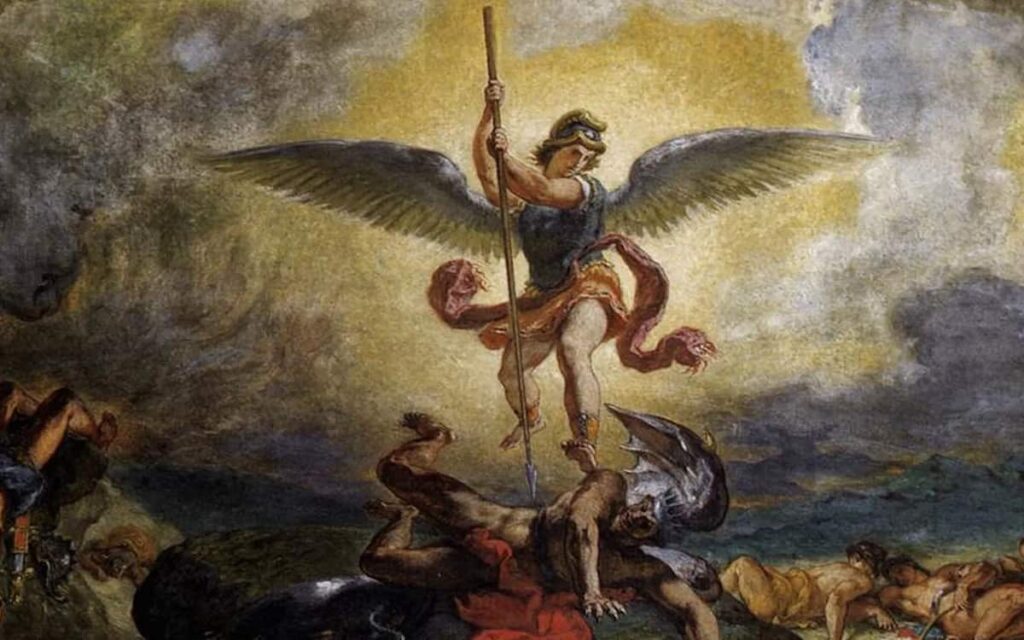
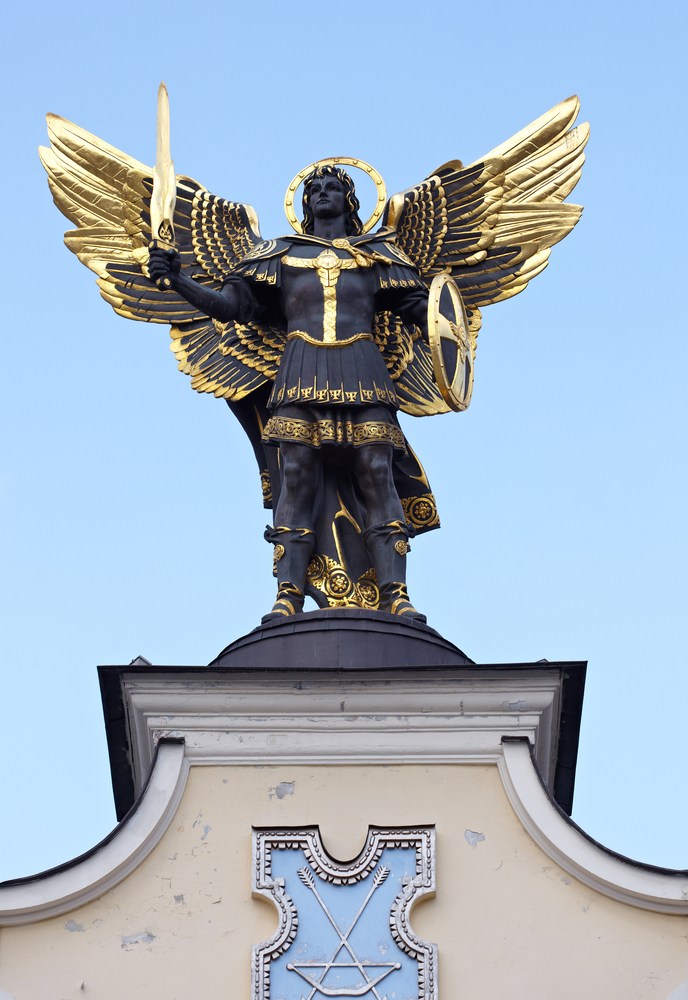
The image of Michael is often associated with the struggle between good and evil. In icons, he is frequently depicted with a sword or a spear. This symbolizes victory over evil and the protection of those who turn to God. At the same time, September 6 is not the main feast day dedicated to all the heavenly forces. The main feast in honor of the Archangel Michael and other incorporeal forces is celebrated on November 8 according to the New Julian calendar.
What People Do on This Day
The Feast of St. Michael is, first and foremost, a church commemorative day. Believers can visit a church, participate in the service, and pray to the Archangel Michael. They pray especially for protection from danger, for the health of family and loved ones, for peace in the family, and for spiritual support. For many people, this day is an opportunity not only to ask for something but also to give thanks for help received.
In churches, prayers are recited and the miracle at Chona is commemorated. Believers may also light candles for the health of loved ones or for the repose of the departed, if this aligns with their intentions and church practice. On this day, it is fitting to do a good deed for another person. Helping an elderly neighbor, supporting someone who finds themselves in a difficult situation, visiting the sick, or simply not turning a blind eye to another’s problem—such actions are well in line with the general Christian spirit of the day.
Traditions and Folk Beliefs
Over time, folk traditions have also developed around St. Michael’s Miracle. In Ukrainian folk culture, this day was seen as a time when it was especially important to avoid arguments and strive to resolve conflicts peacefully. According to folk beliefs, if people had quarreled, St. Michael’s Miracle was the time to take the first step toward reconciliation. It was believed that anger and resentment should not be carried forward, especially on a day associated with heavenly protection.
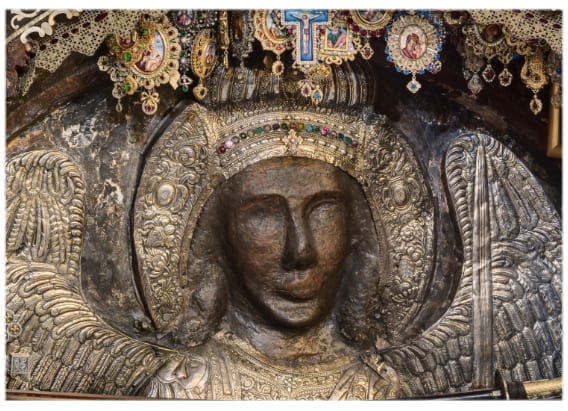
There was also a belief that on this day, one should help others without expecting a reward. Good deeds were seen as a way to demonstrate one’s faith not through words, but through actions. At the same time, it is important to distinguish between church tradition and folk superstitions. The Church does not establish a rule whereby performing a certain everyday action will automatically bring a person what they desire. Therefore, it is more accurate to refer to such beliefs as folk customs or superstitions rather than mandatory religious rules.
Is It Permissible to Work on St. Michael’s Day?
There are quite a few everyday taboos surrounding this day. In particular, popular calendars often state that on September 6, one should not work, clean, or do housework. However, such rules should be approached with a sense of reason. In Christianity, a holy day is first and foremost a time for prayer, worship, rest, and good deeds. This does not mean that a person should leave necessary tasks undone or endanger someone’s health.
If one’s work involves helping others, being on call, working in healthcare, emergency response, or other essential duties, the date itself does not make it sinful. Nor should everyday prohibitions be viewed as magical rules. The main purpose of the day is not to fear doing something “wrong,” but to remember compassion, prayer, and helping one’s neighbor.
What Are the Folk Superstitions?
Various weather omens were also associated with the Miracle of St. Michael. Like many other folk observations, they were passed down from generation to generation and were part of the traditional calendar. People paid attention to the weather, the wind, the morning dew, and changes in temperature. Based on these signs, they tried to predict what the fall would be like and when the first cold days would arrive.
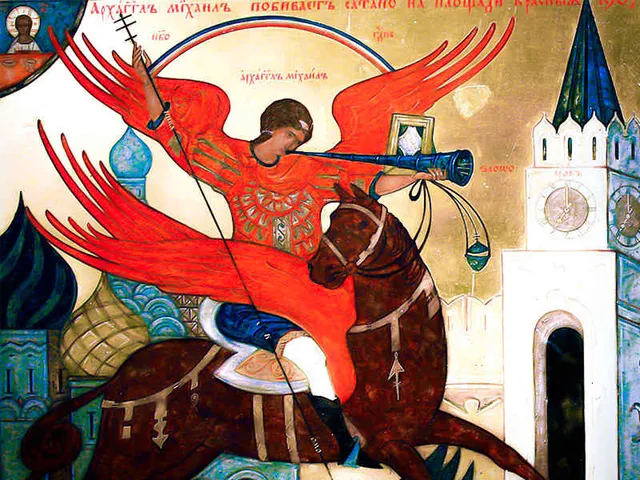
At the same time, modern science does not confirm that the weather on this particular day can accurately predict the season. Therefore, such signs are interesting primarily as part of folk culture. Such observations show just how closely the church calendar was linked to people’s daily lives in the past. Holidays helped not only to determine the timing of church services but also to navigate seasonal work and changes in the weather.
What Not to Do on This Day
Folk tradition advised against quarreling, wishing ill upon others, or refusing to help someone who asks for assistance. Such recommendations align well with the general Christian call to mercy. Nor should one turn the holiday into a day of superstitions. For example, there is no reason to believe that a certain random event automatically portends future misfortune or, conversely, guarantees the fulfillment of a wish.
Nor is there any church rule stating that a person will inevitably receive what they desire simply because they have done good deeds all day. In Christianity, prayer is not a way to “order” a specific outcome for oneself. Instead, this day can be used as an opportunity to do something good—to help a loved one, support soldiers, volunteers, or the elderly, or simply make peace with someone with whom you’ve long been in conflict.
Interesting Facts About the Miracle of St. Michael
St. Michael’s Miracle is connected to water. At the heart of the story is a spring considered to have healing properties and two rivers, the waters of which the pagans wanted to direct toward the church. According to legend, the water was meant to be a weapon against the sanctuary, but in the end, it failed to destroy it.
The legend includes a real geographical name—Khony. This is how the church tradition named the place where the water flowed into the gorge. The name is associated with the image of water falling or plunging downward.
The main character of the story is not only Michael. Archip, who served at the church for many years, plays an important role in the legend. He did not abandon the shrine even when it faced the threat of destruction, but turned to prayer for help.
The church calendar also commemorates other saints on September 6. In particular, on this day, the martyrs Eudoxius, Zeno, and Macarius are honored, as well as Saint Archipus of Hierapolis.
The story of Michael’s miracle has also left its mark on the names of churches. For example, the Chudov Monastery in Moscow was named in honor of the miracle of the Archangel Michael.
What the Miracle of Michael Means to Believers
The main message of this day is a reminder of the power of faith and prayer. According to church tradition, the church faced real danger, but Archip did not abandon the sanctuary and turned to God through prayer to Archangel Michael. For modern people, this story may have a broader meaning. It teaches that in difficult times, one should not remain indifferent to others or lose hope. Help can come not only through grand deeds but also through simple acts of support for a loved one.

The Miracle of St. Michael also serves as a reminder of the value of reconciliation. Folk tradition has linked this day to the advice not to hold grudges and to be the first to take a step toward reconciliation. Therefore, for believers, September 6 is not just a date on the calendar. It is a day when people recall the ancient church tradition of the temple’s salvation, turn to the Archangel Michael in prayer, and strive to spend the day more peacefully, doing good deeds and showing consideration for others.
When Is the Miracle of St. Michael in 2026?
In 2026, the Miracle of St. Michael will be celebrated on September 6, a Sunday. According to the Julian calendar, this corresponds to September 19. On this day, the OCU and the UGCC commemorate the Miracle at Colossae—that is, at Chonae—performed by Archangel Michael. Therefore, September 6 can be devoted to prayer, attending church, performing good deeds, and reconciling with loved ones. As for folk omens and taboos, it is best to view them simply as part of cultural tradition, rather than as mandatory rules of faith.


