
Schools for children from the Kherson region have opened in Kryvyi Rih
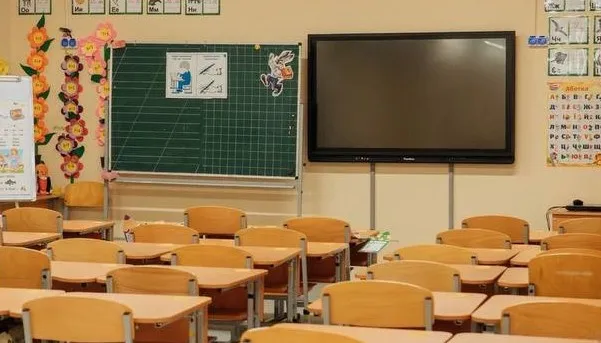
In Kryvyi Rih, two schools that relocated there from Beryslav in the Kherson region began operating at the start of the new school year. Approximately 700 children attend these schools, including 70 first-graders.
As of September 1, eight educational institutions in the Kherson region began operating in a hybrid format. Six schools are conducting classes directly in shelters, while two more institutions have relocated to Kryvyi Rih. These are the two schools from Beryslav. Separate classrooms were set up for them at Kryvyi Rih School No. 33. “As of September 1, eight educational institutions in the Kherson region began operating in a hybrid format; six schools are teaching children in shelters. The other two schools are the Beryslav schools that have been relocated to Kryvyi Rih,” Prokudin said.
He added that an agreement on the schools’ placement was reached with Oleksandr Vilkul, chairman of the Kryvyi Rih Defense Council. Separate floors at the Kryvyi Rih school have been allocated for children from the Kherson region.
About 700 children are attending school
About 700 children are currently studying at the two relocated schools. Among them are 70 first-graders who started school this year. So far, the students who have enrolled in these schools are primarily from Beryslav. At the same time, the Kherson Regional State Administration plans to provide educational support to students from other communities in the region who have ended up in Kryvyi Rih due to the war.
To this end, they plan to offer educational services to internally displaced persons through a special hub. This way, children from the Kherson region who were forced to leave their hometowns and villages will have the opportunity to continue their education within the system they are accustomed to.
Schools Continue to Operate Despite the War
Education in the Kherson region remains one of the most challenging sectors due to constant Russian shelling. Some settlements in the region are under regular attack, making it difficult to organize full-fledged in-person instruction there. That is why schools are operating in various formats. Where the security situation allows, children can attend in-person classes in shelters. In other cases, the educational process is organized remotely, or efforts are made to relocate children to safer cities.
Kryvyi Rih has become one such place for schoolchildren from the Kherson region. Thanks to this relocation, children can study alongside their teachers and classmates without having their school life disrupted by a forced move. This is especially important for first-graders. They are starting school in a new city but remain connected to their original schools and communities.
The Kherson region is exploring safe learning formats
According to Prokudin, schools operating in a hybrid format is one option that allows children to receive an education even during wartime. At the same time, safety remains the top priority. If the situation does not allow for in-person classes, the educational process must shift to another format.
Relocated schools also make it possible to preserve school communities and maintain children’s ties to their home communities. For families who have left due to hostilities, this can provide important support as they adapt to their new surroundings. Currently, two schools from Beryslav are operating in Kryvyi Rih. In the future, other children from the Kherson region—who are currently living in the city as internally displaced persons—may join them. Oleksandr Prokudin, head of the Kherson Regional Military Administration, spoke about this in an interview with Ukrinform.
Ukrainian schoolchildren from rural areas lag significantly behind their peers from large cities in terms of academic achievement. According to the PISA-2025 results, the gap between them in certain subjects is equivalent to more than three years of schooling.


