
Sevastopol has once again introduced the sale of fuel via QR codes
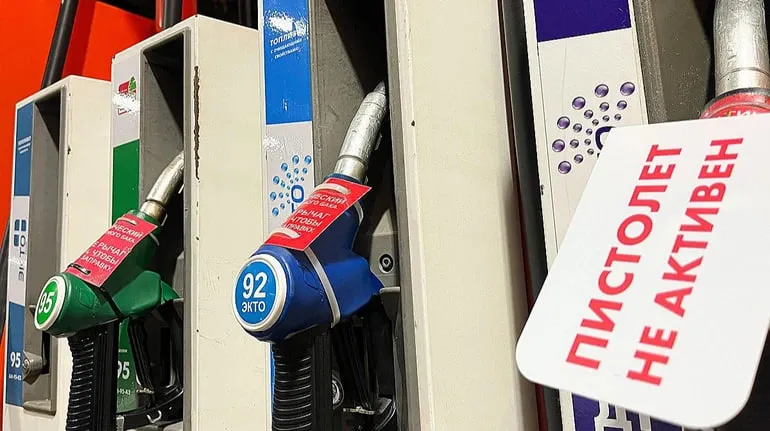
In the temporarily occupied city of Sevastopol, restricted fuel sales using QR codes are being reintroduced. This system will remain in effect until fuel reserves allow for unrestricted sales.
Local residents are effectively being forced once again to purchase fuel through a special system due to a shortage of resources.
Fuel will once again be sold using QR codes in Sevastopol, announced the city’s Russian mayor, Mikhail Razvozzhayev.
“Tomorrow we are reinstating the QR code system. It will remain in effect until fuel reserves allow for unrestricted sales. This will apply to non-premium grades: 92, 95, and diesel,” he said.
Razvozzhayev also added that the “ATAN” gas station is not complying with agreements to lower the price of AI-92—gasoline of this grade is either not being sold or is being sold at inflated prices.
Since early June, military and energy facilities, as well as Russian logistics routes in Crimea and Sevastopol, have been subjected to the most intense attacks by the Ukrainian Armed Forces since the start of the full-scale war.
Reports of new targets being hit emerge daily, so in the temporarily occupied Crimea, gasoline sales to civilians have been restricted due to a fuel shortage.
This is reported with reference to Russian propaganda media.
Russian authorities have allowed the sale of Euro-2 gasoline, which they had banned 10 years ago.
Before Putin’s visit to Krasnoyarsk, gasoline prices fell, and then fuel prices rose.
On the night of August 1, drones attacked several temporarily occupied cities in Ukraine. According to reports from monitoring Telegram channels, fires broke out in Zuhres, Berdiansk, Luhansk, Dolzhansk, and Sevastopol following the strikes.
As a reminder, the Russian online marketplace Ozon evacuated employees from its logistics center in Zelenodolsk (Tatarstan) due to the threat of an attack by Ukrainian drones. After the alert ended, the warehouse resumed normal operations.
On the morning of July 31, drones attacked a warehouse complex in Zelenodolsk (Tatarstan, Russian Federation), where the logistics facilities of the Ozon and Wildberries marketplaces are located. Following this, a number of Ukrainian sources reported that strikes on Ozon warehouses might continue.


