
The news that Ukraine and the United States have reached a political agreement on licensing the production of interceptor missiles for the Patriot systems has become one of the most significant developments for Ukraine’s defense-industrial complex since the start of the full-scale war.
President Volodymyr Zelenskyy announced that the parties had agreed on the political principles of future cooperation, and that the next step would be the transfer of technology and technical documentation, followed by the launch of production.
UA.News explains how the Patriot system was developed, the differences between the PAC-2, GEM-T, PAC-3, and PAC-3 MSE missiles, and who has the right to manufacture them.
From the Cold War to Modern Conflicts: Why the U.S. Began Developing the Patriot
The history of the Patriot did not begin because of the threat of ballistic missiles, as is often believed today. In the late 1960s, the U.S. military was looking for a replacement for the Nike Hercules and Hawk systems, which no longer met the new demands of the battlefield.
The main threat at the time was considered to be Soviet aviation: strategic bombers, fighter jets, and cruise missiles capable of penetrating the existing air defense system.
In 1969, the SAM-D (Surface-to-Air Missile, Development) program was launched in the United States. Its goal was to create a new-generation mobile anti-aircraft system, which later came to be known as the Patriot. Later, the acronym was interpreted as Phased Array Tracking Radar to Intercept On Target.
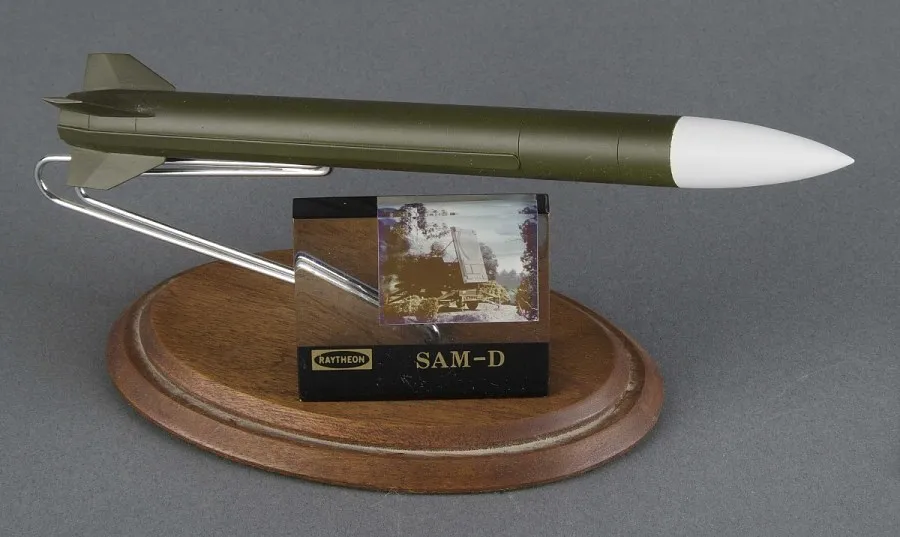
The main technological breakthrough was the multifunctional phased-array radar. While previous systems used several separate radars—for target search, tracking, and missile guidance—the Patriot was the first to integrate most of these functions into a single system. This significantly reduced response time and enabled the simultaneous tracking of multiple aerial targets.
After more than a decade of testing, mass production of the system began in the late 1970s, and in 1981, the Patriot was officially adopted by the U.S. Army.
Just a few years later, the first batteries began to be deployed in Western Europe, primarily in West Germany, where they were to become one of the key elements of NATO’s air defense in the event of a conflict with the Warsaw Pact countries.
Initially, the Patriot was not designed to counter ballistic missiles
Today, the Patriot is primarily associated with intercepting Russian “Iskanders” or “Kinzhals.” However, the earliest versions of the system were not designed for such purposes at all.
Its primary mission was to counter aircraft, helicopters, and cruise missiles. It was not until the 1980s that the U.S. military concluded that tactical ballistic missiles, which were beginning to appear in various countries around the world, posed an increasing threat.
It was then that the Patriot Advanced Capability (PAC) program was launched, which called for the gradual modernization of the system to counter these new threats.
The first upgrade was PAC-1, which was essentially an update to the software, radar algorithms, and guidance systems. It gave the Patriot limited ballistic missile interception capabilities for the first time without requiring a fundamental redesign of the interceptor missile itself.
However, the real test for the system came with the war that began in the early 1990s.
The Gulf War: The Conflict That Changed the Patriot Forever
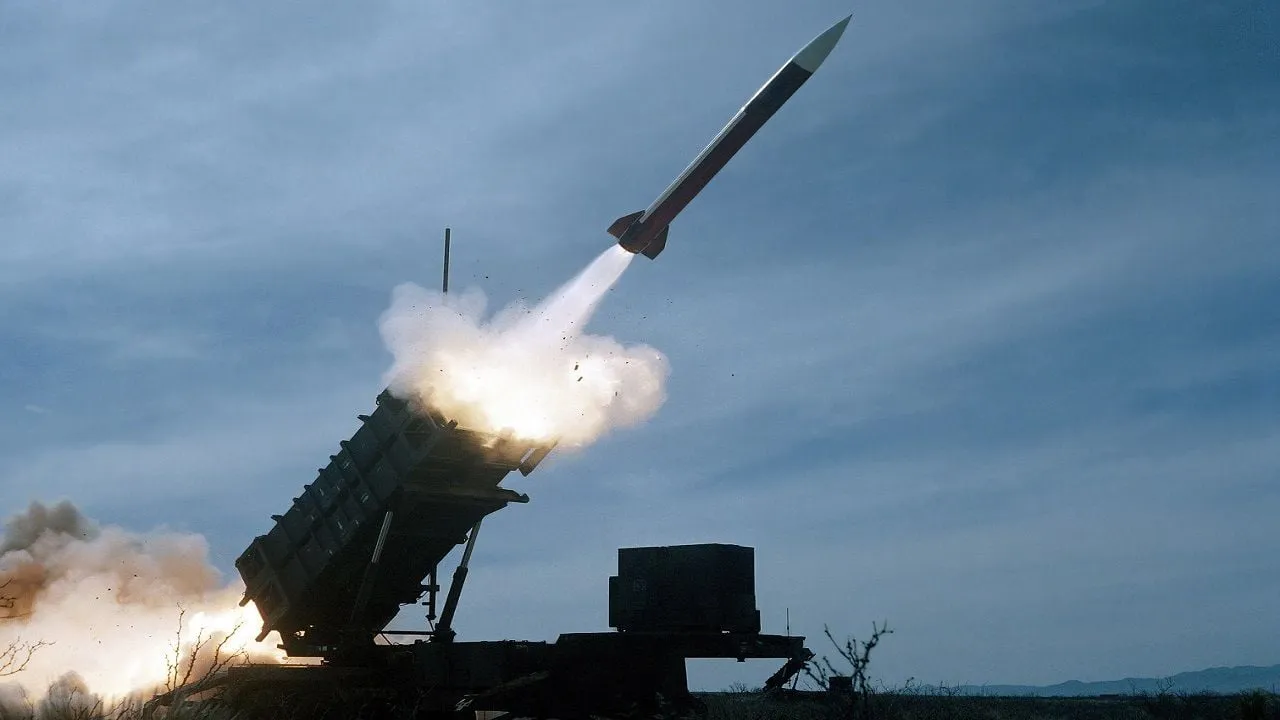
The Patriot gained worldwide fame during Operation Desert Storm in 1991. At that time, Iraq was launching Scud ballistic missiles en masse against Israel and Saudi Arabia, and American Patriot batteries became the primary means of intercepting them. It was then that the whole world first saw footage of Patriot launches.
Initially, U.S. authorities reported a very high success rate for interceptions. However, after the war ended, the U.S. Congress, the Government Accountability Office (GAO), and independent experts cast doubt on these estimates.
Studies showed that the system’s effectiveness was significantly lower than reported during combat operations, and the main problem was that the system had not yet been adapted to intercept modern ballistic missiles, which broke apart in flight and changed their trajectories.
It was this experience that proved to be a turning point for the entire Patriot program. After the war, the Pentagon effectively began a fundamental reevaluation of the program.
While the Patriot had previously been primarily an air defense system, from the early 1990s onward, the main focus of development shifted to creating a system capable of effectively destroying ballistic missiles. This modernization eventually led to the development of the PAC-2, GEM-T, and PAC-3 missiles, which are now considered among the most effective interceptors in the world.
From PAC-2 to PAC-3 MSE: How the Patriot Learned to Destroy Ballistic Missiles
Following the controversial experience of the Gulf War, American engineers began systematically modifying not only the Patriot’s software but also the very principle of target interception.
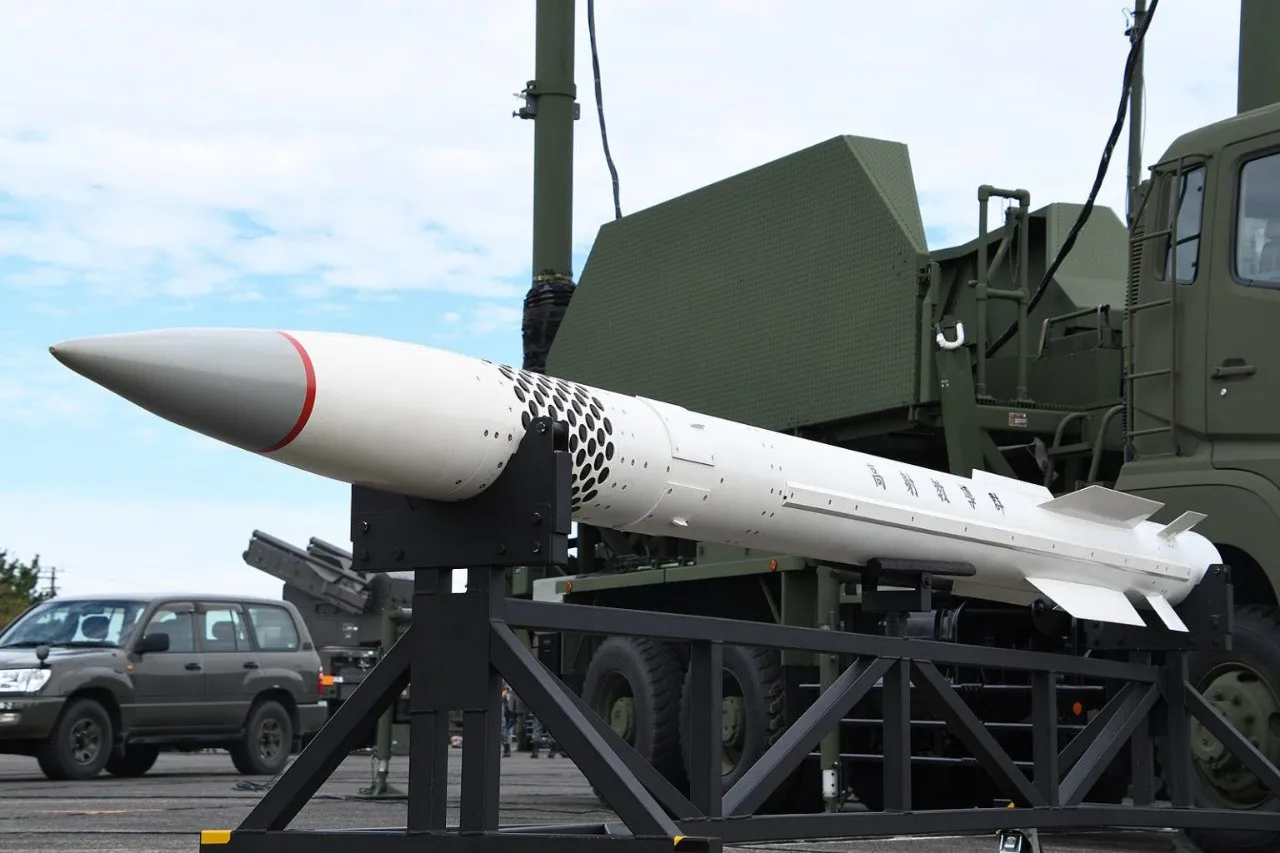
As a result, there are now effectively two distinct families of missiles under a single name: the PAC-2 and its upgraded variants with a high-explosive fragmentation warhead, as well as the more compact PAC-3, which physically collides with the target.
PAC-2: Explosion Near the Target
The PAC-2 missile destroys an aerial target in the traditional way: it flies up to it and detonates its high-explosive fragmentation warhead. The debris cloud is intended to damage the body, engine, guidance system, or warhead of the enemy missile. This is precisely what fundamentally distinguishes the PAC-2 from the newer PAC-3, which relies on direct kinetic impact.
This principle works well against aircraft and cruise missiles, but in the case of a ballistic target, damaging the body alone may not be enough. Even after the explosion, its warhead is capable of continuing its descent by inertia into the area the battery was supposed to defend.
It was precisely the need to ensure the destruction of the warhead that became one of the reasons for the transition to direct-hit technology.
GEM-T: A Modern Evolution of the PAC-2 Line
The GEM-T (Guidance Enhanced Missile-Tactical) missile was a further development of the PAC-2. It retained the fragmentation principle of engagement but received improved guidance and a fuze, which enhanced its capabilities against tactical ballistic missiles, cruise missiles, and aircraft.
It is the GEM-T, not the PAC-3, that is slated for mass production at a new European facility in Germany. In 2024, Germany, the Netherlands, Spain, and other participants in the joint procurement signed a contract worth approximately 5.1 billion euros, which calls for the delivery of up to 1,000 such missiles.
The plant in Bavaria is set to become the first major production site for Patriot missiles in Europe and double global production capacity for this variant.
At the same time, the GEM-T should not be considered an obsolete missile.
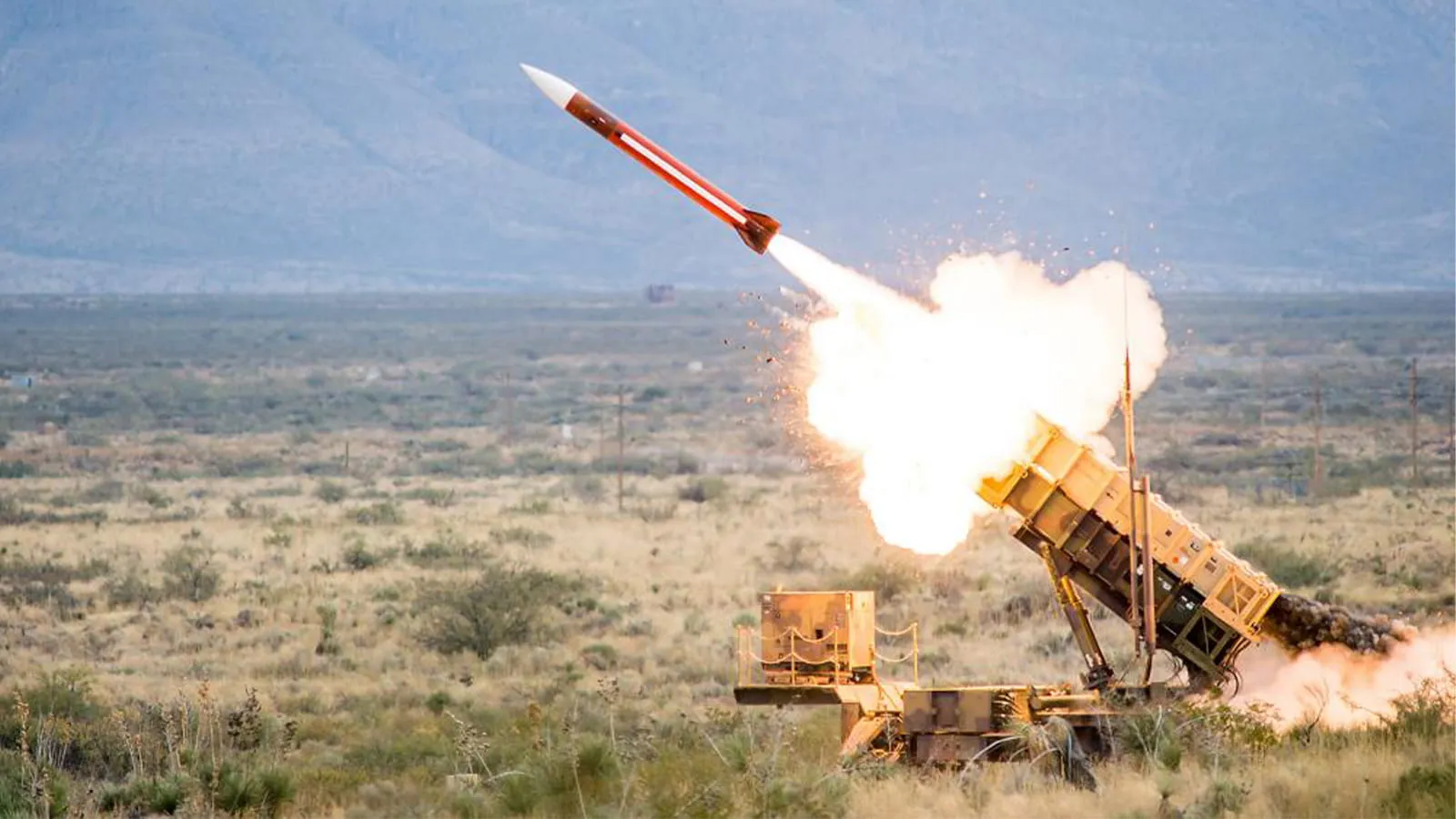
It complements the PAC-3: the more expensive kinetic interceptors are reserved for the most challenging ballistic targets, while the GEM-T can be used against aircraft, cruise missiles, and other aerodynamic threats.
PAC-3: A Missile Designed to Collide with the Target
The biggest technological change in the history of the Patriot system occurred with the introduction of the PAC-3. Unlike the PAC-2, this missile uses the “hit-to-kill” principle, meaning it destroys the target through a direct impact.
The interceptor does not rely solely on a proximity explosion. It crashes directly into the enemy missile at high speed, and the immense kinetic energy of the collision is designed to destroy its body and warhead.
The PAC-3 is also significantly smaller than older interceptors. As a result, a single standard launcher can carry more missiles, which is particularly important during a massive attack.
Its compact size, however, does not mean a simpler design: the missile has its own active radar homing seeker, a guidance system, and a set of small thrusters that adjust its position immediately before impact.
It is the PAC-3 that has become the Patriot system’s primary specialized interceptor for countering tactical ballistic missiles. At the same time, in actual combat, a battery may carry different types of munitions and deploy them depending on the nature of the threat.
PAC-3 MSE: Greater Range and Energy Reserve
The most advanced production missile in this family is the PAC-3 MSE—Missile Segment Enhancement. It features a more powerful dual-mode engine, a redesigned body, and an improved guidance system. This has increased its capabilities in terms of range, altitude, and maneuverability compared to the base PAC-3.
The manufacturer explicitly states that the PAC-3 MSE is designed to engage tactical ballistic and cruise missiles, aircraft, and other complex threats using direct-hit technology.
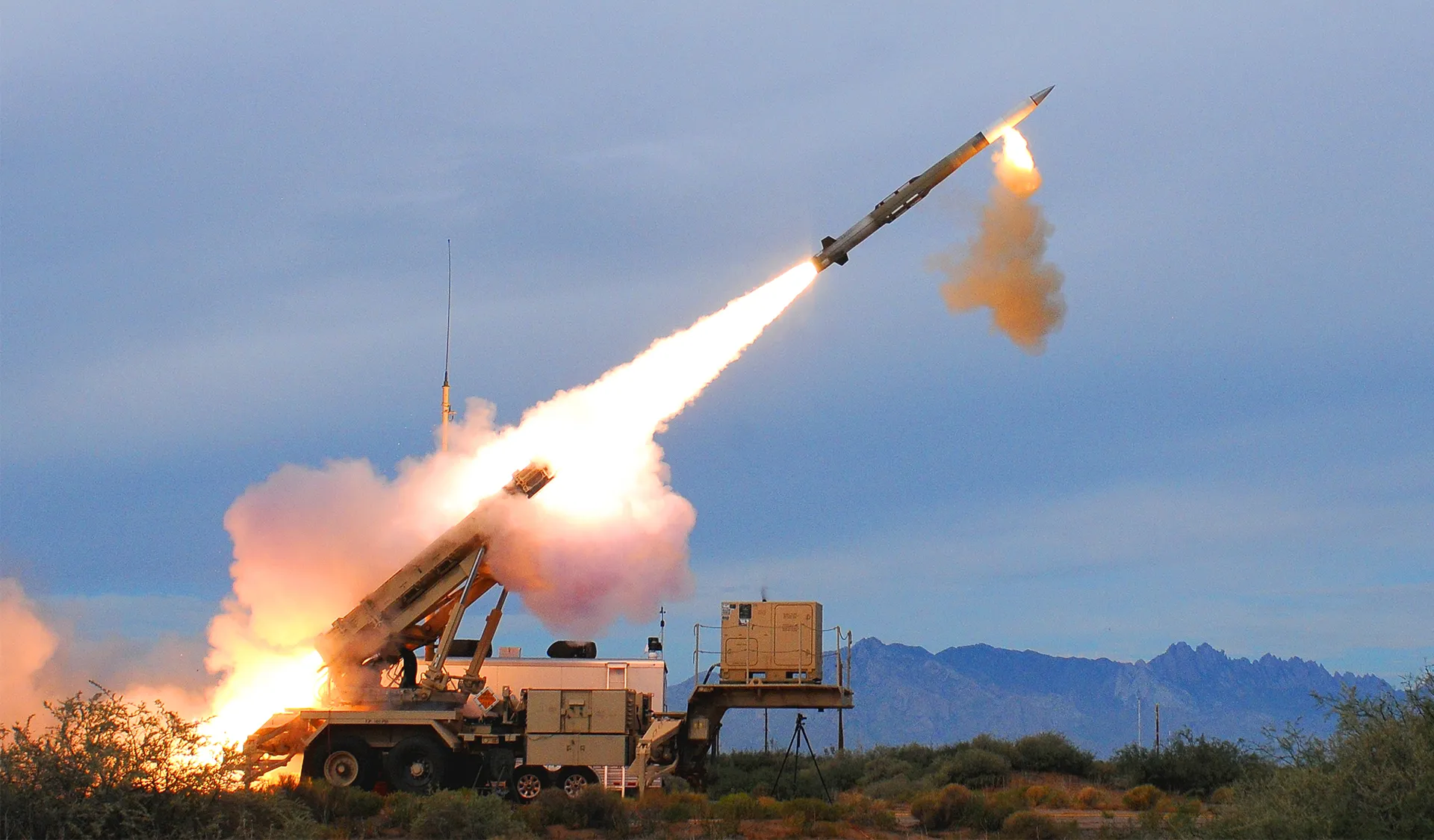
The PAC-3 MSE is currently the most expensive and hardest-to-obtain interceptor in the Patriot system. According to U.S. Army budget documents, the estimated cost of a single missile is approximately four million dollars.
However, the price of a single interceptor depends on the specific contract. International agreements often include spare parts, containers, testing equipment, training, logistics, and technical support, so simply dividing the total contract cost by the number of missiles may result in an overestimated figure.
Why the Patriot System Uses Different Missiles Simultaneously
The Patriot is valued not only for its ability to intercept ballistic missiles but also for its capability to combine different types of interceptors within a single system. The PAC-2 and GEM-T are needed to counter a wide range of aerodynamic targets, while the PAC-3 and PAC-3 MSE are primarily designed to address the most dangerous ballistic threats.
This allows the command post to avoid wasting the most expensive missile on every aerial target. However, the choice of interceptor depends not only on price: the system takes into account the target’s speed, trajectory, altitude, type, and probable point of impact.
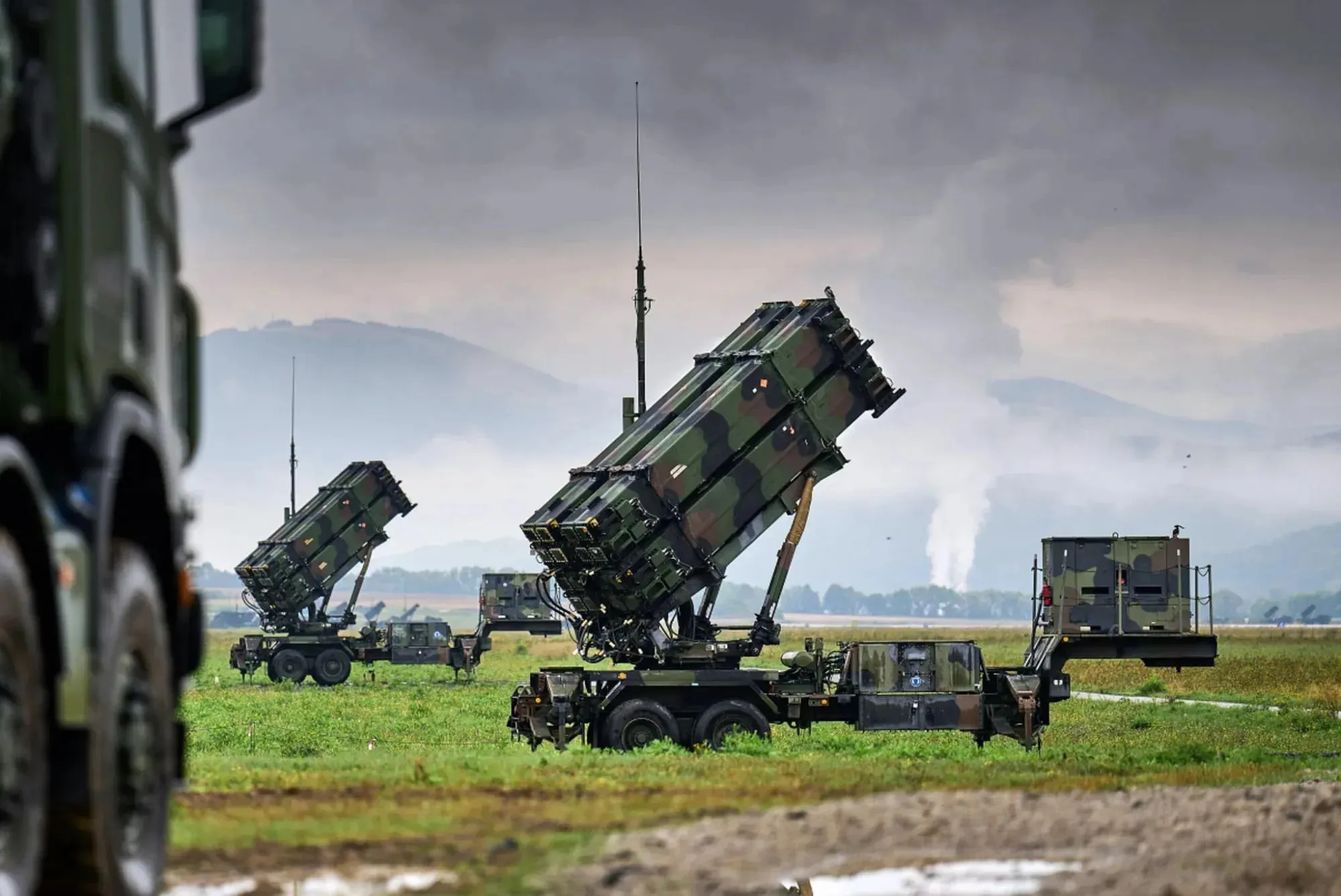
That is why it is more accurate to view the Patriot not as a single missile, but as a platform that has been upgraded over decades. Radars, software, launchers, and interceptors of different generations can be modernized separately.
Thanks to this, the system—whose development began during the Cold War—remains one of the primary means of countering modern ballistic missiles.
Who Has the Right to Manufacture the Patriot and Why the License for Ukraine Was an Exception
The Patriot is considered one of the most secretive programs of the U.S. military-industrial complex. Although nearly two dozen countries operate the system, production of its most critical components has remained concentrated in the United States for decades.
Two companies are responsible for manufacturing the systems: RTX (formerly Raytheon) produces the radars, launchers, and control systems, while Lockheed Martin manufactures the state-of-the-art PAC-3 and PAC-3 MSE interceptor missiles.
This is precisely why the announcement of a political agreement between Kyiv and Washington regarding a license to manufacture Patriot missiles has generated such a strong response. Ukrainian President Volodymyr Zelenskyy stated that the parties have agreed on the political framework of the future project, and the next step will be technology transfer and the launch of production.
This will be one of the most complex defense projects in the entire history of cooperation between Ukraine and the United States.
Why Washington Almost Never Transfers Patriot Technology
Unlike many other weapons systems, the Patriot consists of more than just a missile or a launcher. It is a complex network of interconnected elements: a multifunctional radar, a battle management center, software, communication systems, and various types of interceptor missiles.
The production of just one modern PAC-3 MSE missile requires hundreds of high-precision parts and components manufactured by dozens of companies. This is precisely why the U.S. has traditionally been very cautious about transferring manufacturing technologies even to its closest allies.
However, even if Washington agrees to grant a license, this does not mean the transfer of all technologies. Most likely, it will involve the phased localization of individual components or the assembly of interceptors using American components. This model is already being used in other countries.
Japan is the only country that has been manufacturing Patriot missiles for many years
Japan was the first country to obtain the right to manufacture Patriot missiles under license. As early as the early 2000s, Mitsubishi Heavy Industries began producing certain variants of the PAC-3 for the Japan Self-Defense Forces.
At the same time, critical technologies and a significant portion of the components continue to be supplied from the United States, and the production itself is carried out under strict American oversight.
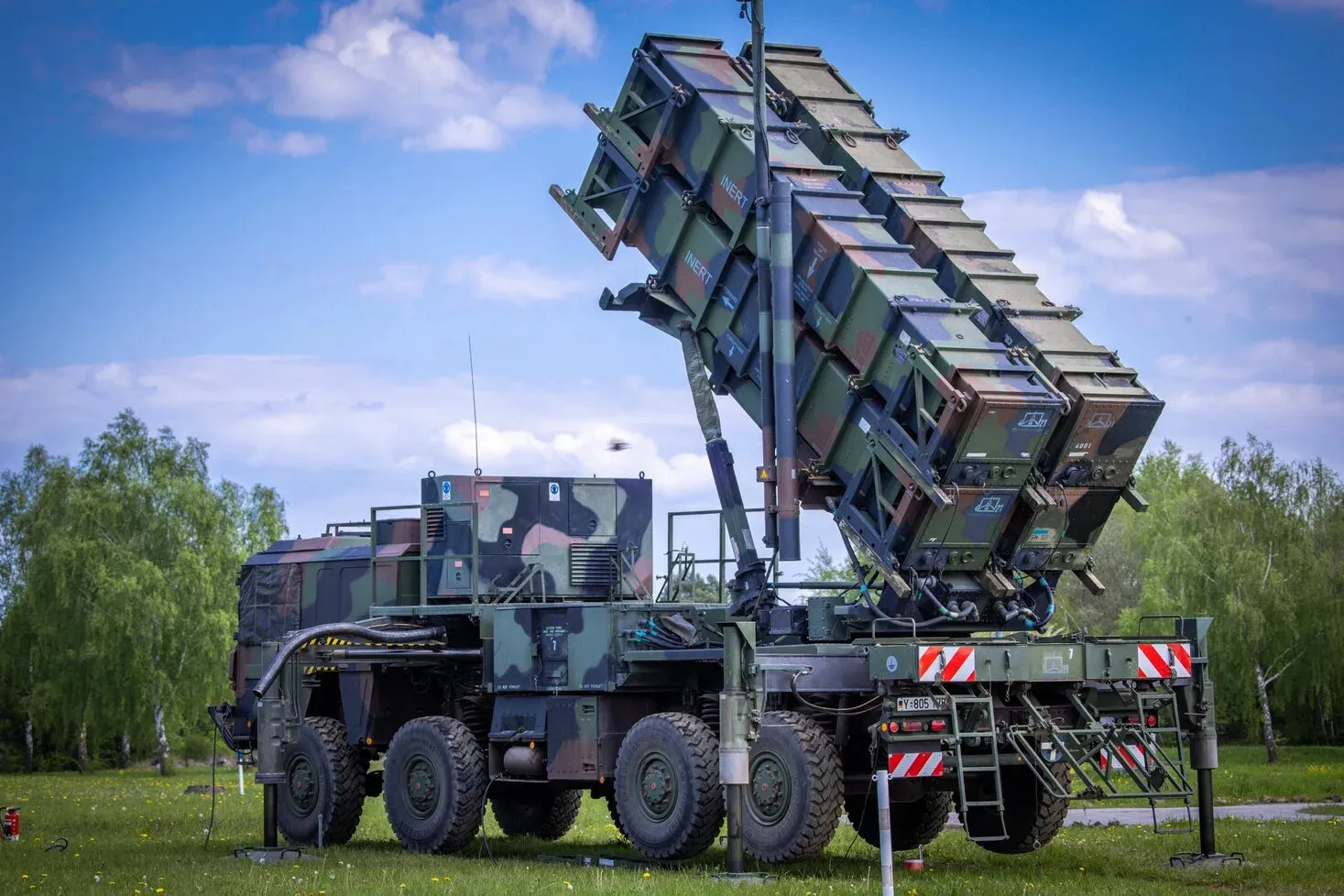
After Russia launched a full-scale war against Ukraine, Japan’s role grew even further. Due to a sharp increase in demand for Patriot missiles, the United States began using Japanese production facilities to replenish its own stockpiles.
To this end, Tokyo even relaxed its rules on the export of defense products, allowing manufactured missiles to be shipped back to the U.S. However, Japan does not supply them directly to Ukraine—this is restricted by Japanese law.
Germany Will Become the Second Patriot Production Hub
Germany is set to become the second major Patriot production site. In 2024, NATO countries—Germany, the Netherlands, Spain, and Romania—signed a contract for approximately 1,000 PAC-2 GEM-T missiles, most of which will be manufactured at MBDA’s new plant in Schrobenhausen, Bavaria. This will be the first large-scale production of Patriot missiles in Europe.
Reuters also reported that Germany is currently considered the most likely location for the initial production of missiles intended for Ukraine.
According to the agency, the first batches may be manufactured there, as locating such production directly in Ukraine is still associated with high risks due to constant Russian strikes. Only after the war ends can production capacity be gradually transferred to Ukraine.
Why Ukraine Will Have to Wait
Despite the political agreement, experts do not expect production to start soon. They explain that it will be necessary to establish production infrastructure, train personnel, integrate Ukrainian companies into U.S. supply chains, and complete the certification process. Even by the most optimistic estimates, preparing the first production line alone could take anywhere from one to two years.
However, even if the first Ukrainian Patriot missiles do not appear for several years, the strategic significance of this decision cannot be overstated. In fact, Ukraine could become the third country after the U.S. and Japan (and alongside a new German project) to participate in the production of one of the most sophisticated anti-aircraft missile systems of our time.
That is precisely why experts call this agreement historic not only for Ukraine but also for the entire European security system.
Under Patriot Protection: Which Countries Have Already Entrusted Their Airspace to the American System
As of today, various versions of the system are in service in more than 19 countries worldwide, and several more nations are awaiting delivery or are in negotiations to purchase it. Reuters notes that since the start of Russia’s full-scale war against Ukraine, demand for the Patriot has surged, and manufacturers are struggling to keep up with all the orders.
Europe: NATO’s Main Shield
Germany, the Netherlands, Spain, Greece, and Poland have the largest number of Patriot batteries in Europe. Following the start of Russia’s aggression against Ukraine, Romania and Sweden joined them, while Switzerland is awaiting the completion of deliveries.
For NATO, the Patriot has long been more than just an anti-aircraft missile system; it has become a key element of the collective defense system. American, German, and Dutch batteries are regularly redeployed among Alliance countries, shielding NATO’s eastern flank from potential missile threats. That is why, since 2022, the number of batteries in Poland, Romania, and the Baltic states has increased significantly.
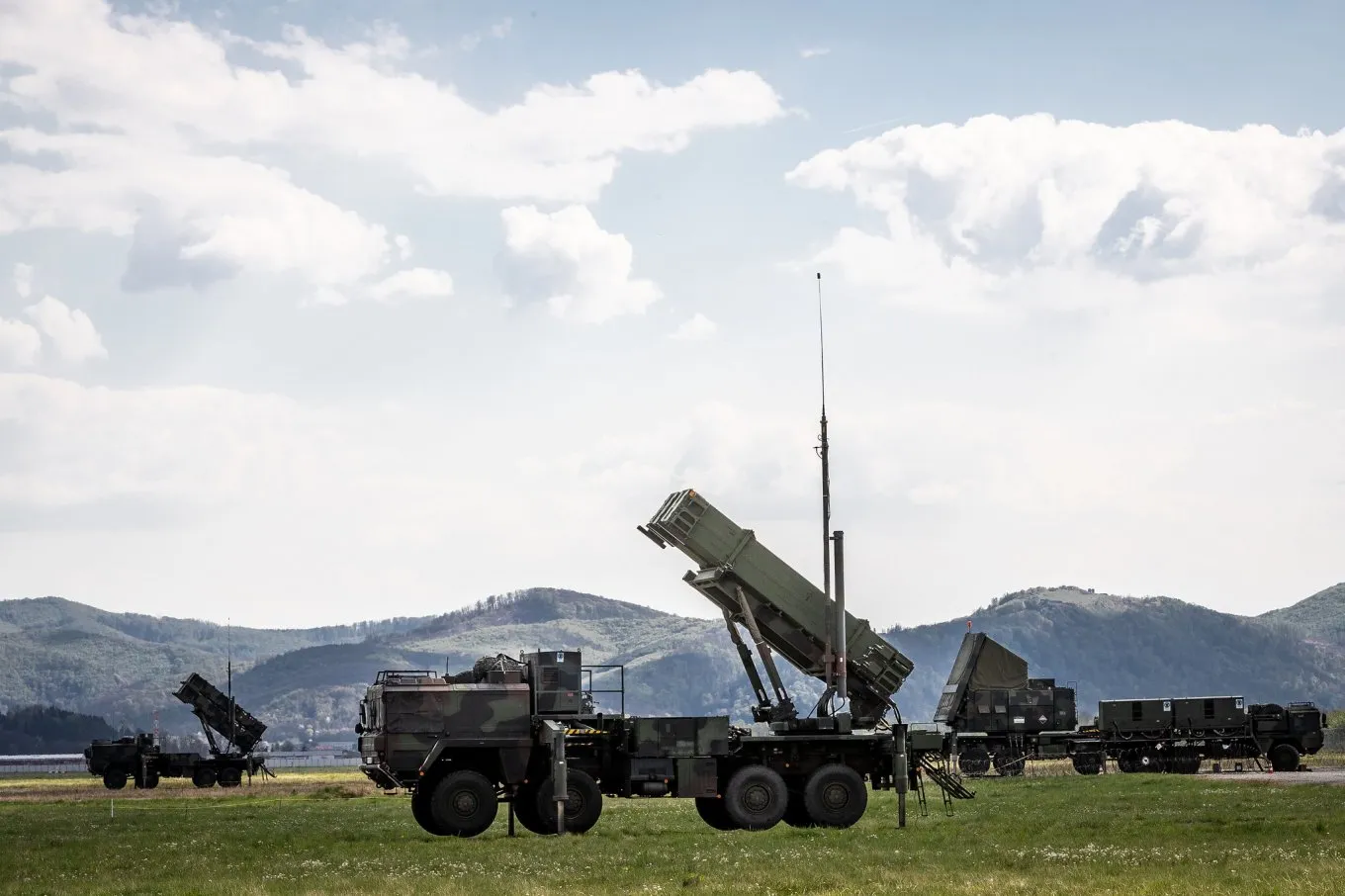
One of the most ambitious air defense modernization programs has been Poland’s Wisła program. Warsaw has purchased modern Patriot batteries equipped with the new IBCS command-and-control system, which allows various radars and air defense systems to be integrated into a single network. According to the Polish government’s estimates, this is the country’s largest investment in missile defense in its modern history.
The Middle East: A Region Where the Patriot Is Almost Constantly in Action
The Middle East remains the second-largest region for Patriot deployment after Europe.
These systems are in service with Saudi Arabia, Kuwait, Qatar, the United Arab Emirates, and Bahrain. These are the very countries that have been under threat of ballistic missile strikes from Iran and its allies for many years.
Since the start of the war in Yemen, Patriot batteries have been defending Saudi Arabian territory almost continuously against ballistic missile launches and drone attacks by the Houthis. During this time, the system has carried out hundreds of combat launches, and American engineers have gathered a vast amount of data for its further modernization.
It was precisely this experience in the Middle East that helped prepare the Patriot system for the modern combined attacks that Russia is currently using against Ukraine.
Asia: Defense Against North Korea and China
Another strategic region for the Patriot is East Asia.
The systems have been on combat duty in Japan, South Korea, and Taiwan for many years. They are integrated into the U.S. multilayer missile defense system alongside THAAD systems and Aegis-class ships.
For Japan, the Patriot has become the primary means of defense against potential launches of North Korean ballistic missiles. That is why Tokyo not only operates the system but also participates in the licensed production of certain variants of the PAC-3 missiles.
South Korea, for its part, uses the Patriot to protect U.S. military bases and the country’s largest cities, while Taiwan views the system as one of the key elements in deterring a potential military operation by China.
Ukraine Has Become a New Hub for Patriot Development
Although Ukraine did not receive the Patriot system until 2023, it is here that the system is undergoing its most intense combat deployment in its entire history.
U.S. military officials have repeatedly acknowledged that the experience of Ukrainian operators is currently being closely analyzed by the system’s developers. The reason is simple: previously, the Patriot system had almost never had to simultaneously engage ballistic missiles, cruise missiles, attack drones, and decoys on such a large scale.
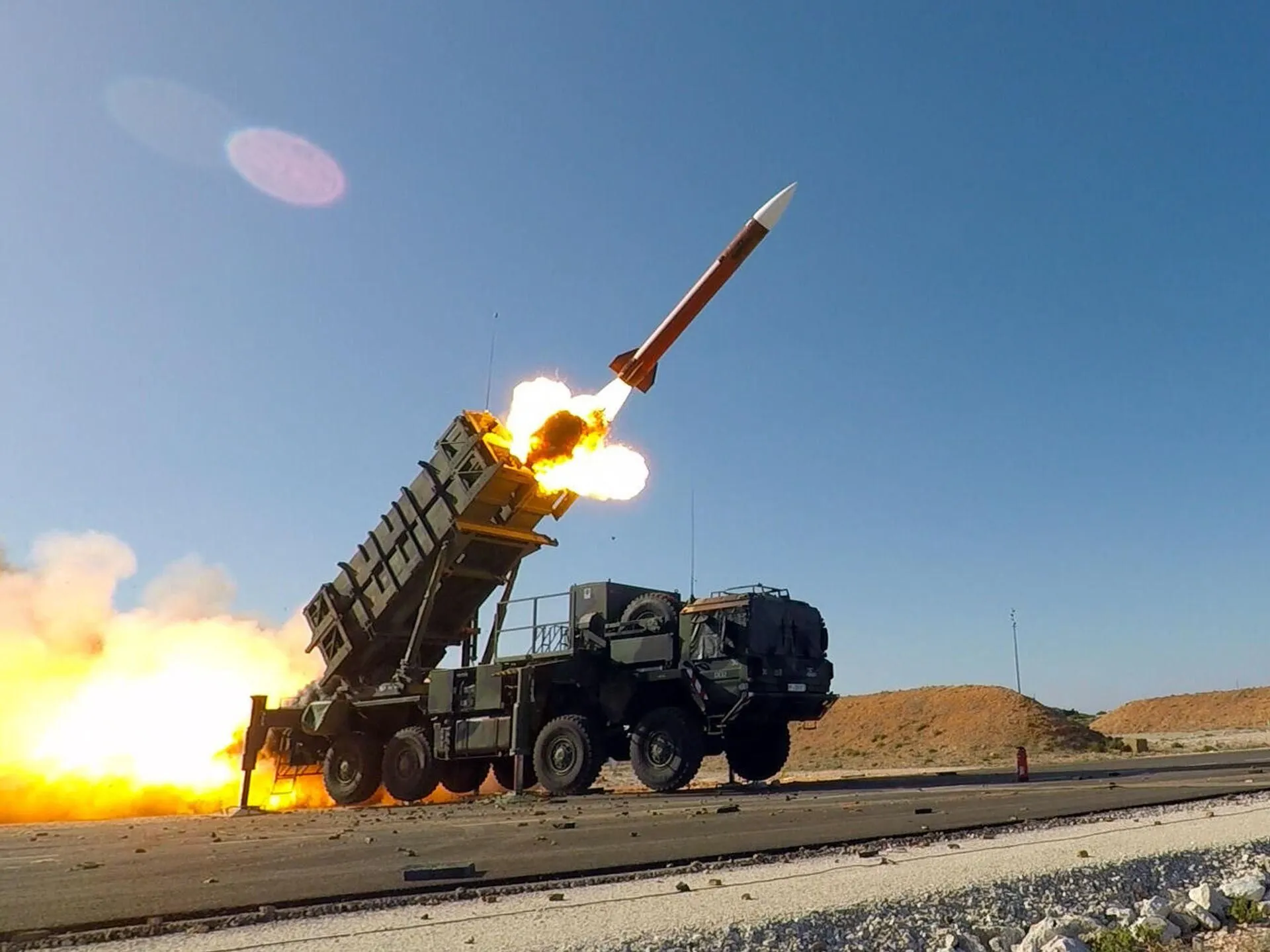
That is precisely why many military experts are already calling Ukraine the country that has had the greatest influence on the Patriot’s development since the Gulf War.
Is the Patriot Really the Best Air Defense System in the World?
After the first successful interceptions of Russian “Kinzhal” missiles, the Patriot was often hailed as the best air defense system in the world. However, the U.S. military itself avoids such categorical assessments.
The fact is that the Patriot was designed as a versatile system. It can simultaneously engage aircraft, cruise missiles, ballistic missiles, and drones. However, this versatility has a downside—no system can guarantee a 100% success rate under all conditions.
The Patriot’s effectiveness depends on many factors: the type of missile, the target’s speed, the angle of attack, the number of simultaneous launches, the number of interceptors available, and coordination with other air defense systems. That is precisely why military experts almost never cite a single “effectiveness percentage” for the system.
Ukraine serves as a telling example. Even the most advanced Patriot batteries cannot cover the entire territory of the country. They are used primarily to protect the most important cities, military facilities, and critical infrastructure.
The remaining tasks are carried out by NASAMS, IRIS-T, SAMP/T, fighter aircraft, and mobile fire groups.
It is precisely this multi-layered defense system that is currently considered the most effective way to protect airspace, and the Patriot is merely its most powerful component.


