
Ukraine and Moldova have not reached an agreement on the volume of water to be released from the Novodnistrovsk Reservoir
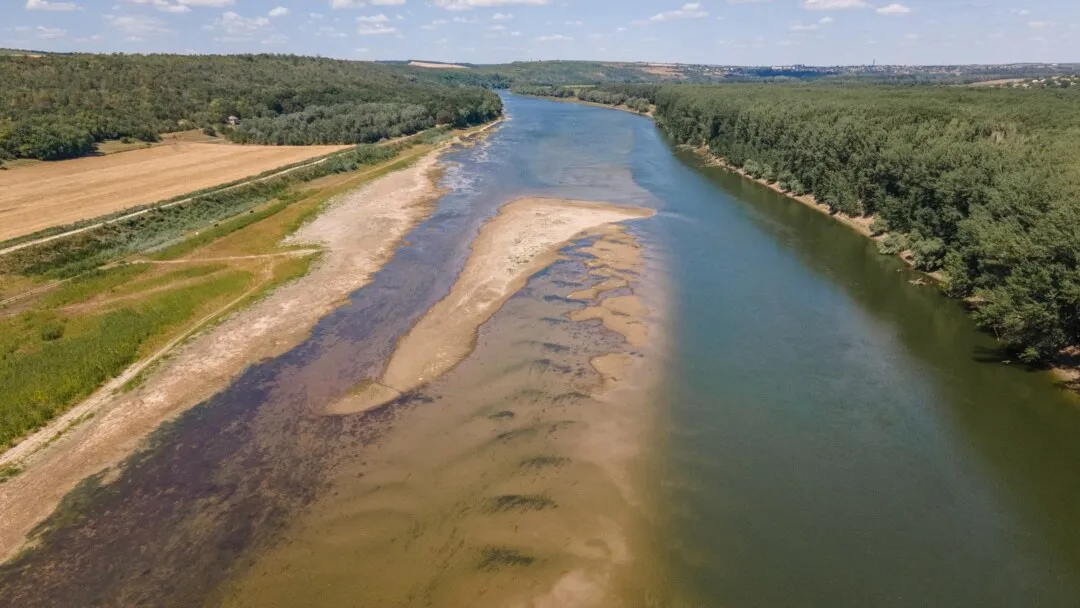
During the meeting of the Dniester Commission on September 14, the Moldovan and Ukrainian delegations were unable to reach an agreement on the volume of water to be released from the Novodnistrovsk Reservoir.
Due to the prolonged drought and a rapid drop in water levels, the Ukrainian side proposed reducing the discharge from the Novodnistrovsk Reservoir to the level of actual inflow, which stood at about 22 cubic meters per second in early September. The Moldovan side rejected this proposal because the reduction was too drastic compared to the current outflow rate of 60 cubic meters per second, so it was decided to resume discussions in the coming days.
Experts emphasize that due to the significant difference between water inflow and outflow, water reserves in the reservoir continue to decrease rapidly. Throughout the summer, discharge volumes have already been reduced on multiple occasions, and in August, due to the critical water level in the Dniester River in Moldova, measures to conserve electricity and water resources were implemented.
This was reported by the Moldovan publication ZDG.
The Dniester River has recorded its lowest water flow rate in the entire history of observations. A critical situation has developed near the town of Zalishchyky in the Ternopil region.


