
The domestic media landscape is once again in an uproar: the scandal surrounding the dismissal of Defense Minister Mykhailo Fedorov is gaining new momentum. Today, rallies are once again taking place in Kyiv and other Ukrainian cities, demanding that the minister be reinstated and that Commander-in-Chief of the Armed Forces of Ukraine Oleksandr Syrskyi be dismissed instead. The situation is evolving, and experts are forced to acknowledge that the position of Defense Minister has once again become a source of significant public outcry.
One thing is certain: the position of Ukraine’s defense minister has historically been somewhat problematic and “toxic.” As it happens, the defense ministry has been in constant turmoil throughout the country’s independence. Ministers have come and gone frequently: sometimes they fled abroad, sometimes they became defendants in corruption cases, and sometimes—both at the same time.
UA.News has decided to look back at the seven most high-profile scandals surrounding the Ministry of Defense, which have turned this vital agency into a “ministry of scandals.” Read more in our article.
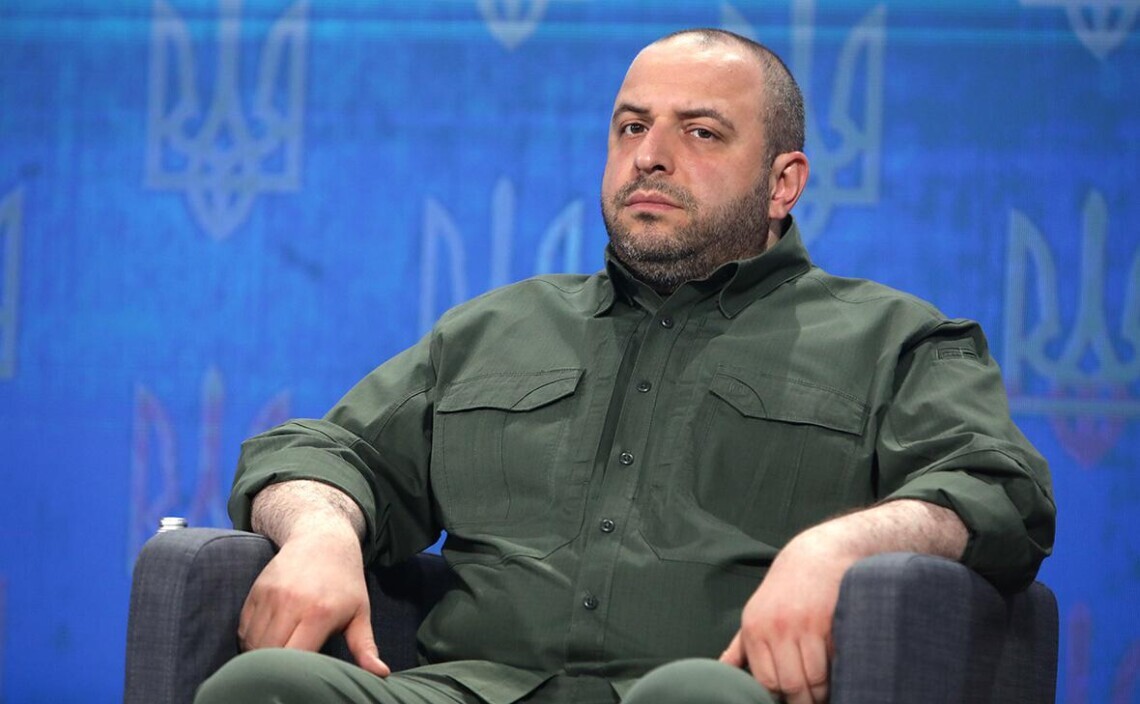
“Mindichgate” and Umerov’s Defective Body Armor: The Price of Security
In the midst of a full-scale war, when the need for ammunition is critical, the Ministry of Defense, then led by Rustem Umerov, found itself at the epicenter of “Mindichgate.” One of the main issues centered on the procurement of personal protective equipment for the military—body armor.
Investigative journalists and volunteers discovered that a significant portion of the body armor planned for purchase (totaling approximately 200 million UAH) did not meet the stated technical specifications. Independent ballistic tests revealed that the plates could be penetrated by bullets of the very caliber they were supposed to protect against. In other words, the body armor intended for service members turned out to be substandard and posed a direct threat to their lives on the battlefield.
The Ministry of Defense was subsequently forced to acknowledge the defect. It turned out that suppliers had provided fake quality certificates, and internal controls allegedly failed to detect the forgery in time—even though the footage clearly showed that the body armor was substandard. Contracts worth hundreds of millions of hryvnias were terminated, the batch of substandard products was replaced, and the procurement department underwent a shake-up with personnel purges. It was only by a miracle that thousands of Ukrainian soldiers were saved from a completely senseless death in battle—not so much because of the enemy as because of corruption.
“Reznikov’s 17-Hryvnia Eggs”: A Culinary Symbol of Military Corruption
Oleksiy Reznikov, during his tenure as Minister of Defense, was remembered for one of the most high-profile scandals of wartime. In the winter of 2023, journalists revealed details of a Ministry of Defense contract to provide food for military personnel. The documents showed outrageously high prices for basic food items agreed upon with a contractor.
The legendary chicken eggs garnered the most attention. According to the documents, the cost of a single egg for the army was about 17 hryvnias—while in retail chains they cost at least three times less. In addition to eggs, the contracts listed potatoes at 22 hryvnias each, berries at unrealistically high prices, and other food items. The total value of the deal reached 13 billion (!) hryvnias.
The public outcry was immense. Although Reznikov later claimed that a “technical error” had occurred when drafting the contract addenda, this explanation satisfied very few people. The case became one of the main catalysts for his resignation in September 2023. The phrase “eggs at 17” became a popular meme and still symbolizes systemic corruption issues in military procurement.

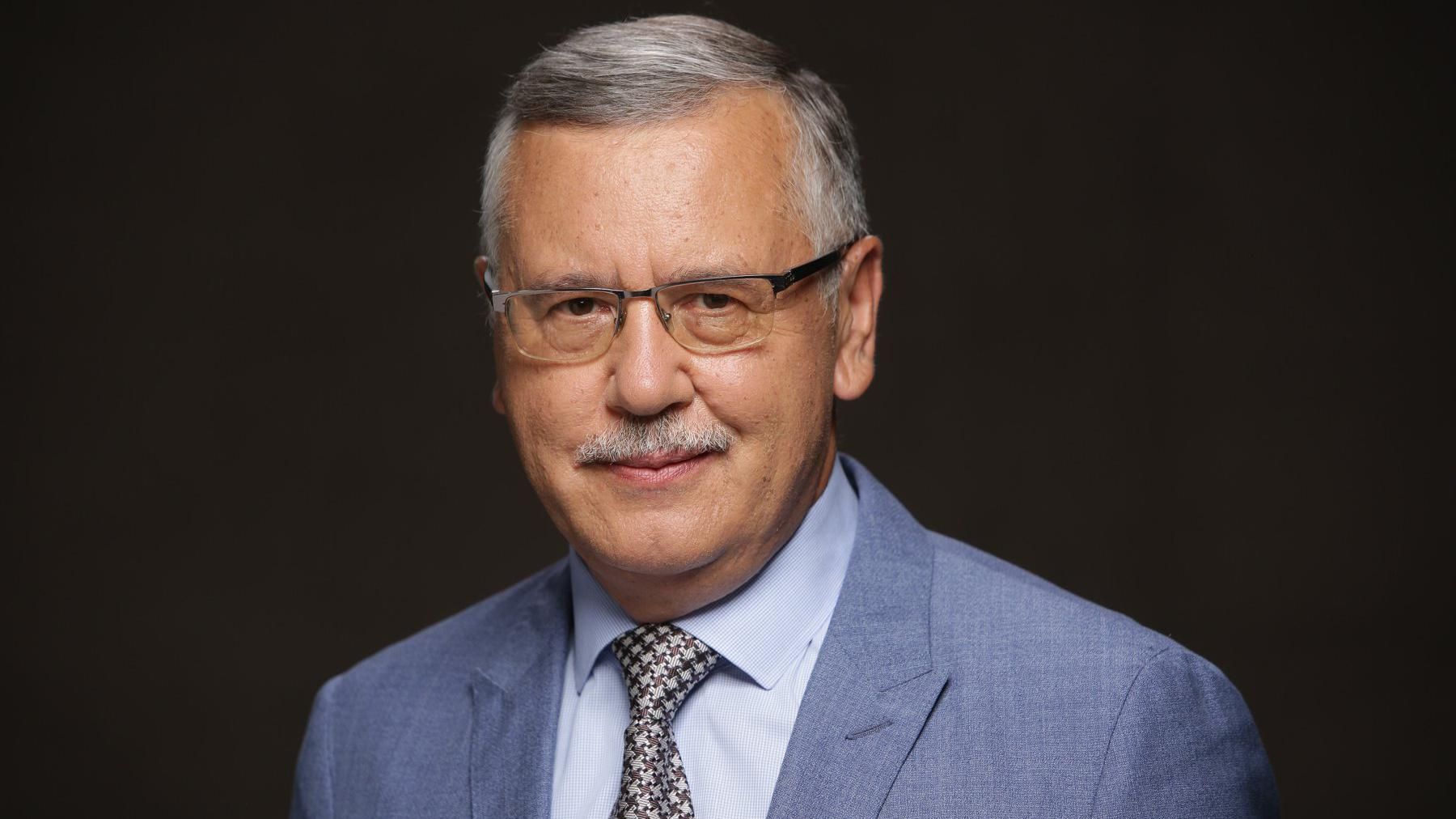
Hrytsenko and the Disarmament of the Armed Forces of Ukraine: How Strategic Aviation Was Destroyed
Anatoliy Hrytsenko headed the Ministry of Defense from 2005 to 2007, positioning himself as a technocratic reformer. However, this period was marked by one of the most acute strategic scandals—a massive reduction of the army and the destruction of weapons inherited by Ukraine from the USSR. For example, during Hrytsenko’s tenure, the Ministry of Defense sold 200 tanks, 145 infantry fighting vehicles, and dozens of air defense systems—all of which are critically lacking right now.
The scrapping of Tu-160 strategic bombers and Kh-22 cruise missiles also caused a major uproar. This was partly carried out as part of international obligations under the Nunn-Lugar program, and the process itself began even before Hrytsenko and then-President Yushchenko took office. However, it was under the leadership of the aforementioned individuals that it reached its greatest scale.
The very method used to fulfill these obligations drew criticism. The equipment was cut up for scrap metal, which was sold abroad at prices significantly below its actual value. At the same time, hundreds of tanks, combat vehicles, and other assets were written off.
Hrytsenko was later accused of deliberately disarming the country. Although the minister subsequently insisted on multiple occasions that reducing the surplus Soviet arsenal was economically justified, the events of 2014 and especially 2022 have led many to look back on this disposal with disfavor—after all, the country lost a significant portion of the equipment that could have come in handy during the war.
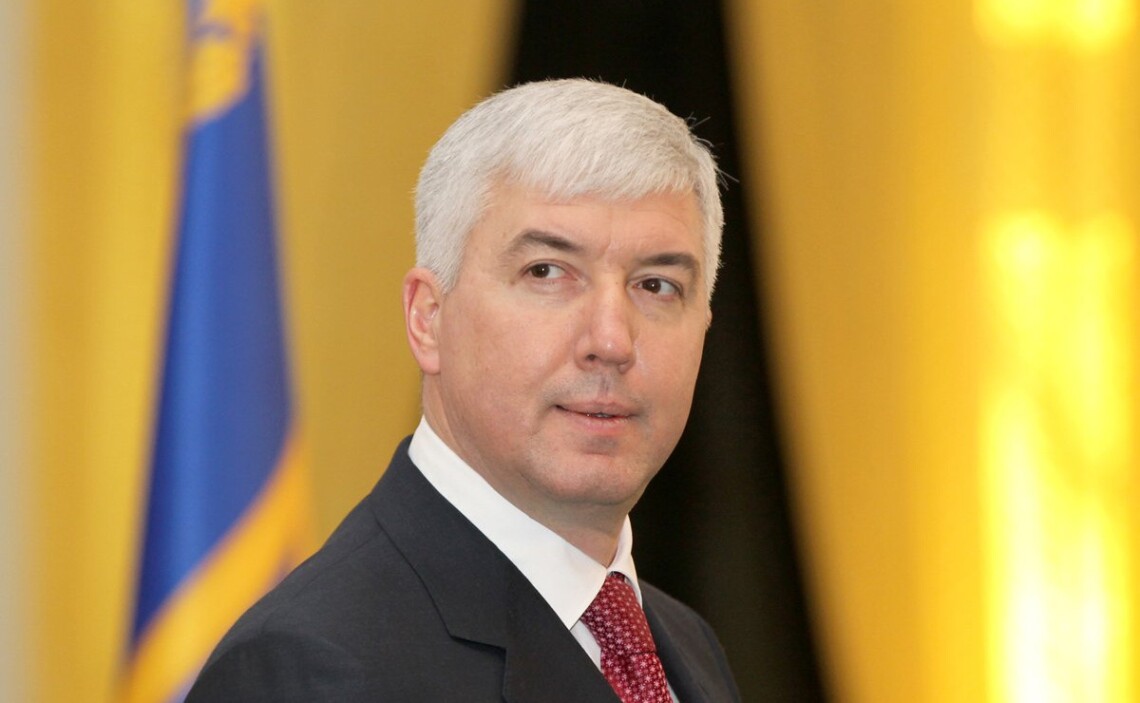
Salamatin’s Flight and Schemes Under the Auspices of “Ukrspetsexport”
Dmytro Salamatin served as Minister of Defense from February to December 2012, during Viktor Yanukovych’s presidency. His brief tenure, however, was marked by a rather high-profile scandal that came to light only after the Revolution of Dignity—large-scale shady deals involving the company “Ukrspetsexport.” He was accused of embezzlement and money laundering. The state’s losses were estimated at tens of millions of dollars. In addition, Salamatin was suspected of illegally lobbying on behalf of private entities during the disposal of ammunition.
However, it seems Salamatin wasn’t very keen on sharing. That is why, after less than a year in office, he came into conflict with President Yanukovych and his inner circle (“The Family”) and was subsequently removed from his leadership position at the Ministry of Defense.
After Yanukovych fled in 2014, Salamatin also hurriedly left Ukraine. The Prosecutor General’s Office issued a warrant for his arrest on suspicion of embezzling state funds on an exceptionally large scale. His case became one of the symbols of systemic corruption in the defense sector during the Yanukovych era.
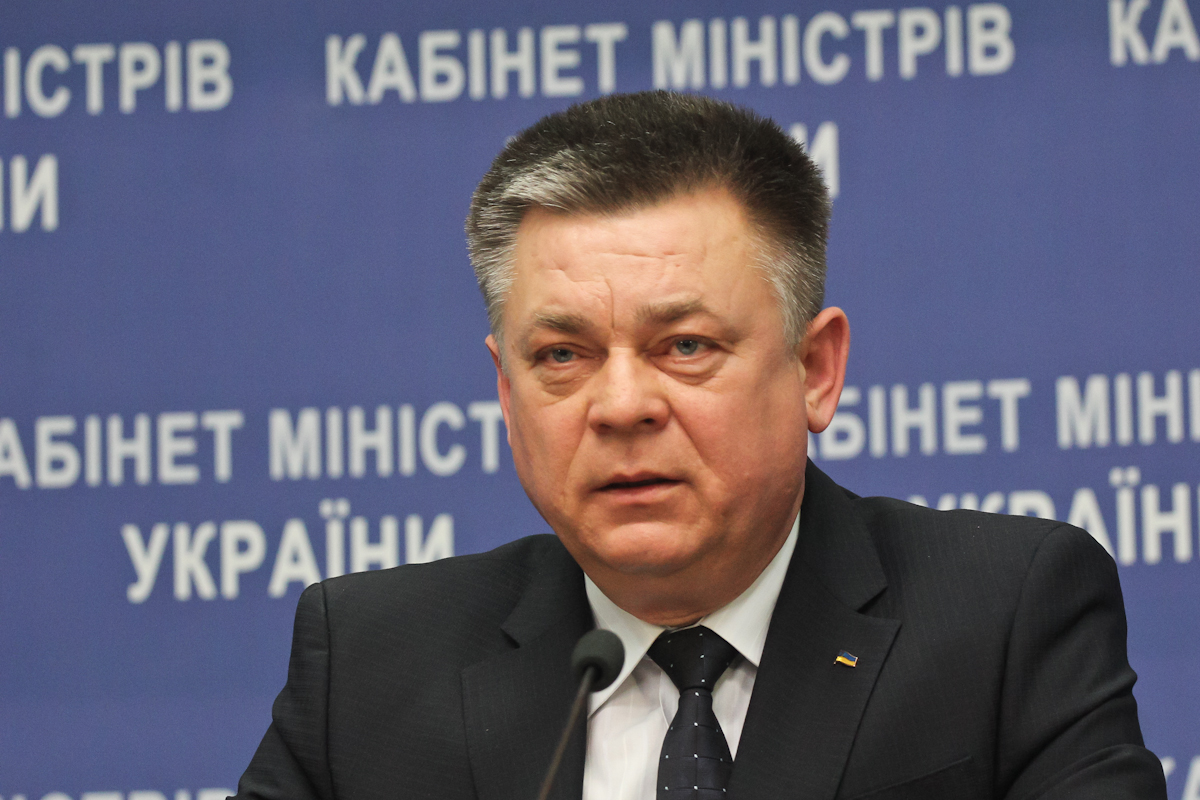
Pavel Lebedev’s “Crimean Palace” and the Ministry of Defense’s Lost Secrets
Pavlo Lebedev, who replaced the aforementioned Salamatin in December 2012, became the last defense minister of the Yanukovych era. His appointment sparked opposition from some segments of society: Lebedev had Russian roots, business ties to the president’s inner circle, and, according to media reports, a Russian passport—which he denied having, however.
The main scandal erupted during the Revolution of Dignity. Lebedev was actively preparing army units for a possible violent crackdown on protesters: orders were issued to deploy paratroopers to Kyiv, which sparked outrage among some officers and led to a wave of resignation requests.
After Yanukovych fled in February 2014, Lebedev went into hiding in Crimea, where he built himself a veritable palace right on the shoreline of Cape Fiolent. This outraged local residents, who protested against Lebedev, demanding that the beach be returned to them. The former official subsequently left for Russia.
Later, the Prosecutor General’s Office determined that, with the minister’s direct involvement, a significant portion of the Ministry of Defense’s classified documents was destroyed or transported to an unknown location in February 2014. This paralyzed the command and control of the troops at the outset of Russia’s annexation of Crimea. Lebedev’s actions were classified as treason.
Fires at Poltorak’s Arsenals and Warehouses
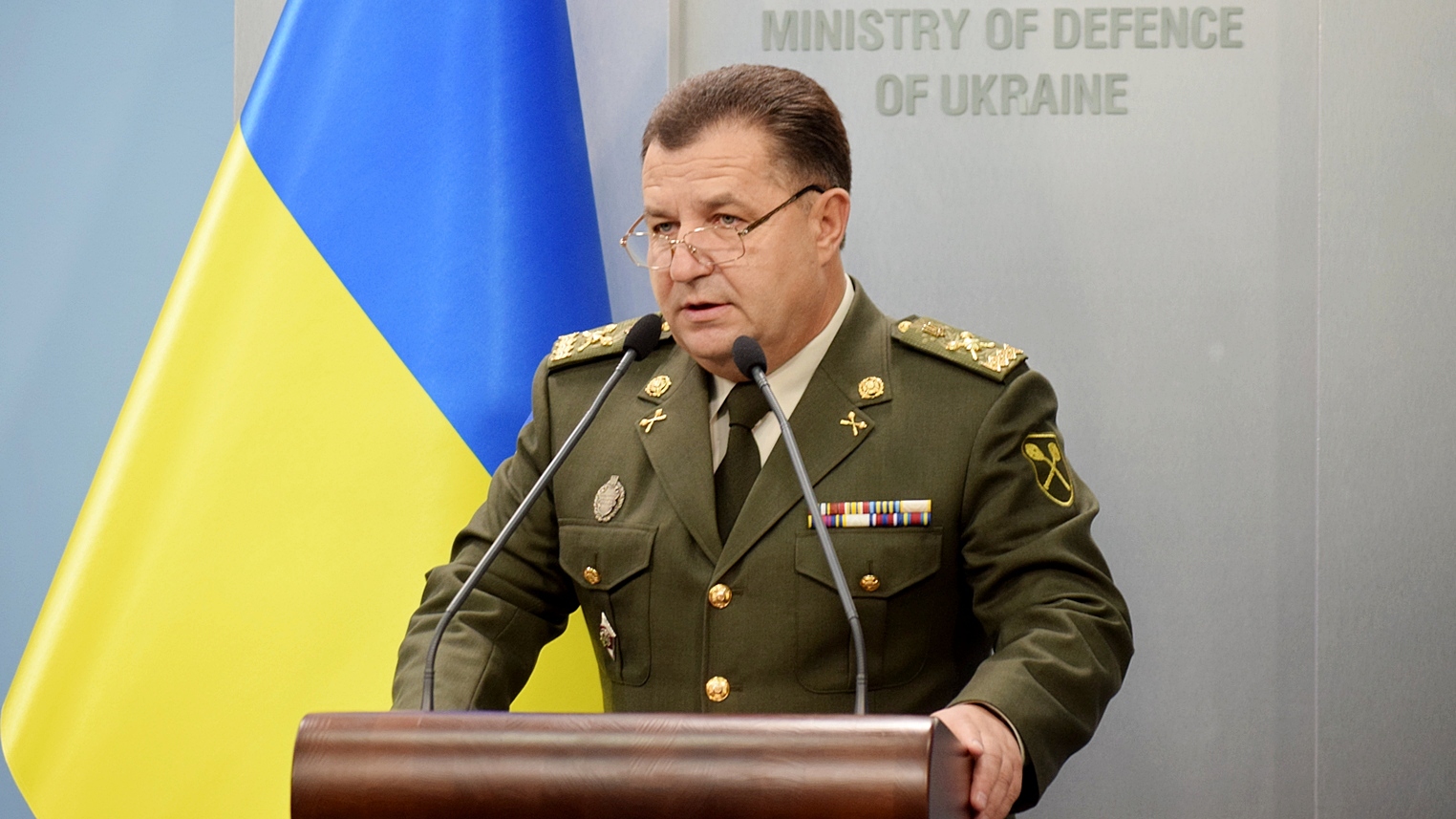
Stepan Poltorak headed the Defense Ministry from 2014 to 2019—including during the most difficult period of the war in Donbas. And although he had to help rebuild the army virtually from scratch, his tenure was marred by a series of catastrophic emergencies at military depots.
During his tenure, large-scale fires involving the detonation of ammunition occurred in Svatove (2015), Balakliya (2017, where thousands of metric tons of shells were destroyed), Kalinivka near Vinnytsia (2017), and Ichnia in Chernihiv Oblast (2018). Each time, the losses amounted to billions of hryvnias, and the evacuation of tens of thousands of people resembled a state of war.
The public and experts accused the leadership of the Ministry of Defense of criminal negligence. It was claimed that the depots were not properly guarded, and that some of the fires could have been the result of either acts of sabotage—which could not be prevented due to “ghost employees” in the security services—or, worse still, attempts to cover up corruption-related embezzlement and theft. The lack of actual convictions for high-ranking officials following these incidents left a sense of total impunity.
Yezhel’s “Housing Scandal” and Other Scandals
Admiral Mykhailo Yezhel headed the Ministry of Defense in Mykola Azarov’s government from 2010 to 2012. This period was marked by decisions that were disastrous for the country’s defense capabilities: in particular, the official was accused of deliberately undermining the Armed Forces of Ukraine. But the most high-profile personal scandal erupted over the minister’s own housing situation.
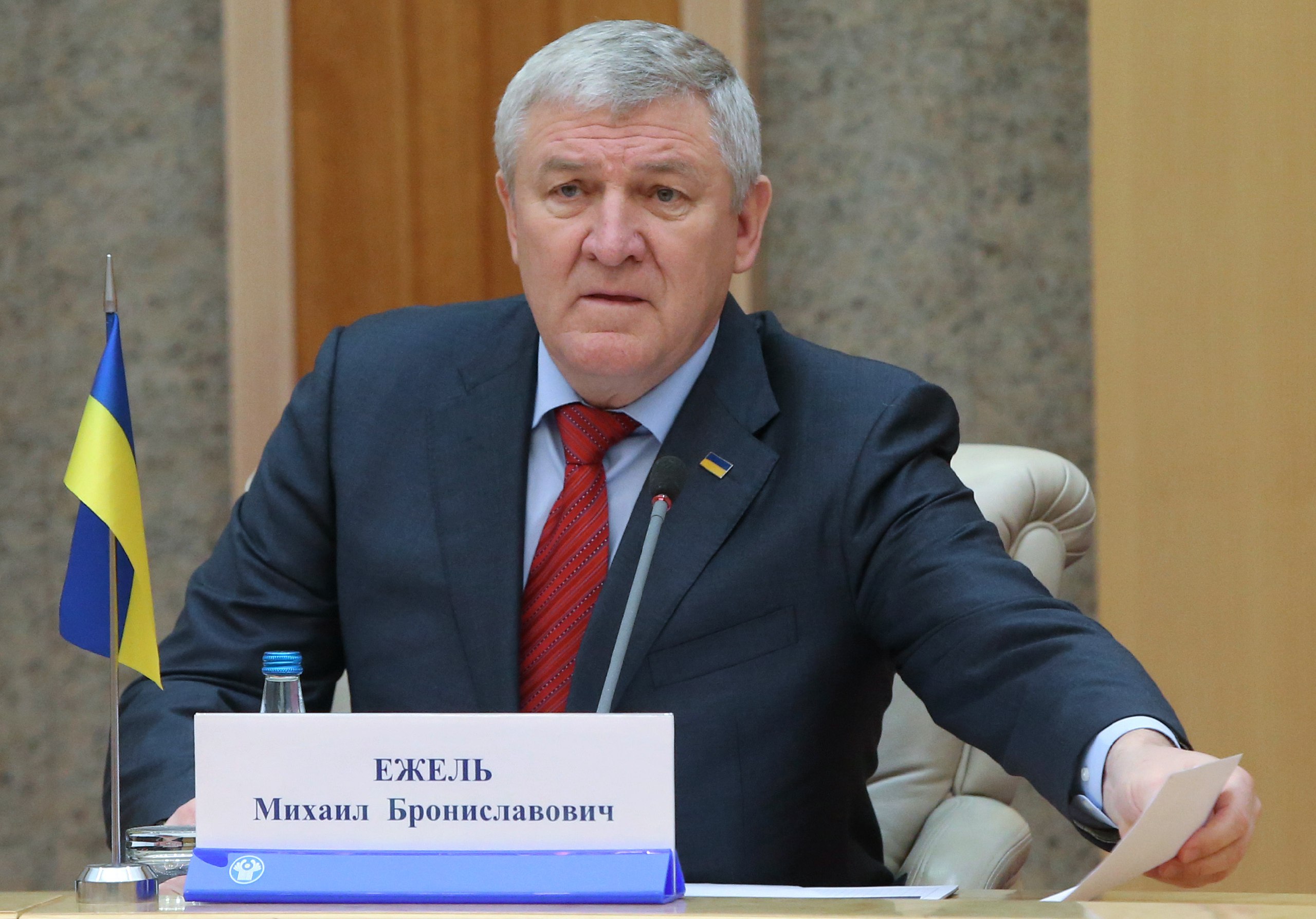
Journalists discovered that Yezhel had received a luxury apartment in downtown Kyiv from the state. The situation became particularly acute because it occurred against the backdrop of long-standing housing waiting lists for military personnel, who for decades had been unable to obtain their own square meters of living space—which, incidentally, Yezhel had personally promised them. The property was later transferred to relatives, raising further questions about the legality of its privatization.
As of now, Yezhel is in hiding in Belarus. A number of criminal cases have been opened against the former minister, the most serious of which involve treason and undermining the country’s defense capabilities. In 2022, the State Bureau of Investigation (DBR) notified Yezhel that he was suspected of treason. According to investigators, by agreeing to the signing of the Kharkiv Agreements in 2010, he knowingly aided Russia in increasing its military presence in Ukraine and the subsequent occupation of Crimea. In June 2025, the case was reopened—the State Bureau of Investigation once again announced that he was under suspicion.
And in 2014–2015, the Chief Military Prosecutor’s Office opened a case regarding the intentional undermining of the army’s defense capabilities. Yezhel was accused of abuse of power through the illegal alienation of property and the systematic destruction of the military’s logistical support system.


