
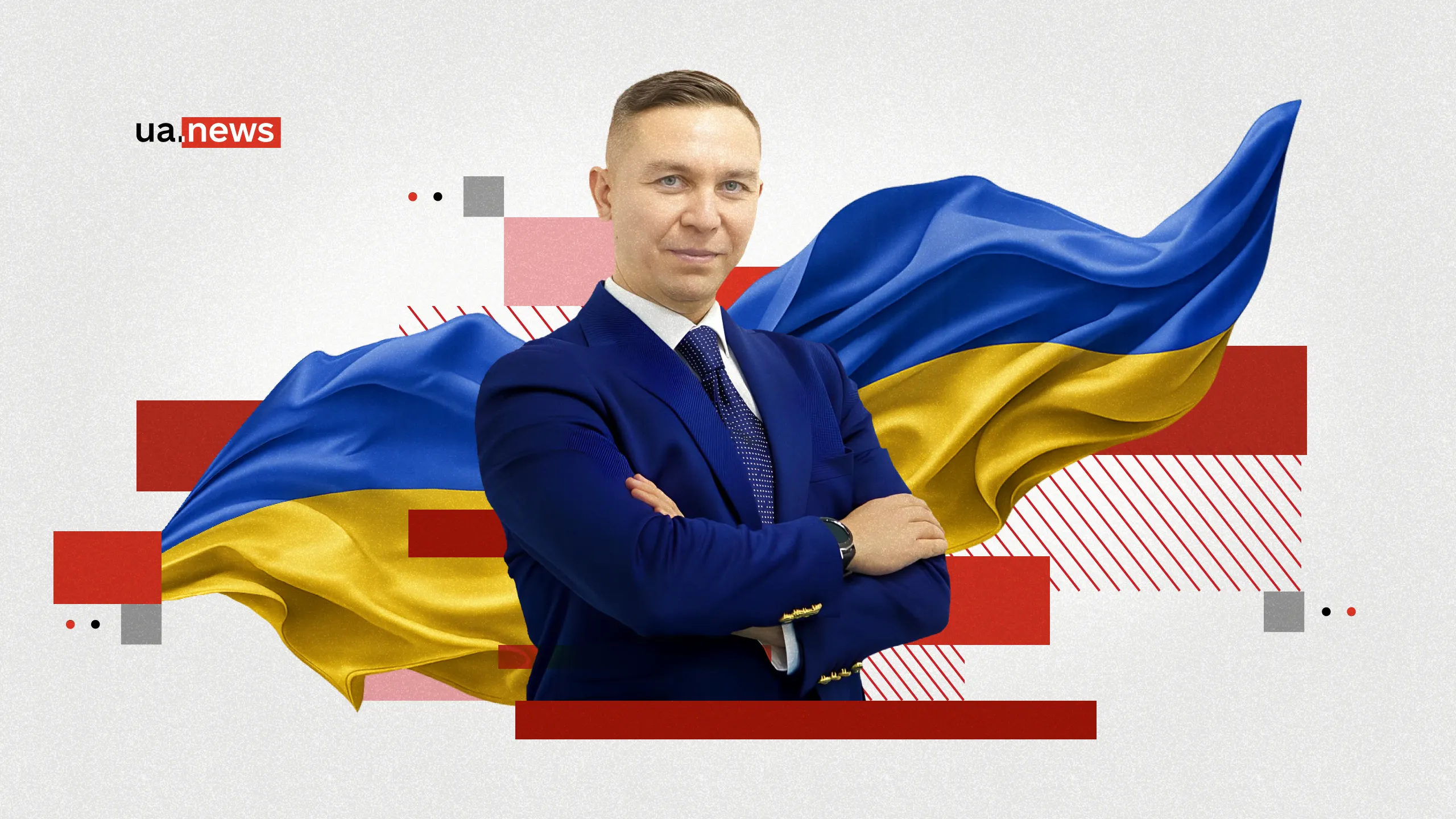
The war has transformed civil society organizations in Ukraine—from supporting structures, they have become one of the cornerstones of the state’s resilience and the protection of citizens’ rights. It is thanks to civic activists that Ukraine was able to quickly mobilize efforts to defend against Russian aggression while continuing its path toward the European Union.
UA.News spoke with Denys Shynkarenko—head of several civil society organizations and vice chair of the European Defense Association’s board.
You lead or represent several civil society organizations at the same time. How are their functions, funding sources, and spheres of influence distinguished?
Denys Shynkarenko: Each organization and project has its own sphere of activity, but they are united by a common idea—strengthening the state through a strong civil society, protecting citizens’ rights, and supporting Ukraine’s strategic development.
The NGO “Stop Illegal” works in the areas of public oversight, protecting citizens’ rights, combating illegal actions by officials and illegal business, and responding to socially dangerous phenomena.
The NGO “Investor Protection” focuses on issues of economic security, business protection, creating a predictable investment environment, increasing Ukraine’s investment attractiveness for foreign and domestic investors, and building trust in the Ukrainian economy.
The “Crisis Solutions Center” is a platform for rapid coordination between citizens, businesses, experts, and government institutions in complex crisis situations.
The “Community” project aims to create a registry of public servants, engage with society, identify those who violate human rights, the law, and moral and ethical norms, as well as uniting active citizens around the principles of accountability, mutual aid, and societal development. People who have suffered from the actions of civil servants can file a complaint, which must include evidence, to demonstrate to the public and the leadership of government agencies the performance of civil servants who are paid with taxpayer funds.
The European Defense Association is already a strategic-level initiative. This involves supporting the Ukrainian defense-industrial complex, developing international cooperation, integrating the Ukrainian defense sector into the European security space, and forming a modern defense ecosystem.
Regarding funding—we are convinced that the civil society sector must operate strictly within the law, with maximum transparency regarding funding sources and accountability to society.
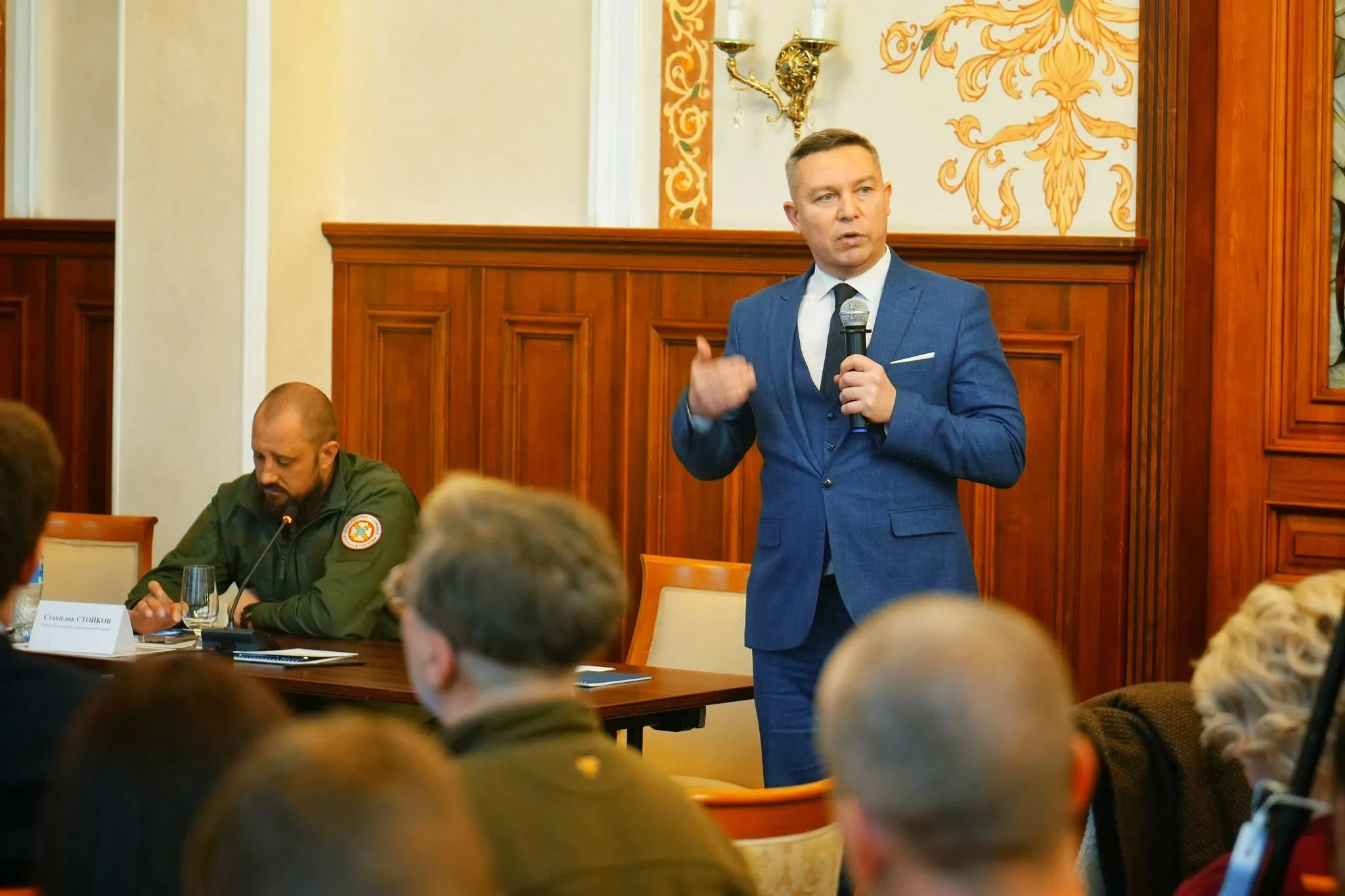
In your assessment, how have civil society organizations in Ukraine transformed in the fifth year of full-scale war? How strong has our civil society become?
Denys Shynkarenko: Ukrainian civil society has become one of the foundations of the state’s resilience during the war.
It was civil society organizations, volunteer movements, charitable initiatives, and responsible businesses that, in the early days of the full-scale invasion, often took on functions without which the country would not have been able to mobilize so quickly.
This is very important in the context of Ukraine’s movement toward the EU. European integration is not just about changes in legislation. It is also about fostering a culture of responsibility, transparency, self-organization, and citizen participation in nation-building.
Today, Ukrainian civil society is one of the strongest in Europe precisely because of the experience of war and the ability to mobilize quickly.
What can you say about the numerous scandals that arise from time to time surrounding civic and volunteer movements?
Denys Shynkarenko: During the war, public attention to the civil society sector has increased significantly. And that is absolutely normal.
Certainly, isolated negative incidents harm the sector’s reputation. But they cannot overshadow the contribution of tens of thousands of people who work every day for Ukraine’s victory.
In my opinion, we are currently going through a phase of natural cleansing and institutional maturation within the civil society sector. And it is precisely transparency, auditing, openness, and public accountability that will become the key standards for all organizations that want to earn the trust of society and international partners.
Are the civil society organizations you lead subject to audits? How do you ensure the transparency of their work?
Denys Shynkarenko: Transparency is no longer just a matter of reputation, but a matter of national trust and Ukraine’s international standing.
We operate within the framework of current legislation, conduct official activities, document processes, and prioritize open communication.
This is especially important now, as international partners are increasingly scrutinizing the institutional capacity of Ukrainian civil society.
How do you verify the information you receive from applicants before launching a public campaign or investigation?
Denys Shynkarenko: We try to verify information as thoroughly as possible through documents, facts, witness statements, and analysis of the circumstances.
In today’s environment, informational accountability is extremely important, as any mistake or unverified information can be used against both specific individuals and Ukraine as a whole.
This is especially relevant during wartime, when the information space is part of the security environment.
As for criticism—I believe it is an integral part of public activity. If a person is engaged in civic work, influences social processes, or raises complex issues—criticism will always follow.
The main thing is that it remains constructive and fact-based.
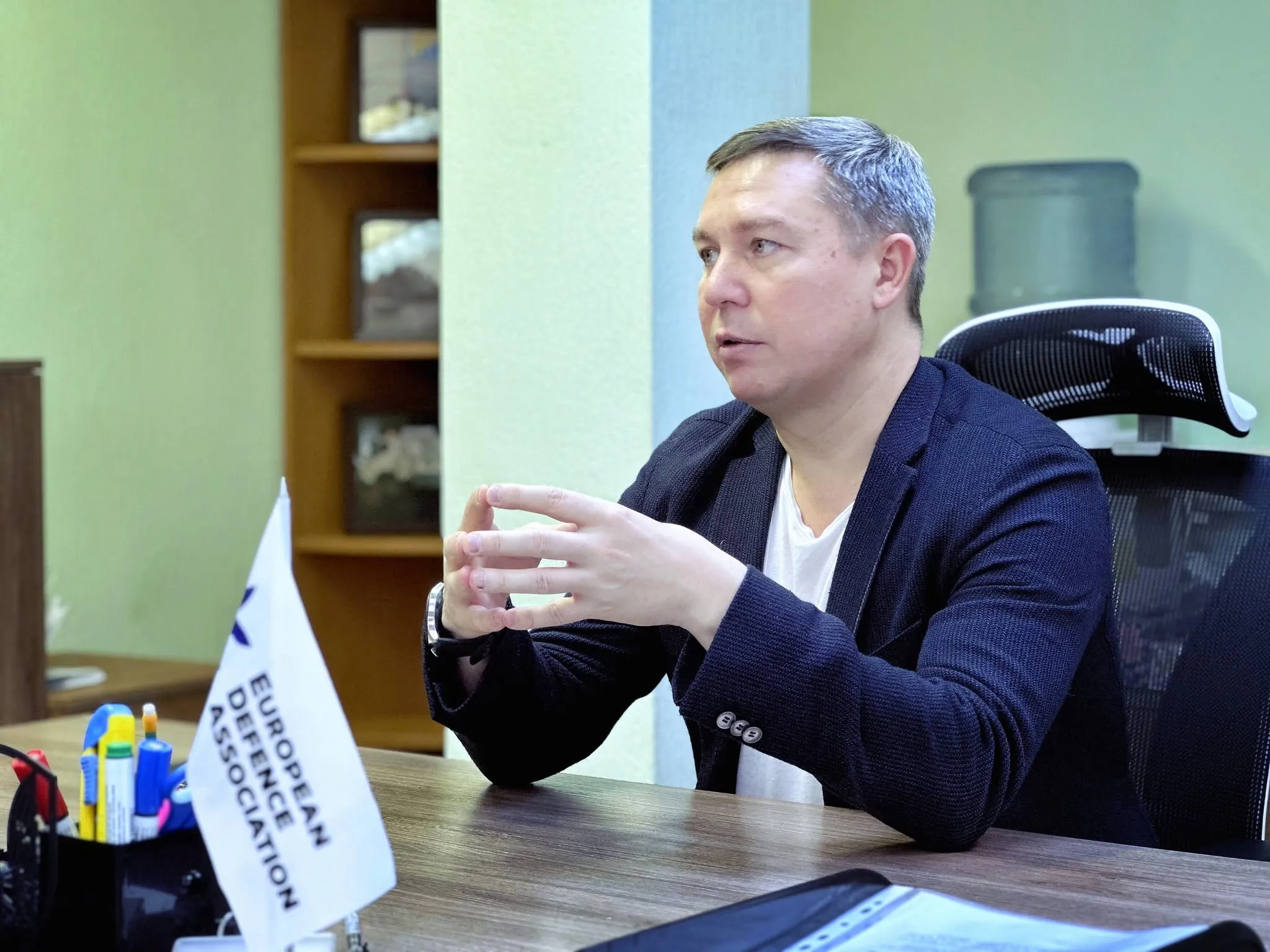
Speaking of the future development of civil society movements in Ukraine, to what extent will their transformation be aligned with the movement toward the EU?
Denys Shynkarenko: Ukraine is already undergoing a profound transformation of civil society in line with European standards.
This involves institutionalization, transparency, citizen participation in decision-making, oversight of the government, and the development of local communities.
I am convinced that Ukraine will not only integrate into the European space but will also become an example of a strong model of civil society for other countries.
In your opinion, to what extent can civil society organizations currently influence and change political processes in Ukraine?
Denys Shynkarenko: Today, civil society organizations have become a vital element of state resilience.
They influence the formation of the public agenda, participate in the development of decisions, assist the security and defense sector, work with international partners, and often serve as a public watchdog.
In the context of war, the role of civil society has only grown. And this is one of the key hallmarks of a democratic state moving toward the European Union.
But at the same time, it is important to maintain a balance so that the civil sector remains independent and does not become merely a political tool.
It is expected that more military personnel will enter mainstream politics. Could this trend intensify among civic activists and volunteers?
Denys Shynkarenko: Yes, and this is already happening.
Many of them enjoy a high level of public trust, and most importantly, an understanding of the state’s real needs during the war and the future recovery.
In my opinion, after victory, we will see a significant renewal of both the political environment and the civil society sector.
How do you assess the transition of public figures from civic activism to high-level politics?
Denys Shynkarenko: This is a natural process for a democratic state.
The civil society sector often serves as a breeding ground for new leaders who have practical experience in problem-solving, communicating with the public, and understanding people’s needs.
This is especially important now, as Ukraine is simultaneously navigating a war, state transformation, and the path toward the European Union.
A strong state is not just about strong government. It also involves a strong civil society, independent institutions, and active citizens who are ready to participate in the country’s development.


