
Why was the alarm sounded in Kyiv only after the explosions?
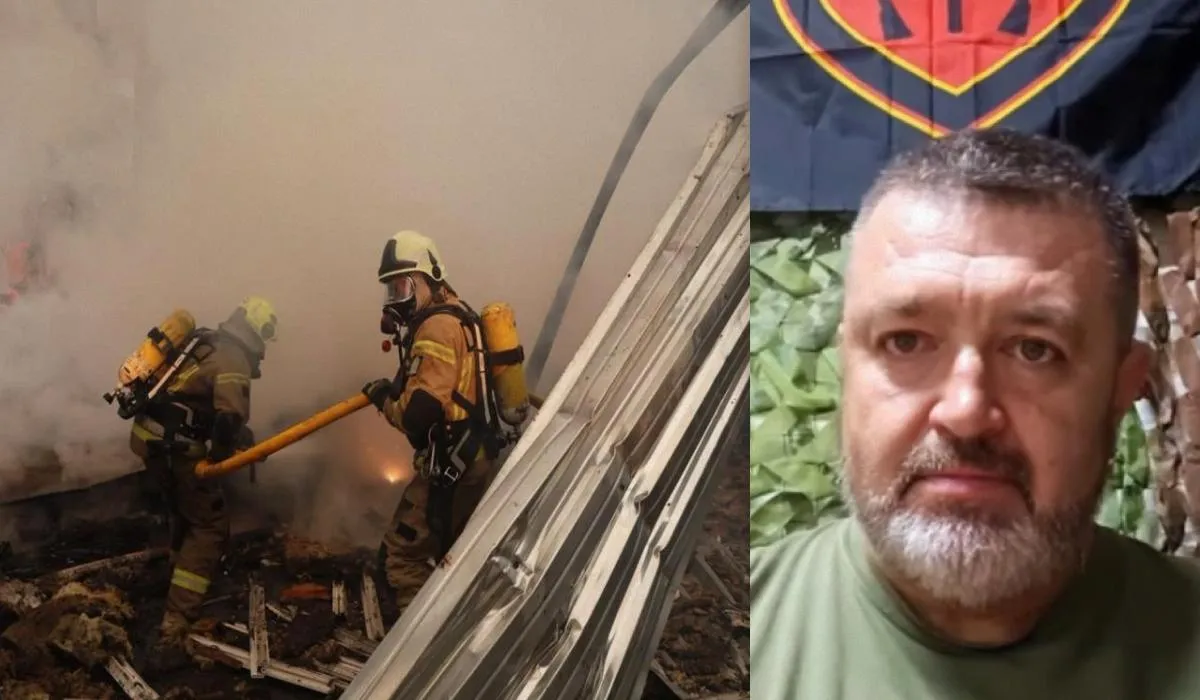
During the nighttime attack on Kyiv, the air raid siren sounded immediately after the first explosions. This was due to the extremely short flight time of the ballistic missiles, which Russian forces launched from a closer range.
Serhiy Bratchuk, a spokesperson for the Ukrainian Volunteer Army, explained that due to the speed of these missiles, air defense systems have very little time to detect and respond. According to him, Russia may have deployed additional launchers in the border areas of the Bryansk region, which allowed it to shorten the distance to the Ukrainian capital. “The enemy has now moved these launchers to the border areas of the Bryansk Oblast in the Russian Federation, which has reduced the flight time,” Bratchuk noted.
He added that ballistic missiles are more difficult to detect in the initial launch phase than cruise missiles. Because of this, Kyiv residents had less time to be warned of the danger this time. “Ballistic missiles are very difficult to detect—even more so than cruise missiles—at the start of their launch. Consequently, the air raid siren sounded only after the first explosions had already been heard in the capital,” the spokesperson said.
Bratchuk explained that one possible way to counter such attacks is to strike the launchers before they are used. “We’re talking about preemptive strikes—destroying those launchers located near the border of the Bryansk region,” he said.
According to the spokesperson, ballistic weapons travel at very high speeds, so the time from launch to impact can be less than three minutes. “The explosions and the air raid siren—that two-minute gap is what happened when all of this occurred,” Bratchuk added. He emphasized that it is precisely the short launch distance and high speed of ballistic missiles that create additional challenges for the air attack warning system. This was stated by Serhiy Bratchuk, a spokesperson for the Ukrainian Volunteer Army, during an appearance on the “Kyiv24” television channel.
On the night of July 11, Russian troops launched another strike on Kyiv.
In addition, Russian troops attacked Ukrnafta gas stations in the Dnipropetrovsk region for two nights in a row. Despite the damage, the company says it is doing everything possible to resume fuel distribution to residents of frontline regions as soon as possible.
On the night of July 11, Russian troops carried out a massive combined attack on Ukraine, using ballistic missiles, air-launched missiles, and over a hundred attack drones.


