
Escalation of blows to the economy of the Russian Federation: will the Kremlin be forced to negotiate
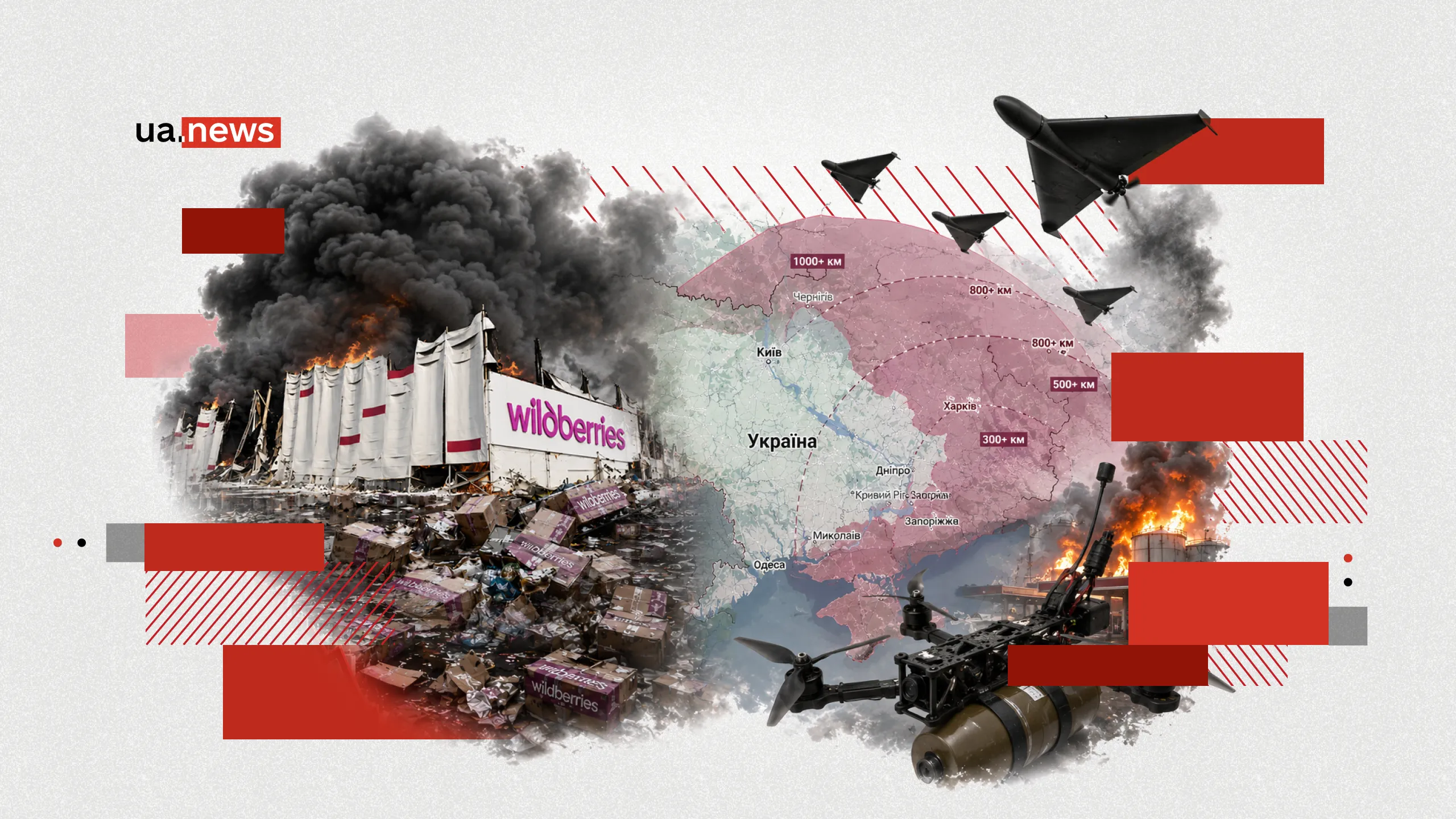
24 July 2026 19:30The war is increasingly spilling beyond the battlefield. Destroying the enemy’s economy is no less strategically important than military successes. While the Ukrainian Defense Forces are striking Russian oil refineries, logistics hubs, and Wildberries warehouses, the Kremlin is responding with strikes on Ukrainian enterprises, the energy sector, and transportation hubs.
Just how damaging are these strikes? Will economic attrition become the new decisive weapon in this war? And what do military analysts think about this new escalation? Find out in this UA.News report.
Ukraine is expanding its list of targets
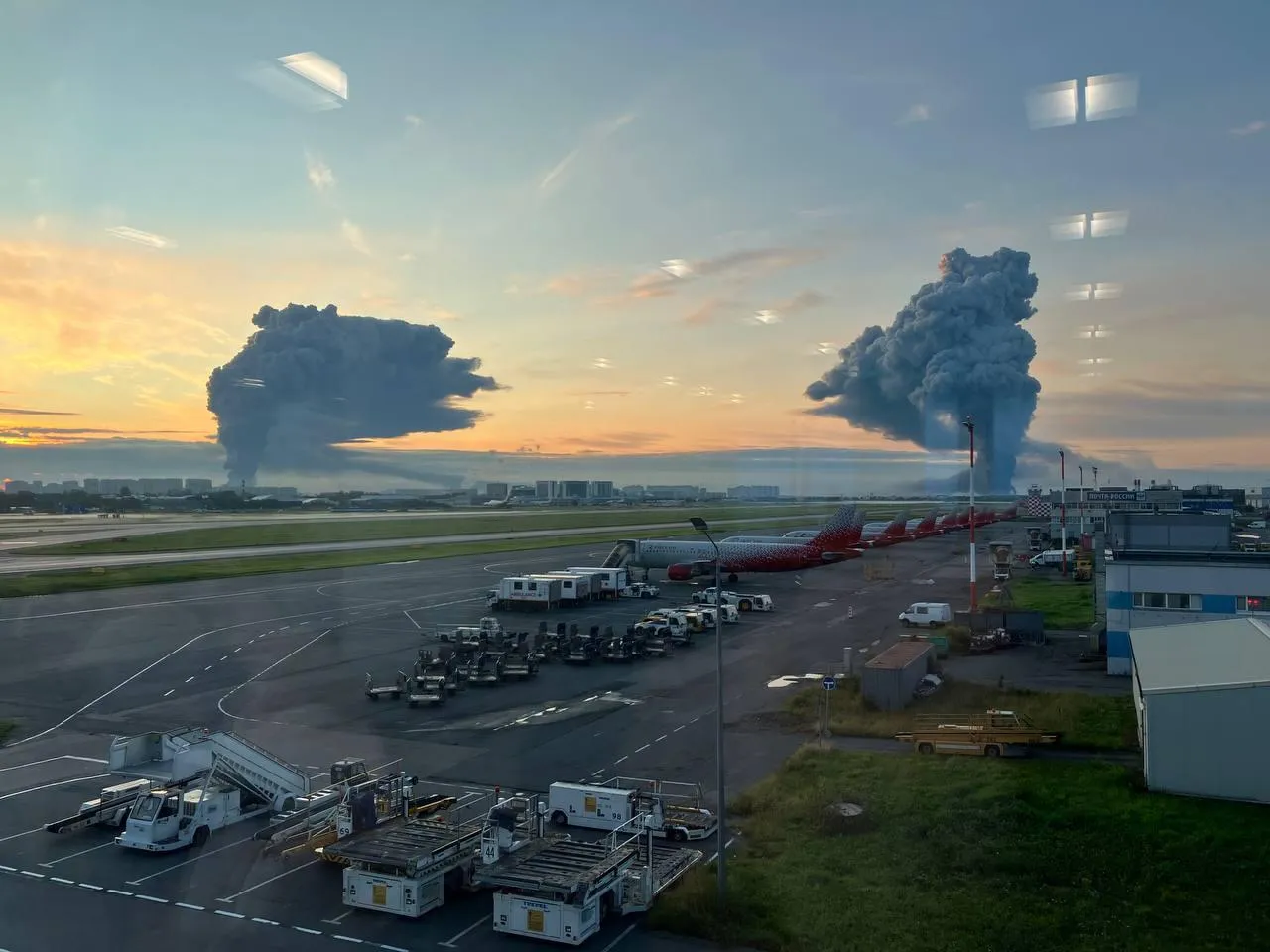
In 2026, our Defense Forces significantly increased their strikes against Russian oil refining facilities and their export logistics. In June and July, Ukrainian drones knocked out 8 of the 10 largest Russian oil refineries, with some of them being attacked multiple times.
The following facilities were targeted: “Gazprom Neftekhim Salavat” (Bashkortostan); “Kirishinefteorgsintez” (Leningrad Oblast); “Lukoil-Volgogradneftepererabotka” (Volgograd); “Lukoil-Nizhegorodnefteorgsintez” (Nizhny Novgorod Oblast); “Lukoil-Permnefteorgsintez” (Perm); the Moscow Oil Refinery; the Ryazan Oil Refinery; and “Yaroslavnefteorgsintez” (Yaroslavl).
All major oil refineries located in the European part of the Russian Federation suffered damage and fires, temporarily reducing or completely halting production. The Moscow Refinery suffered the most extensive damage; its restoration could be delayed until 2027.
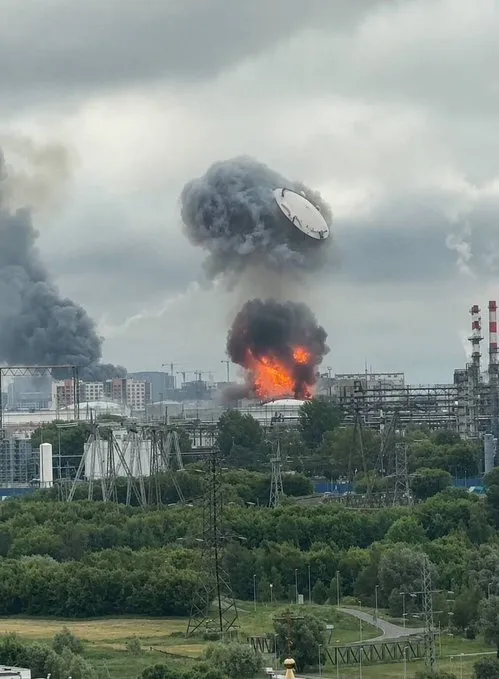
“Far-reaching sanctions” dealt a serious blow to the Kremlin regime’s main source of foreign exchange revenue. Total losses in Russia’s oil and gas sector exceeded $13.5 billion, and the capacity taken out of service reached 45 million metric tons per year.
The attacks triggered an unprecedented fuel shortage for Russians, as well as the highest prices in the last two decades. Dozens of regions in the Russian Federation have restricted gasoline sales, including the Khanty-Mansi Autonomous Okrug, where nearly 40% of Russia’s oil is produced.
Another key sector of the aggressor country’s economy—maritime exports—has also been
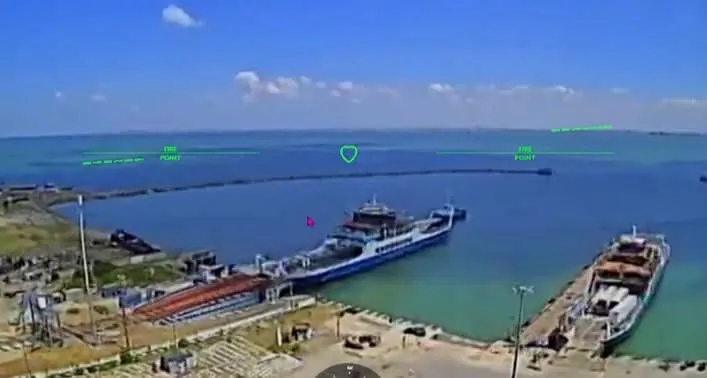
hit. The Security Service of Ukraine (SBU) and the Unmanned Systems Forces (SBS) are conducting a large-scale campaign in the Black and Azov Seas against Russian logistics and “shadow fleet” vessels, blocking ports and crossings.
Navigation through the Kerch Strait has become significantly more difficult, and grain shipments via the Don River have come to a halt. This route facilitates trade with countries in the Middle East and Turkey, which are the largest buyers of Russian grain and account for nearly one-fifth of its export volume.
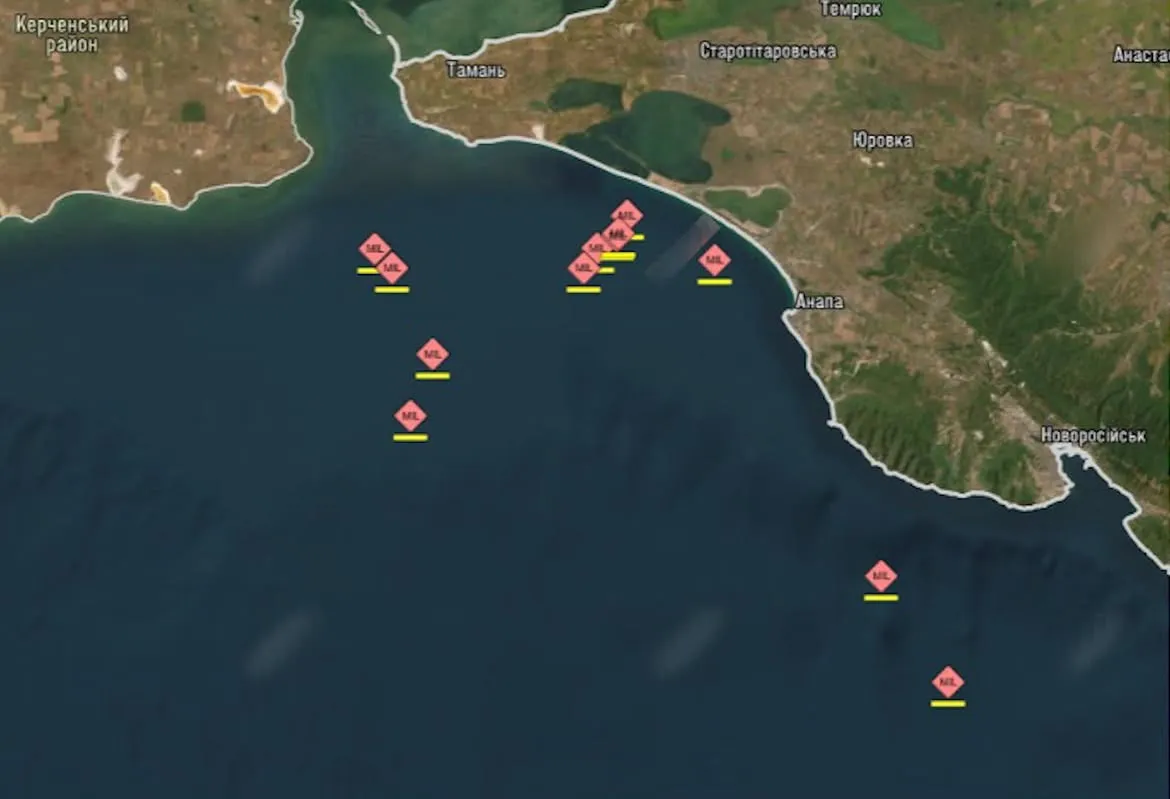
Due to the blockade of the Azov Sea, Russian grain exports have plummeted to their lowest level in the past ten years. In July alone, Russian exporters will be able to ship a total of just 1.5 million metric tons of wheat abroad, which is one-third less than in July of last year.
In addition to regular strikes on oil refineries and tankers of Russia’s “shadow fleet” in the Black and Azov Seas, the Defense Forces have turned their attention to another vital artery of the Russian economy—online commerce—and have also begun attacking it.
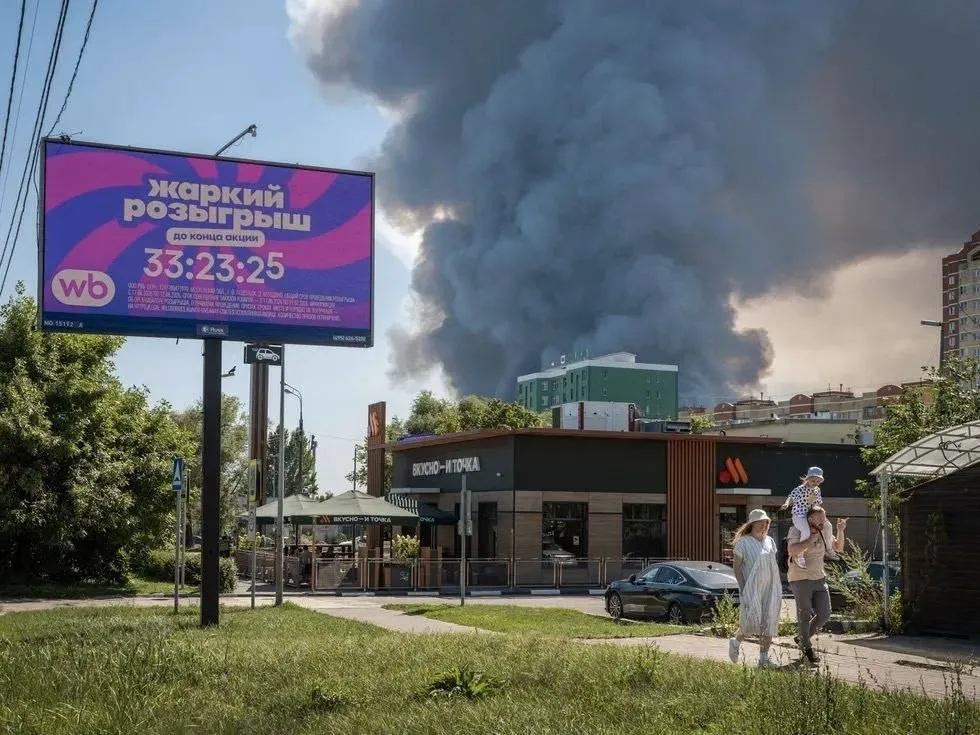
A
new series of strikes targeted the logistics network of Wildberries, Russia’s largest marketplace, which plays a central role in the country’s consumer economy. The network’s annual turnover exceeds 4.1 trillion rubles, accounting for more than 2% of Russia’s GDP. In fact, roughly one in every 50 rubles in the Russian economy passes through the platform.
Together with smaller competitors, Wildberries and Ozon sell goods and services worth the equivalent of 8.5% of Russia’s GDP and provide 4 million jobs.
Wildberries’ logistics complexes are also integrated into the military-industrial complex. They are linked to the supply of sanctioned components for the production of drones and navigation equipment. The platform openly sells goods intended for use in both the civilian sector and on the front lines: radios, antennas, batteries, fiber-optic cables, electronic circuit boards, cameras, thermal imaging equipment, and navigation modules.

Ukrainian drones have already attacked at least five such logistics hubs in the following cities: Elektrostal (Moscow Oblast), Kotovsk (Tambov Oblast), Krasnodar-Nevinomyssk (Stavropol Krai), St. Petersburg (the “Shushary” complex), and the “Utkina Zavod” logistics park.
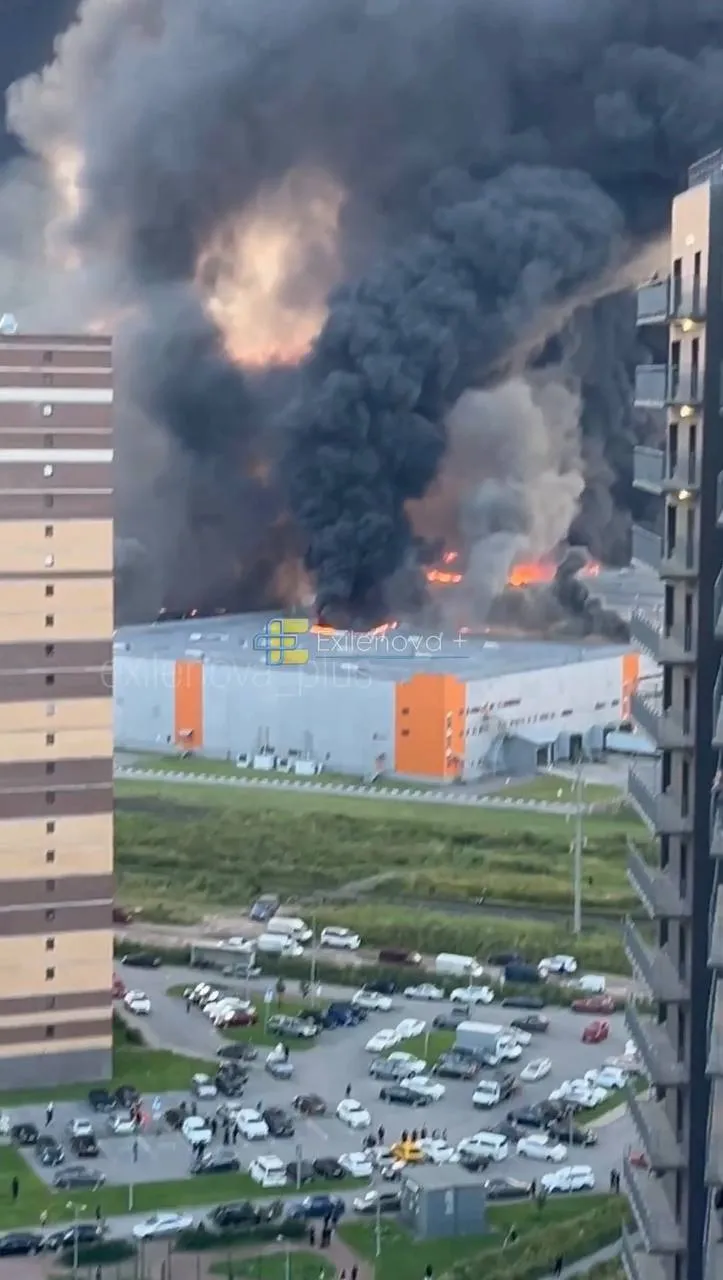
After
just the first strikes in Krasnodar and Nevinomyssk, the combined losses for Wildberries and the sellers using its platform were estimated at over 100 billion rubles, or about $1.3 billion. Although in monetary terms these losses are not as massive as those following the attacks on oil refineries, the number of bankruptcies among Russian small and medium-sized businesses will increase, and tax revenues to fund the war will decline.
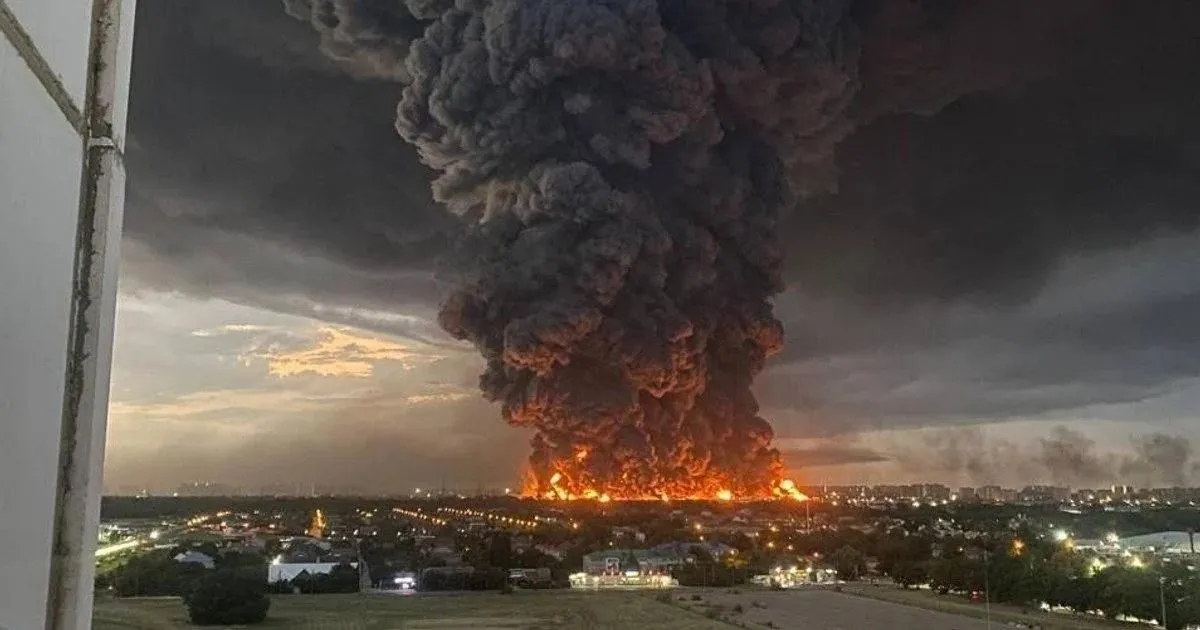
Nor should we overlook the fact that the burning warehouses are affecting the general mood of Russians and their realization that the war directly affects them. The fact is that over the past two years, stores have been closing en masse due to the economic downturn in Russia. Retail has almost entirely shifted to online platforms.
Regular strikes on marketplace warehouses that sell dual-use and military goods are causing disruptions in the supply of all kinds of goods and, in general, call into question the stable functioning of commerce in Russia. And while each individual strike is unlikely to bring down the Russian economy, a systematic campaign of such strikes will gradually deplete the enemy’s resources.
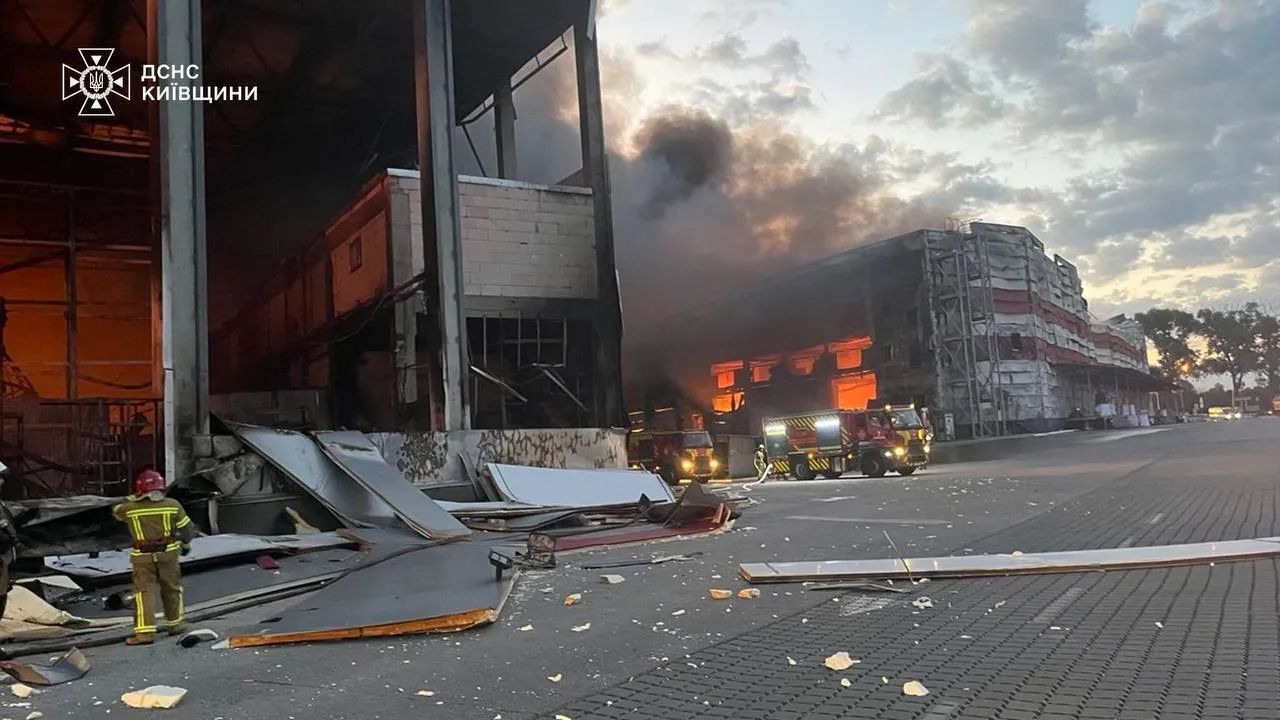
Russia Plans Even More Strikes
From the very beginning of the full-scale invasion, the Russian command has aimed to destroy not only military targets but also Ukraine’s economic potential. Warehouses of large companies, shopping centers, agricultural infrastructure, major manufacturing facilities, and energy enterprises have come under attack just as much as other civilian targets.
For example, during the war, the Russians have shelled “Nova Poshta” branches and sorting terminals more than 70 times in various regions of Ukraine, most frequently in the eastern regions. Last year, the company’s facilities were attacked every month, mostly with FPV drones or missiles.
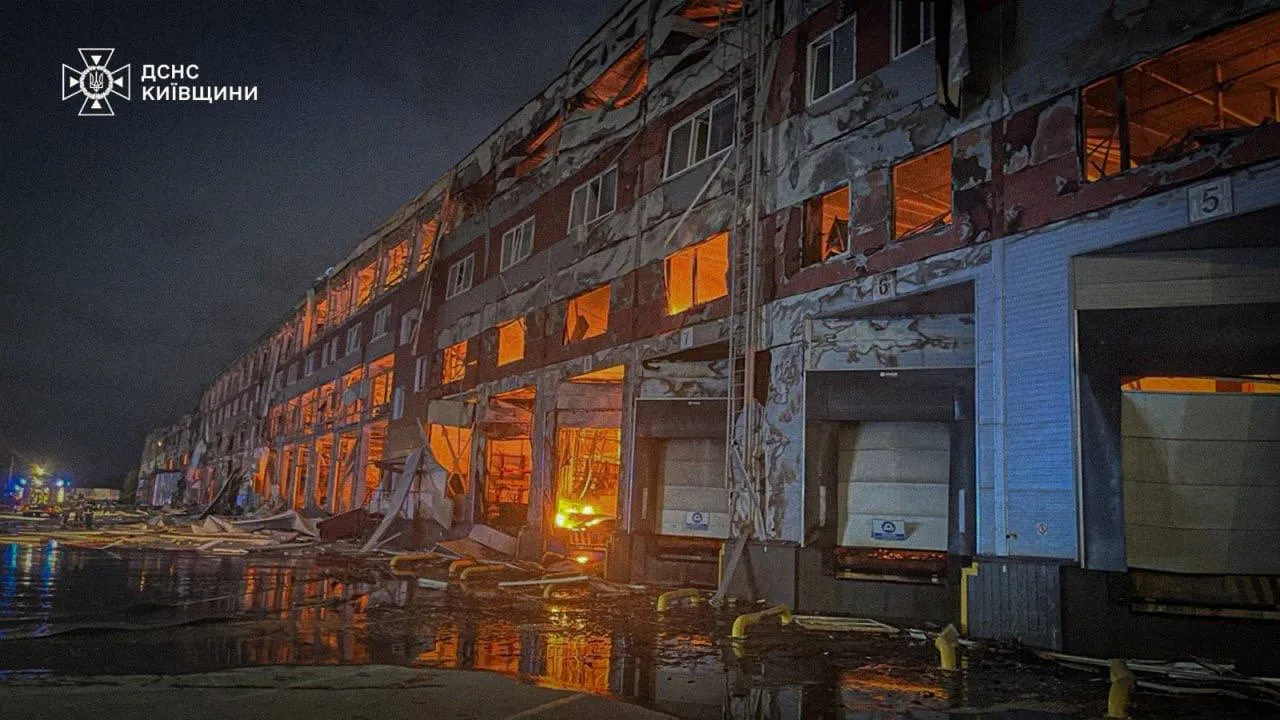
In
particular, as a result of massive missile strikes on the Kyiv region on a single day—July 19—warehouses in the Bucha district and a logistics center in the village of Bilohorodka were destroyed. Several well-known companies immediately reported the destruction of their facilities. Then, on July 23, a Russian strike hit a production complex and warehouses belonging to a snack manufacturer in Pavlohrad, Dnipropetrovsk Oblast.
Daily Russian shelling continues to destroy finished products, raw materials, and the warehouse networks of Ukrainian businesses. Many manufacturers are forced to diversify their logistics reserves and constantly reroute their shipments.
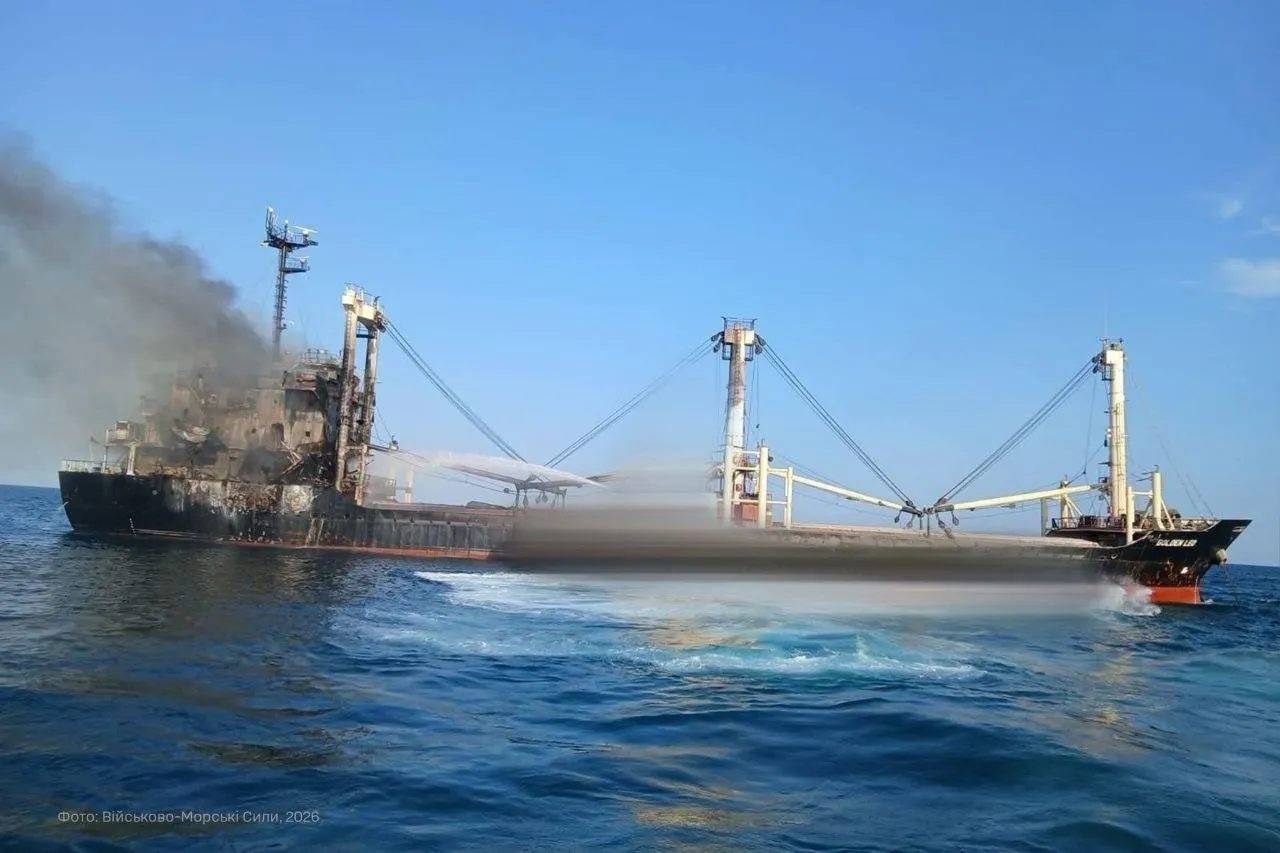
This summer, the Russians are stepping up their efforts to block Ukraine’s maritime grain exports. They are intensifying attacks on Ukrainian ports and civilian vessels that call at them to load and unload cargo. In the first weeks of July, the Russian military struck port infrastructure 23 times and attacked civilian vessels 17 times.
In total, since the start of the full-scale war, more than 1,000 port infrastructure facilities and over 220 vessels have been damaged, and 283 civilians have been injured.
These are significant problems for the economy, given that nearly 90% of Ukraine’s exports are shipped by sea. The escalation in the Black Sea has led to a decline in grain purchase prices and forced Ukrainian traders to urgently change their logistics.
Enemy attacks on economically vital facilities, logistics hubs, and industrial infrastructure may intensify. Presidential adviser Serhiy “Flash” Bezkrestnov has already warned of a new threat posed by modified, online-controlled “Shahed” drones. According to him, within their range, such drones can attack both moving and stationary targets.
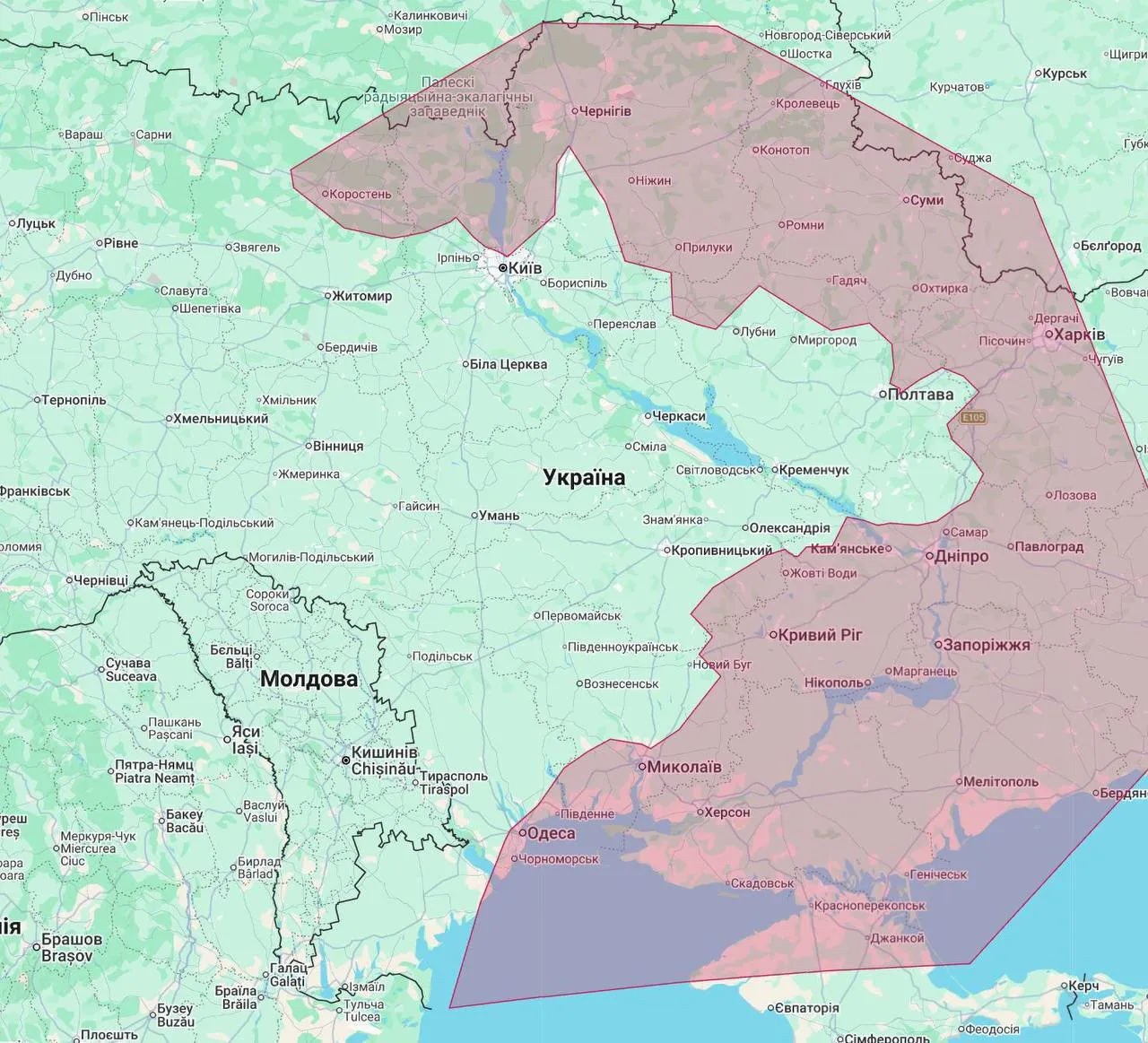
“Currently, these ‘Shaheds’ have limitations on their control range due to the nature of the technology. Everything marked as a red zone falls within the potential attack range of the online-controlled ‘Shaheds.’ Within this zone, the ‘Shahed’ can attack both moving and stationary targets,” he told “Flash.”
He urged owners of warehouses, gas stations, and businesses located in the risk zone to be prepared for strikes, respond to air raid alerts, and ensure shelter for their staff.
What Lies Behind the Escalation of Mutual Strikes — An Expert’s
Opinion
This is an extension of the front line, but in a different—economic—dimension, explains military analyst Dmytro Snegirev. He notes the beginning of a new escalation in the war of attrition.

“The current stage of the war can be characterized by Donald Trump’s words behind the scenes of his meeting with Volodymyr Zelenskyy during the NATO summit: ‘Maximizing the intensity of strikes against the Russian Federation to force the Russians to the negotiating table.’ It is precisely after this that the active phase of the Ukrainian Defense Forces’ operation begins, with the support of our strategic partners. This involves providing intelligence and weapons for strikes against Russian port infrastructure in the Sea of Azov,” Snegirev points out. — “This involves the Russian Federation’s main transshipment hubs for the export of agricultural products, coal, mineral fertilizers, and heavy metallurgy products. But the main focus is on agricultural products and mineral fertilizers. These account for up to 30% of Russian exports. Consequently, Russia has been faced with the reality that it is being pushed out of global markets—primarily for food and mineral fertilizers... And when combined with strikes on oil refineries, this puts enormous pressure on its economy.”
As for the series of strikes on Wildberries warehouses, Ukraine is primarily disrupting the logistics of the Russian army’s material and technical support, the analyst emphasizes.
“This has dealt a serious blow to the Russian occupation army. The Russians acknowledge that the destruction of these warehouses—up to 20% of which were hit—has significantly impacted their ability to deploy FPV drones and fiber-optic-controlled drones. But most importantly, 1 million Russians are registered on these marketplaces. This is, in fact, a powerful message to small and medium-sized businesses. It creates an element of social tension in Russia.”




