
The SBU has documented new instances of the Russian Federation's use of depleted uranium munitions
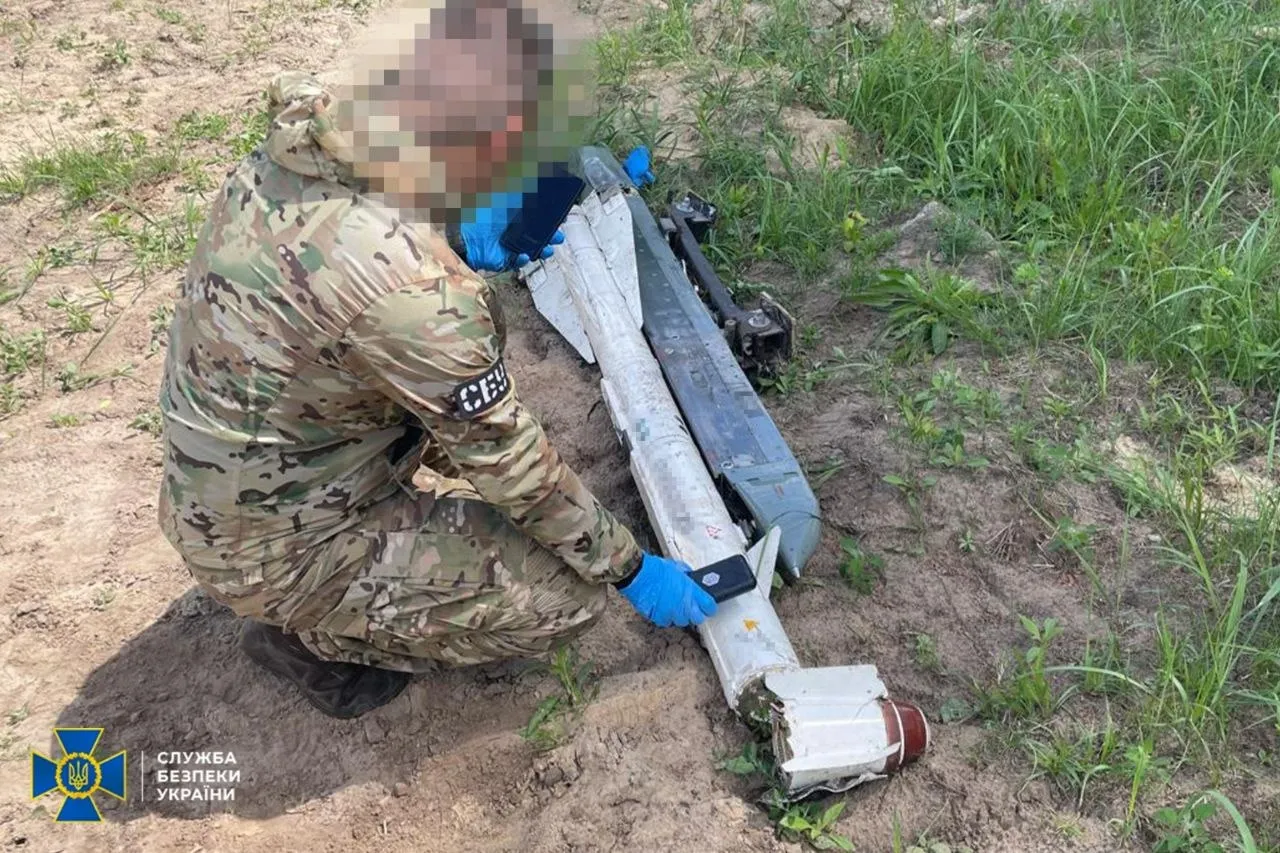
Counterintelligence and investigators from the Security Service of Ukraine have documented new evidence of Russian troops’ use of depleted uranium munitions. During inspections, experts recorded levels of natural background radiation that were 80 times higher than normal in certain areas.
Hazardous components were detected in “Geran-2” strike drones, which the occupiers used to attack the Chernihiv region between April and June 2026. As the investigation revealed, the enemy is using radioactive elements in R-60M missiles, which it has adapted for use on its UAVs.
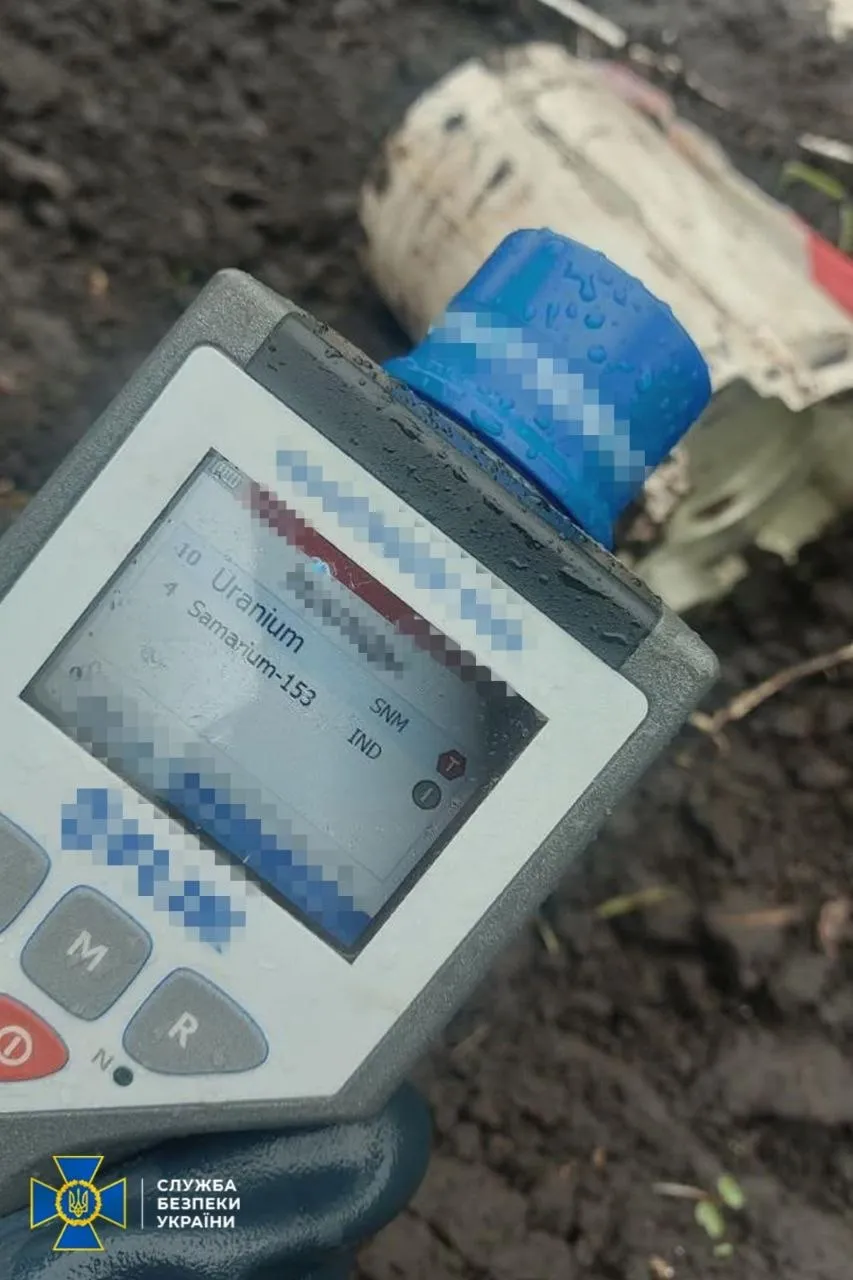
During an inspection of the impact sites of Russian UAVs and a radiological survey of their warheads, the investigative team and State Emergency Service specialists recorded radiation levels 80 times higher than the natural background radiation. At the same time, the gamma radiation levels of individual fragments of enemy drones ranged from 8.3 to 24 μSv/h, compared to the permissible health standard of 0.3 μSv/h.
The Security Service of Ukraine (SBU) explained that such radiation levels pose a direct threat to human health and the environment.
The results of the examination established that the warheads of these missiles contain nuclear material identified as Uranium-235 and Uranium-238. The presence of radioactive components was confirmed using dosimetric equipment and a mobile automated radiological detection system. After the dangerous munitions were detected and examined, comprehensive measures were taken to neutralize them and ensure the safety of citizens.
Based on these findings, SBU investigators opened a criminal case under Article 438 of the Criminal Code of Ukraine (war crimes).
“The Security Service once again urges citizens to exercise caution if they discover debris from UAVs, missiles, or other munitions. Under no circumstances should you approach, touch, or move such objects. Move to a safe distance and immediately report the dangerous find by calling the following hotlines: SBU – 1516, State Emergency Service – 101, or National Police – 102,” the statement reads.
As a reminder, the Russians struck a food processing plant in Pavlohrad.
Losses incurred by Russian retailers from the July 22 drone attacks on Wildberries warehouses in Krasnodar and Nevinnomyssk could amount to approximately 100–120 billion rubles (1.27–1.53 billion U.S. dollars), assuming the warehouses were fully stocked and most of the goods were destroyed.
On the night of July 18, Ukrainian UAVs attacked the Russian Wildberries logistics center in Elektrostal, near Moscow, and in the Tomsk region.


